For most of the last decade, I assumed the direction of my life had a natural progression. I am a farmer, and although the details were sometimes hazy, having my own farm one day seemed like the ideal destination. I spent years building the skills I thought I would need: vegetable production, irrigation, hoophouses, equipment, crop planning, organic certification, recordkeeping, marketing, grants, and all the less glamorous systems that keep a small farm functioning.
There is a line from Wendell Berry’s The Unsettling of America that has stuck with me for years:
“No farther. This is the place.”
I’ve always found that idea deeply appealing: to stop looking perpetually over the horizon, choose a place, learn it deeply, take responsibility for it, and build a life there.
And right now I’m doing almost exactly the opposite.
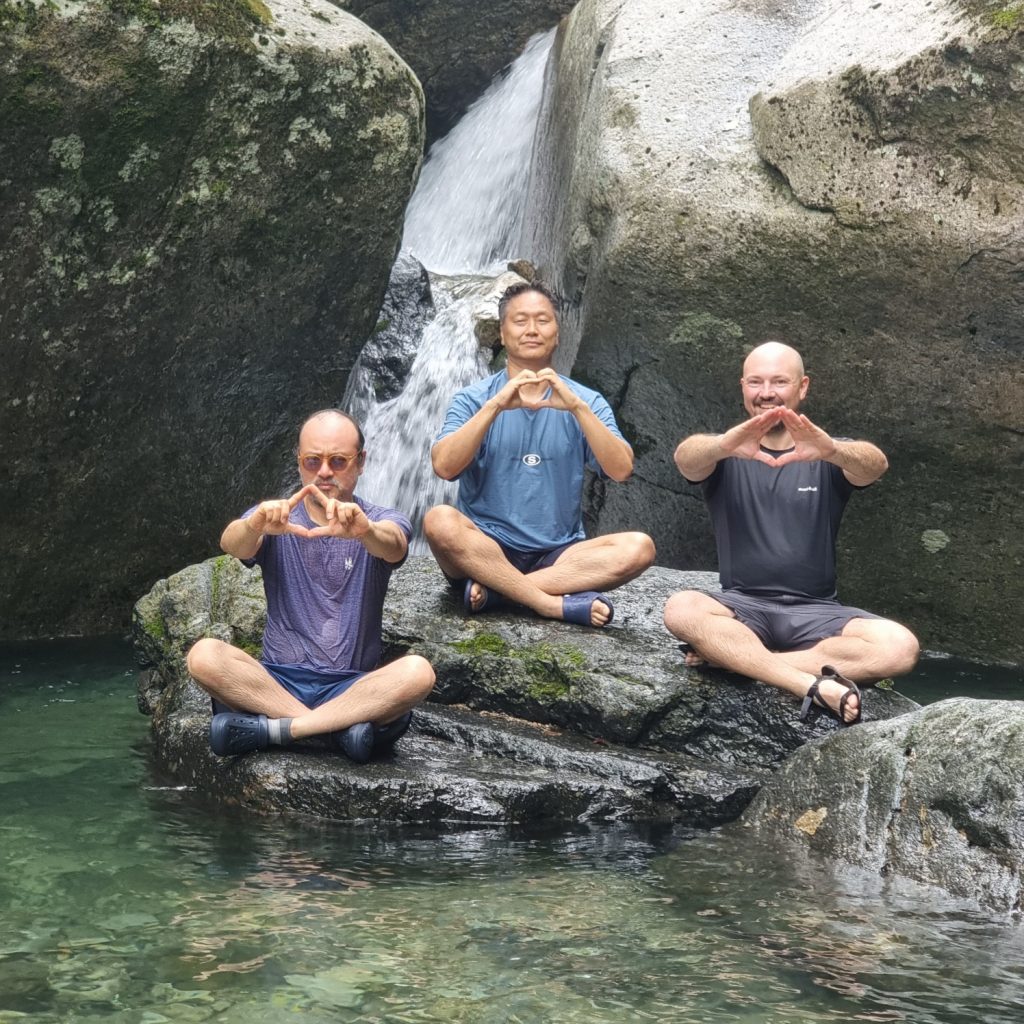
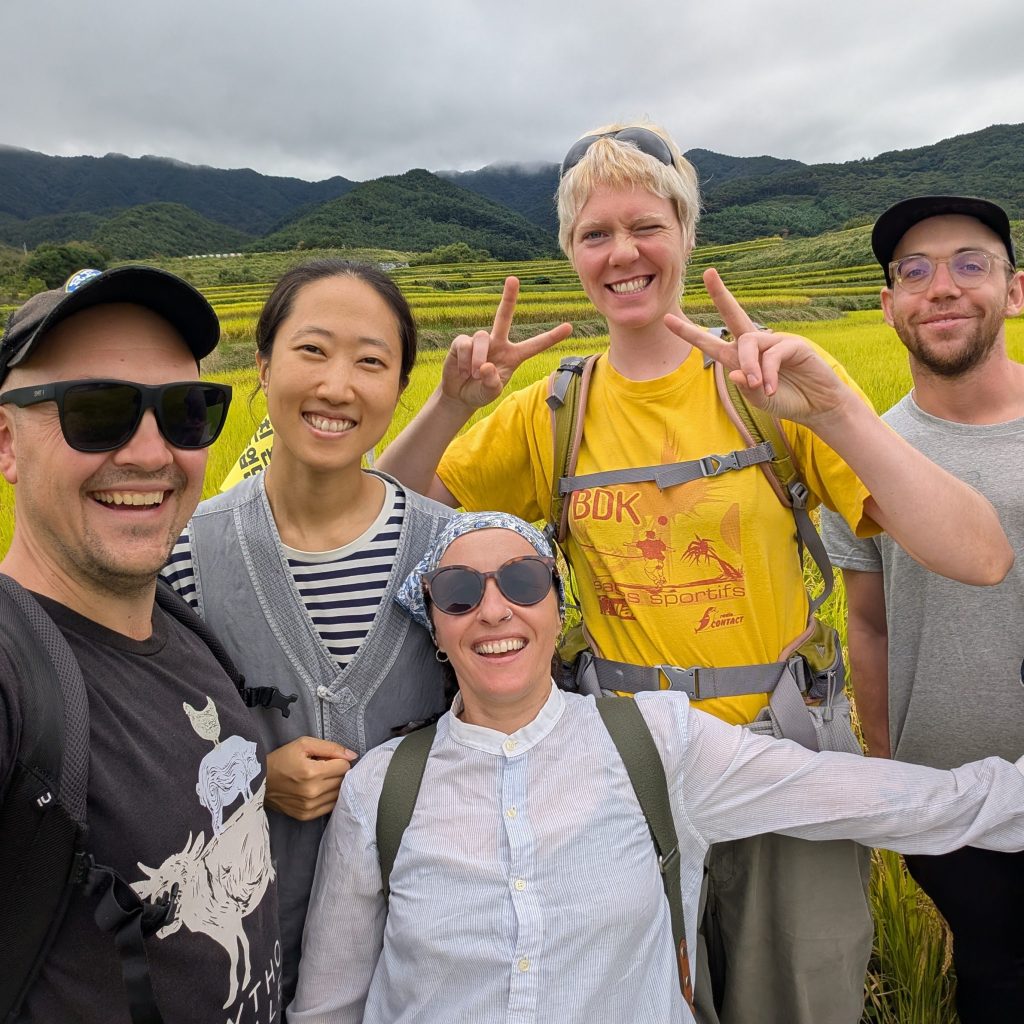
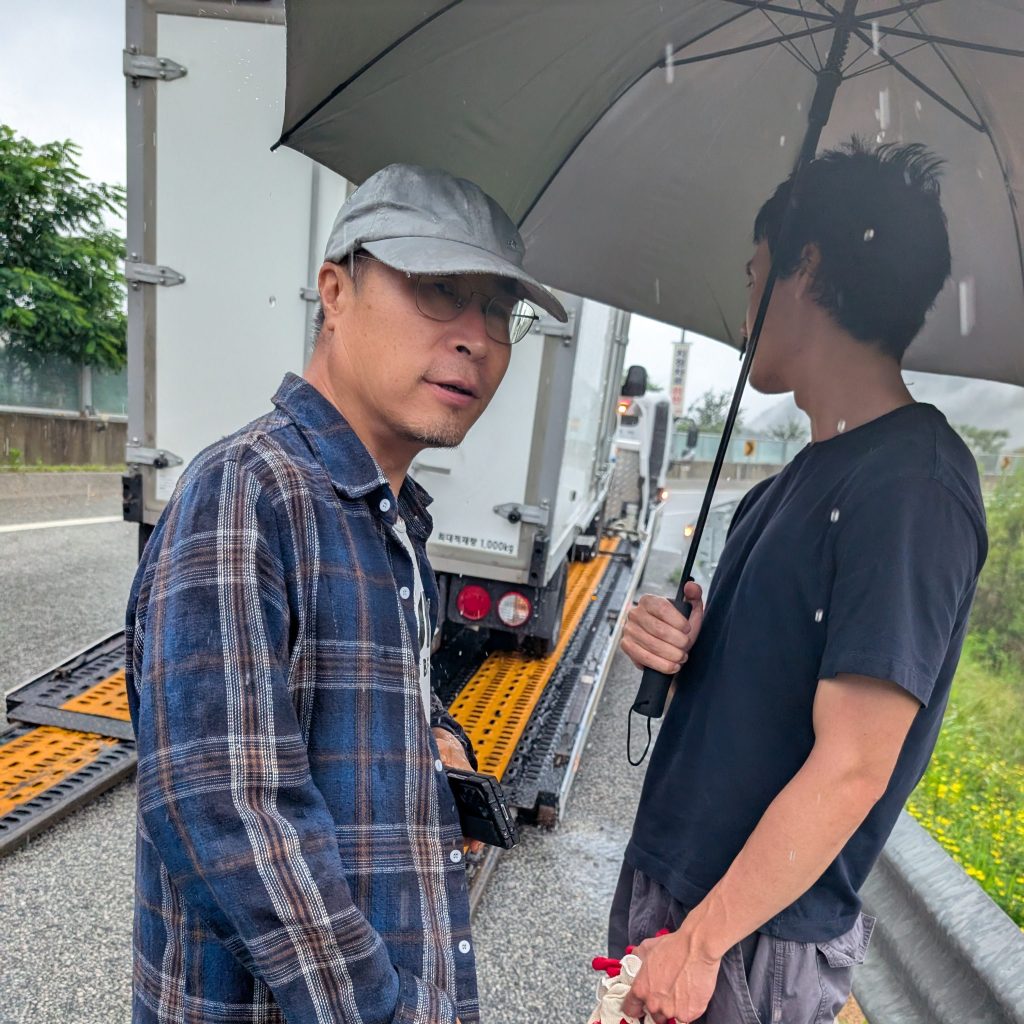
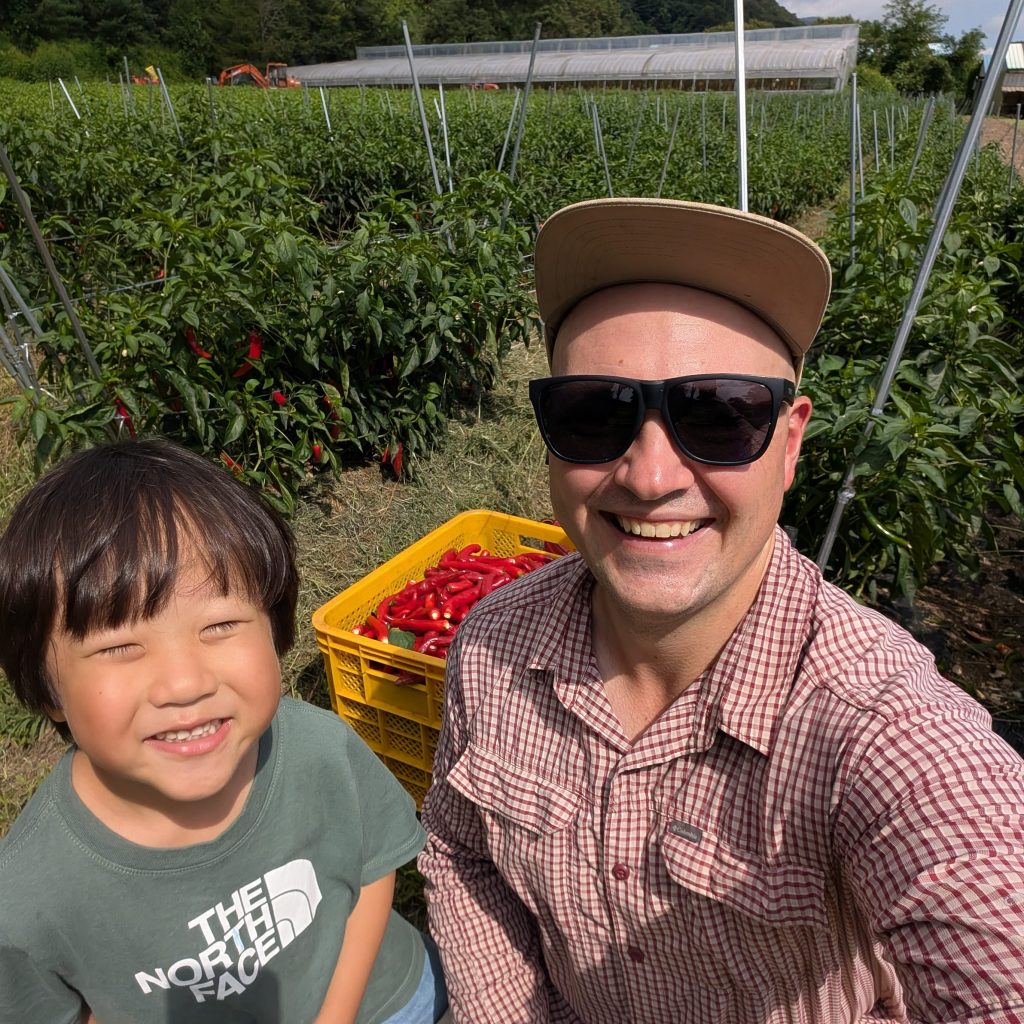
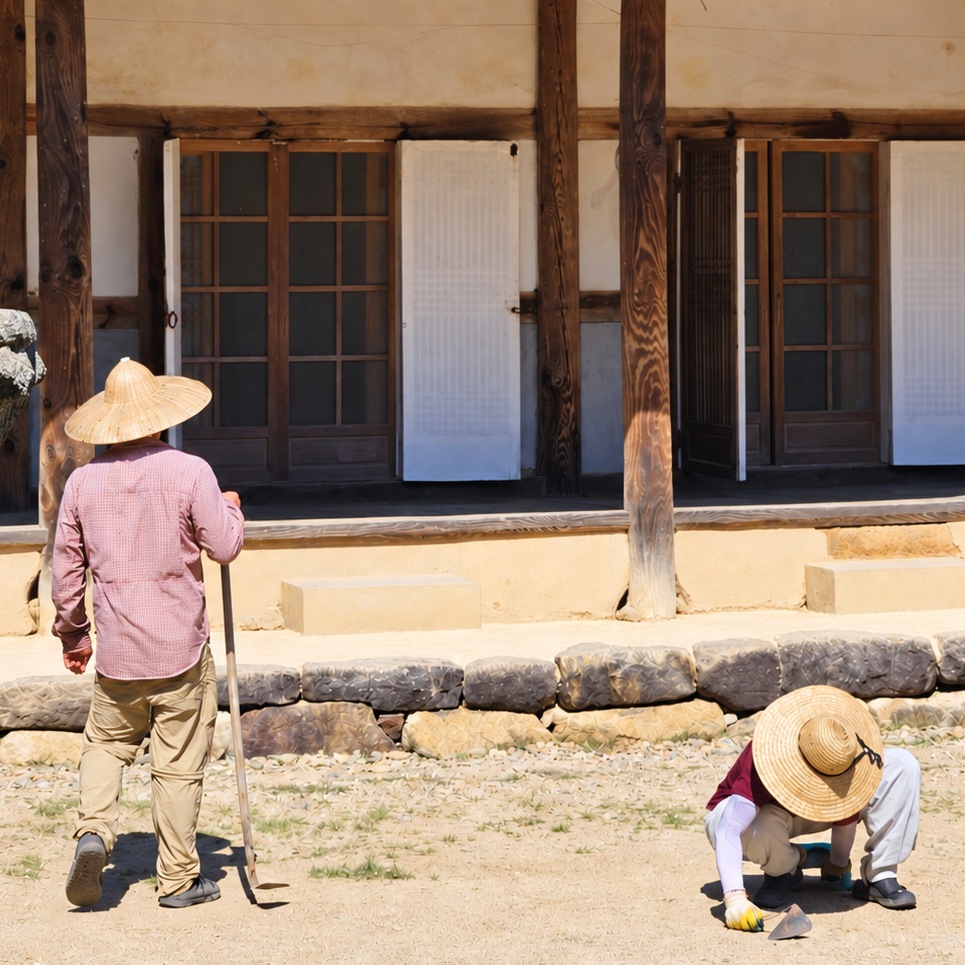
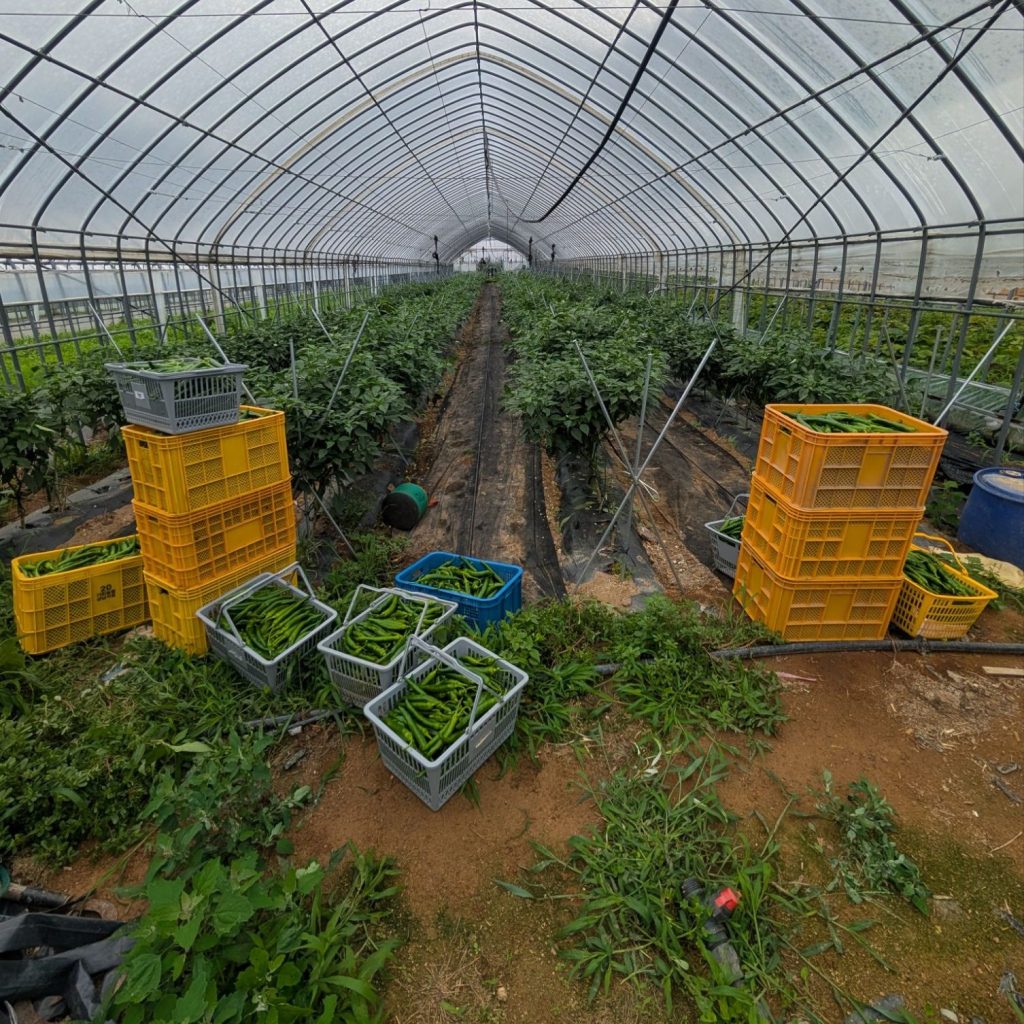
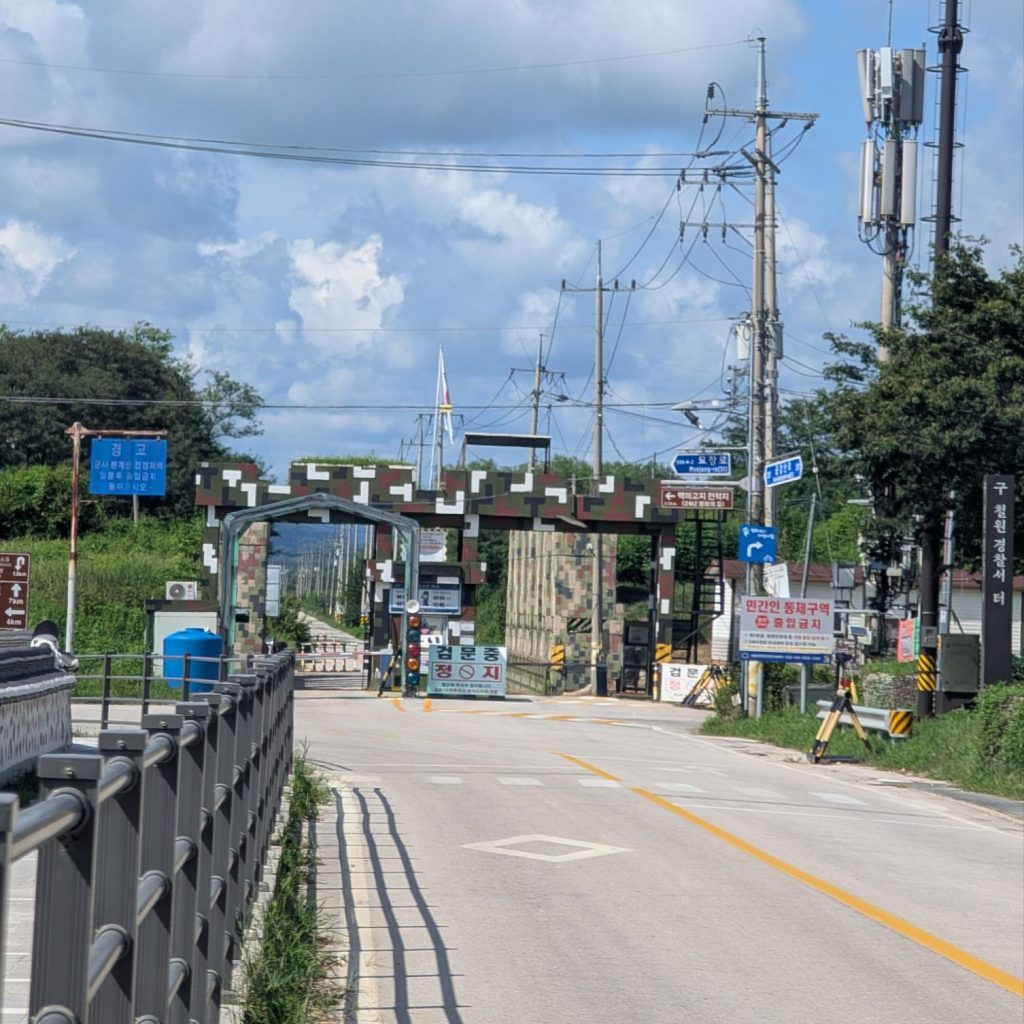
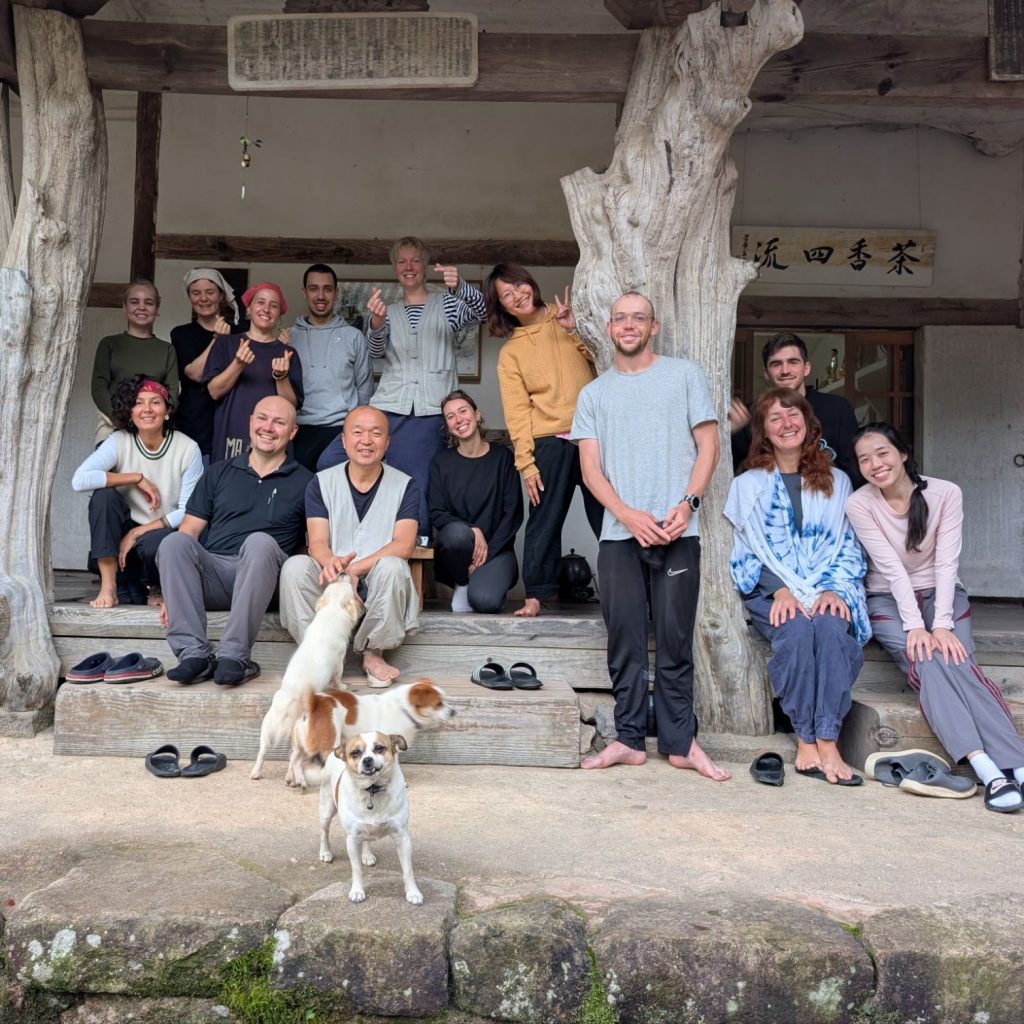
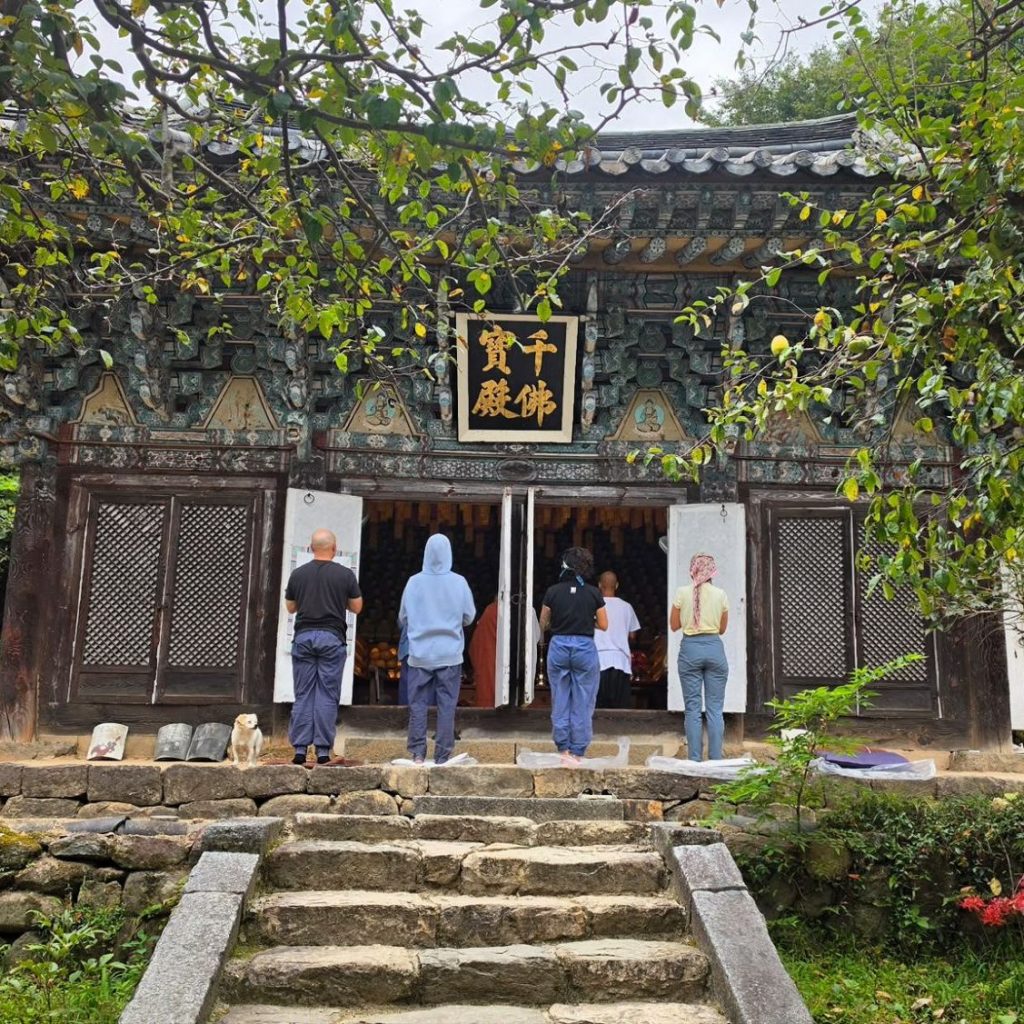
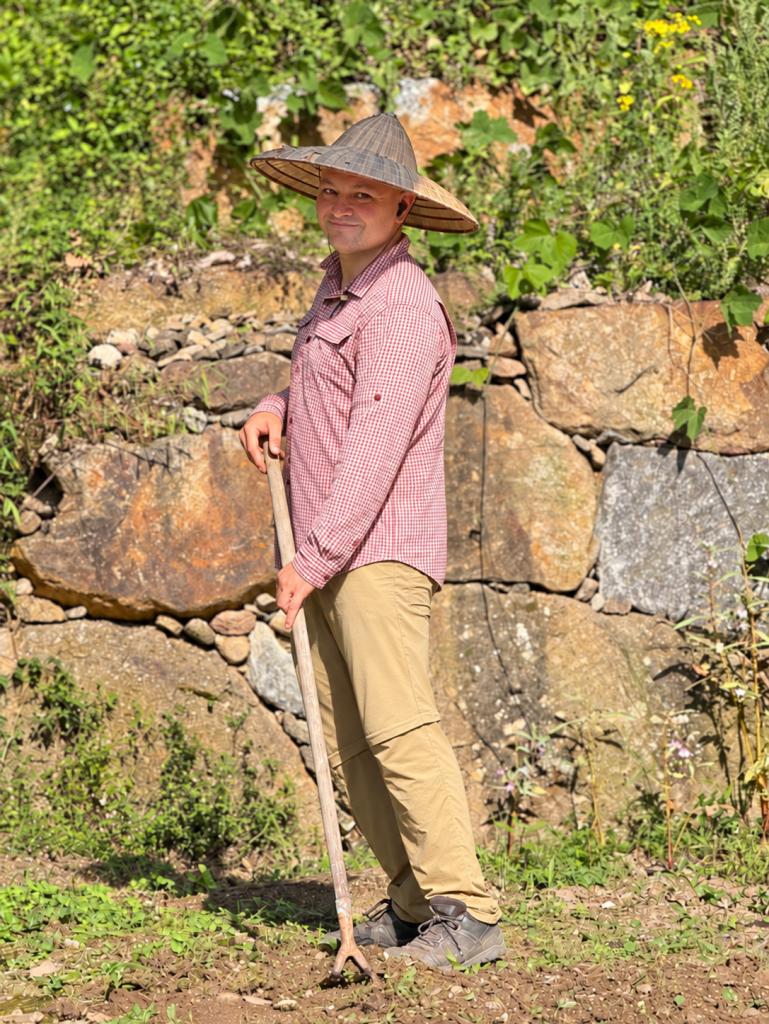
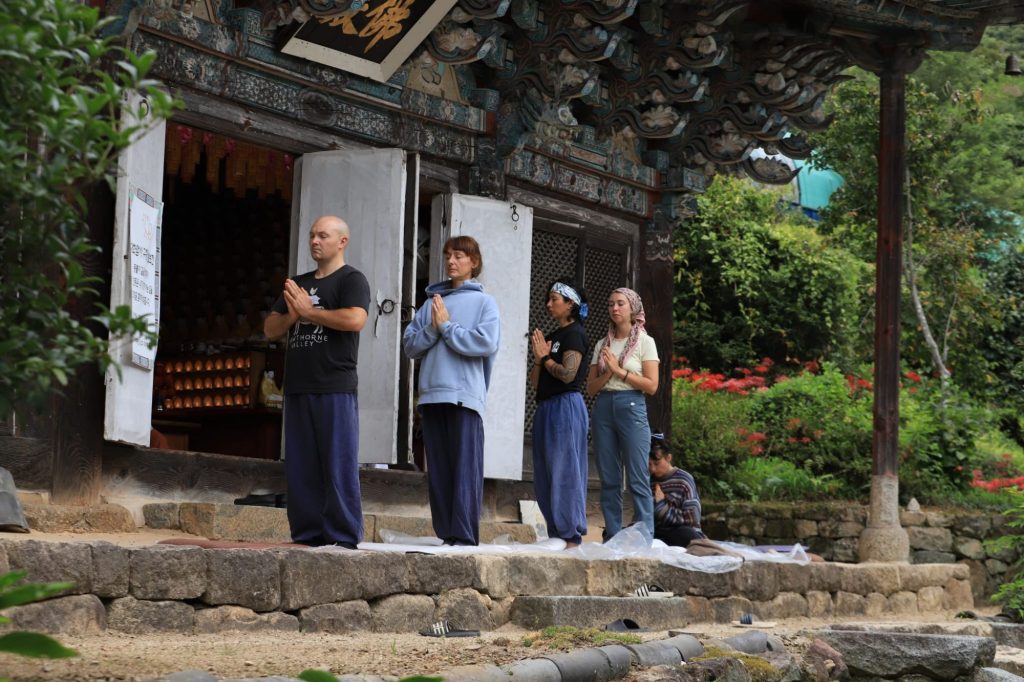
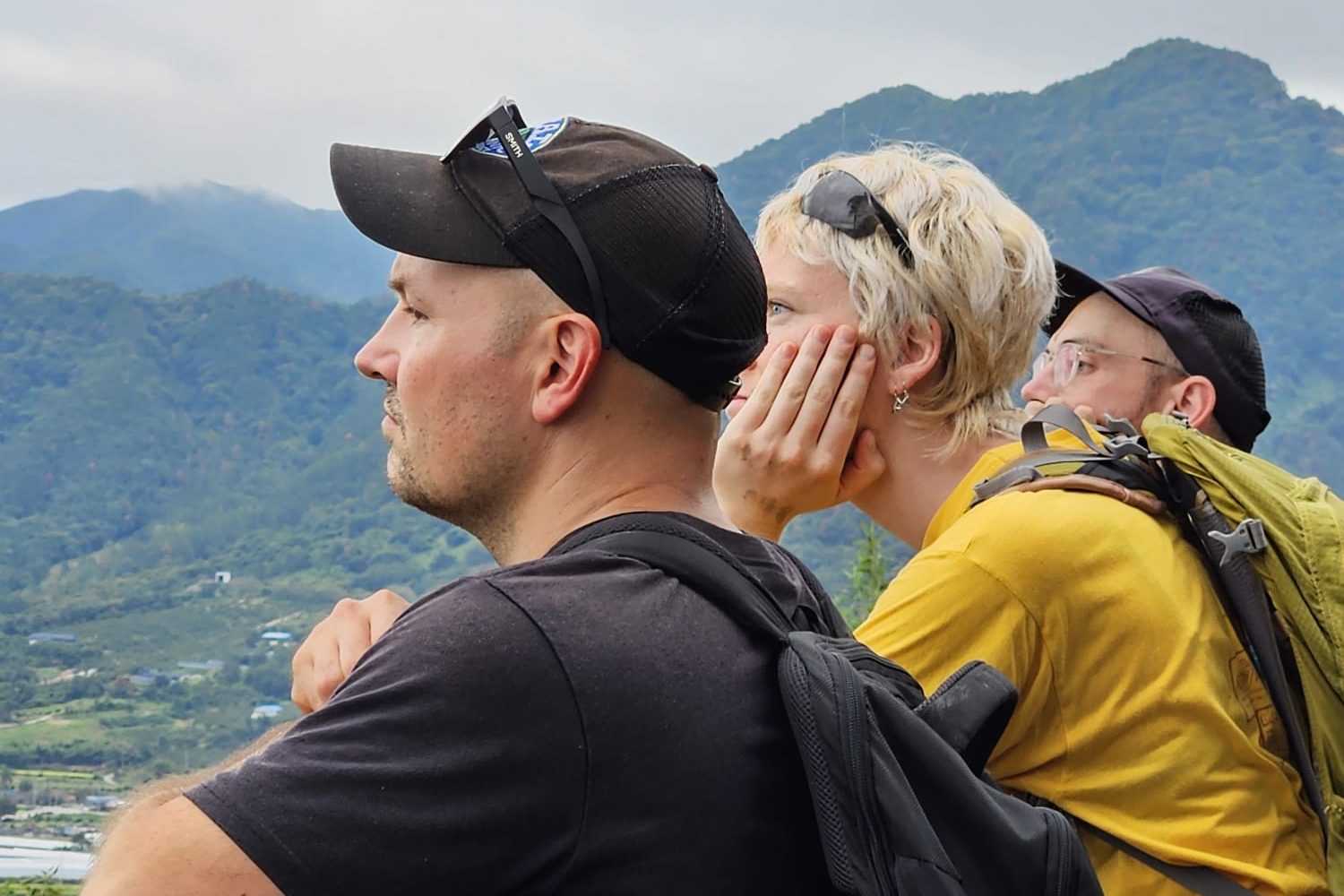
After spending months moving between farms in Japan, Korea, and Taiwan, I’m less certain than I’ve ever been that owning one farm is what I actually want. That creates some conflict for me, because I haven’t fallen out of love with farming. I haven’t even stopped farming. If anything, I’m more certain that agriculture needs to remain a major part of my life. I’m just becoming less certain that owning one farm is the only way to build a life around it.
The Appeal of “This Is the Place”
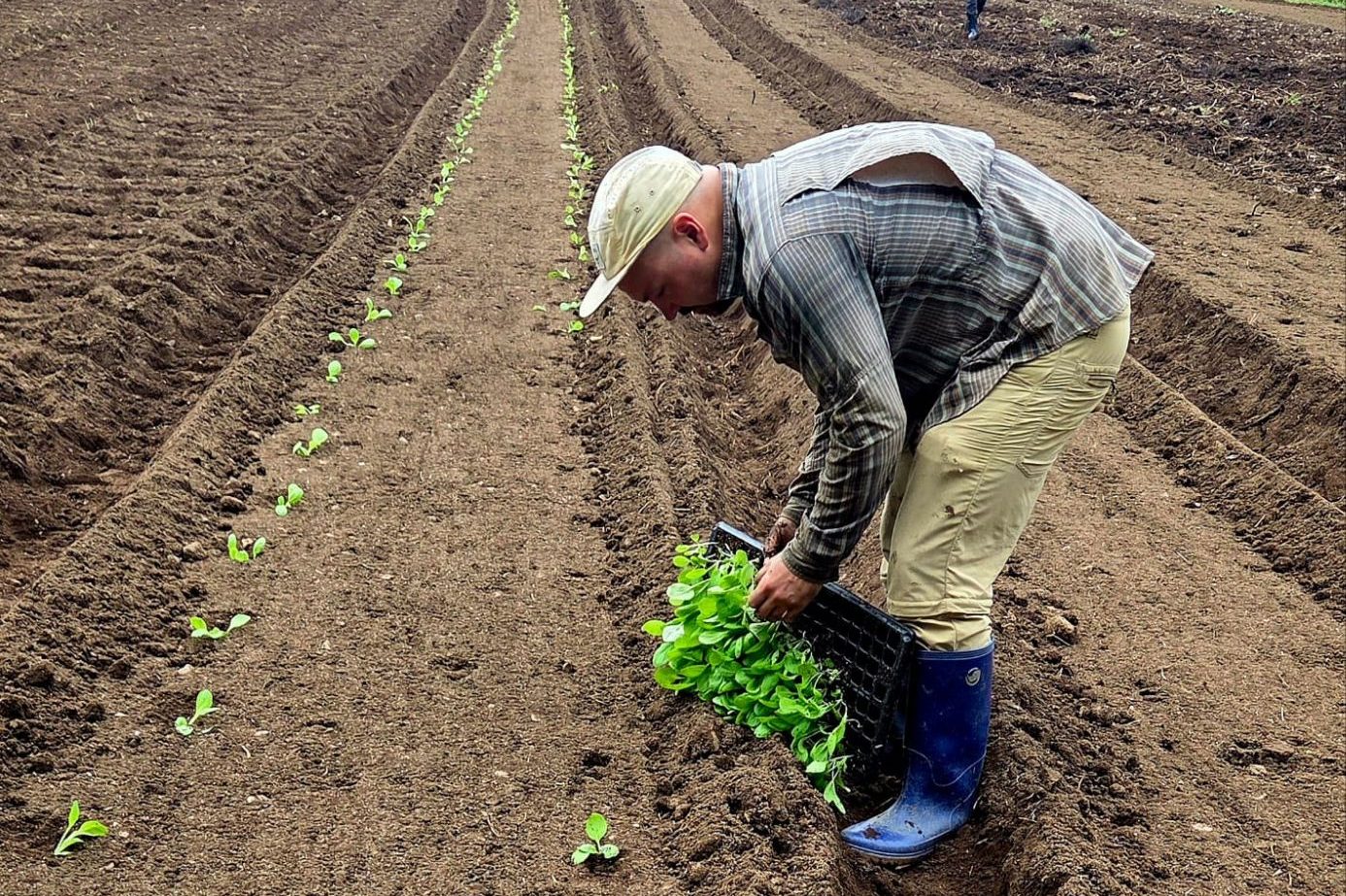
For most of the last decade, I assumed the direction of my life had a natural progression. I am a farmer, and although the details were sometimes hazy, having my own farm one day seemed like the ideal destination. I spent years building the skills I thought I would need: vegetable production, irrigation, hoophouses, equipment, crop planning, organic certification, recordkeeping, marketing, grants, and all the less glamorous systems that keep a small farm functioning.
There is a line from Wendell Berry’s The Unsettling of America that has stuck with me for years:
“No farther. This is the place.”
I’ve always found that idea deeply appealing: to stop looking perpetually over the horizon, choose a place, learn it deeply, take responsibility for it, and build a life there.
And right now I’m doing almost exactly the opposite.
After spending months moving between farms in Japan, Korea, and Taiwan, I’m less certain than I’ve ever been that owning one farm is what I actually want. That creates some conflict for me, because I haven’t fallen out of love with farming. I haven’t even stopped farming. If anything, I’m more certain that agriculture needs to remain a major part of my life. I’m just becoming less certain that owning one farm is the only way to build a life around it.
WWOOFing Has Shown Me Another Version of Agricultural Life
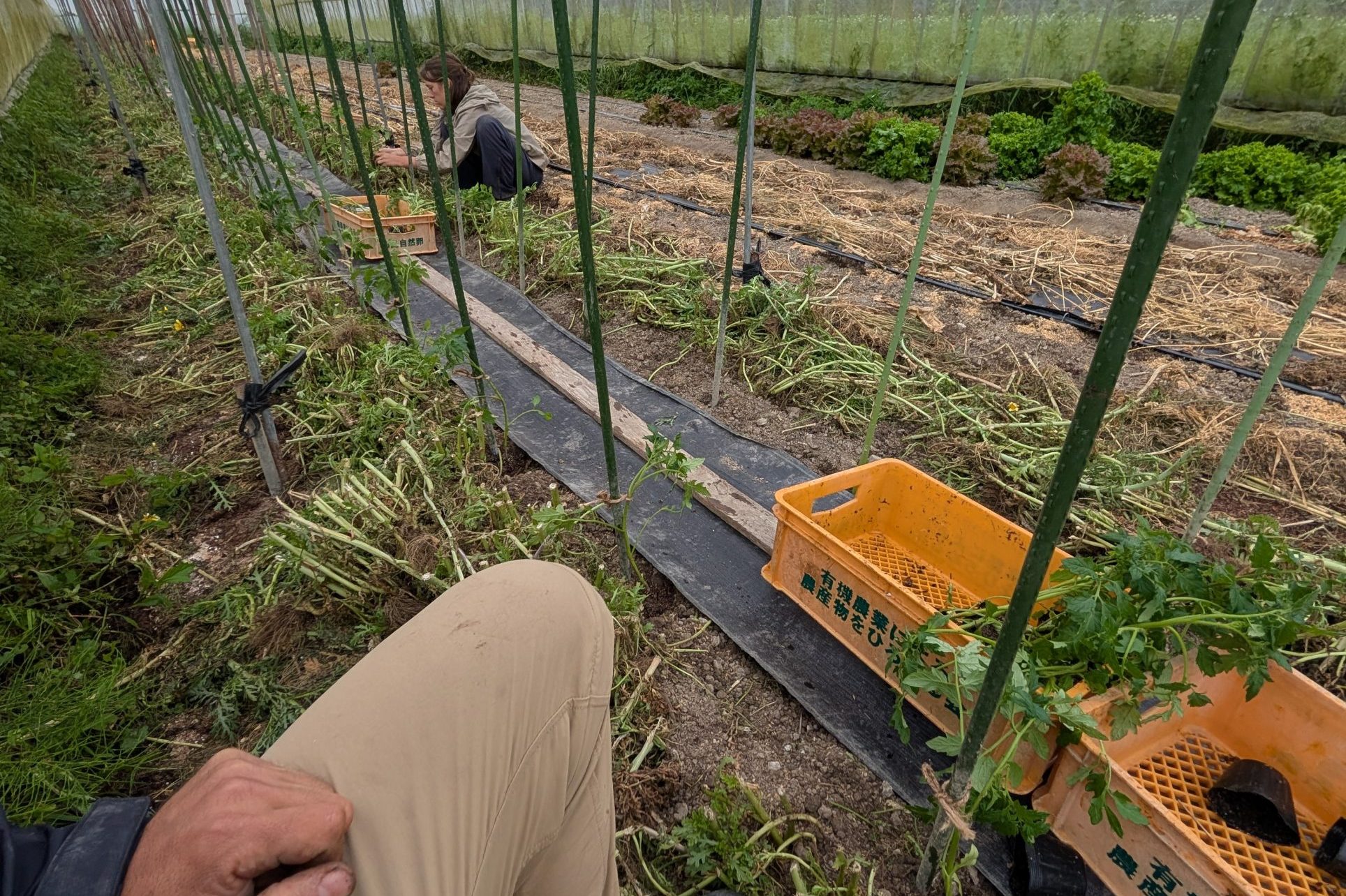
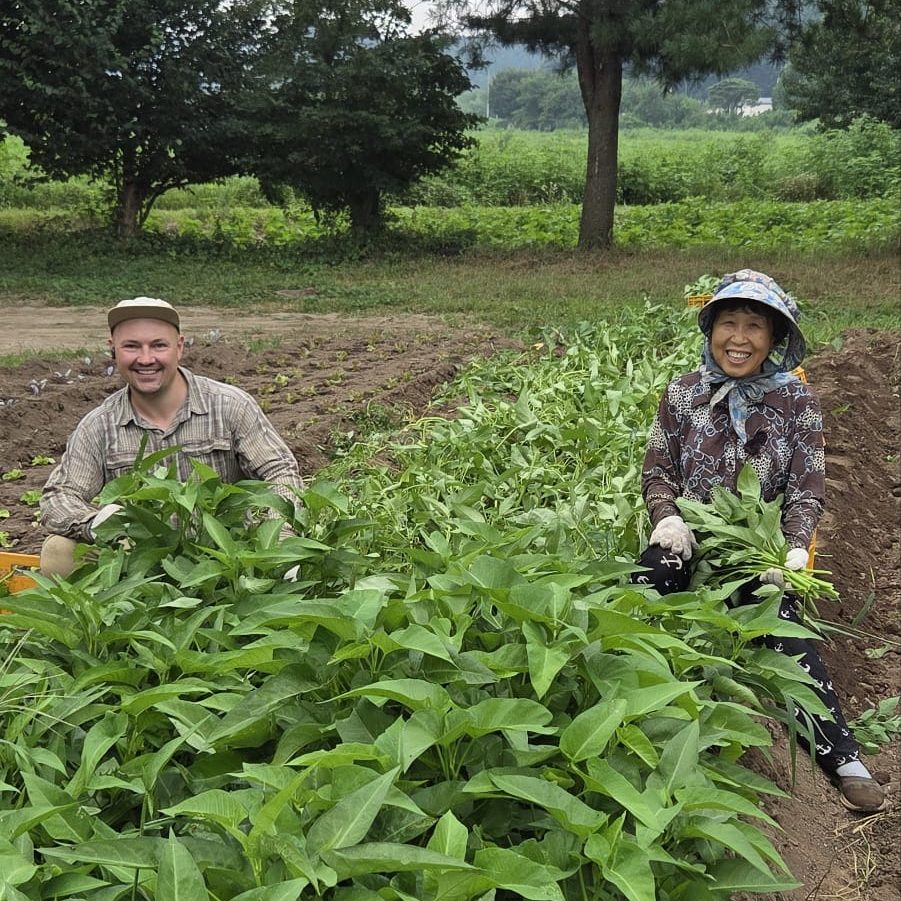
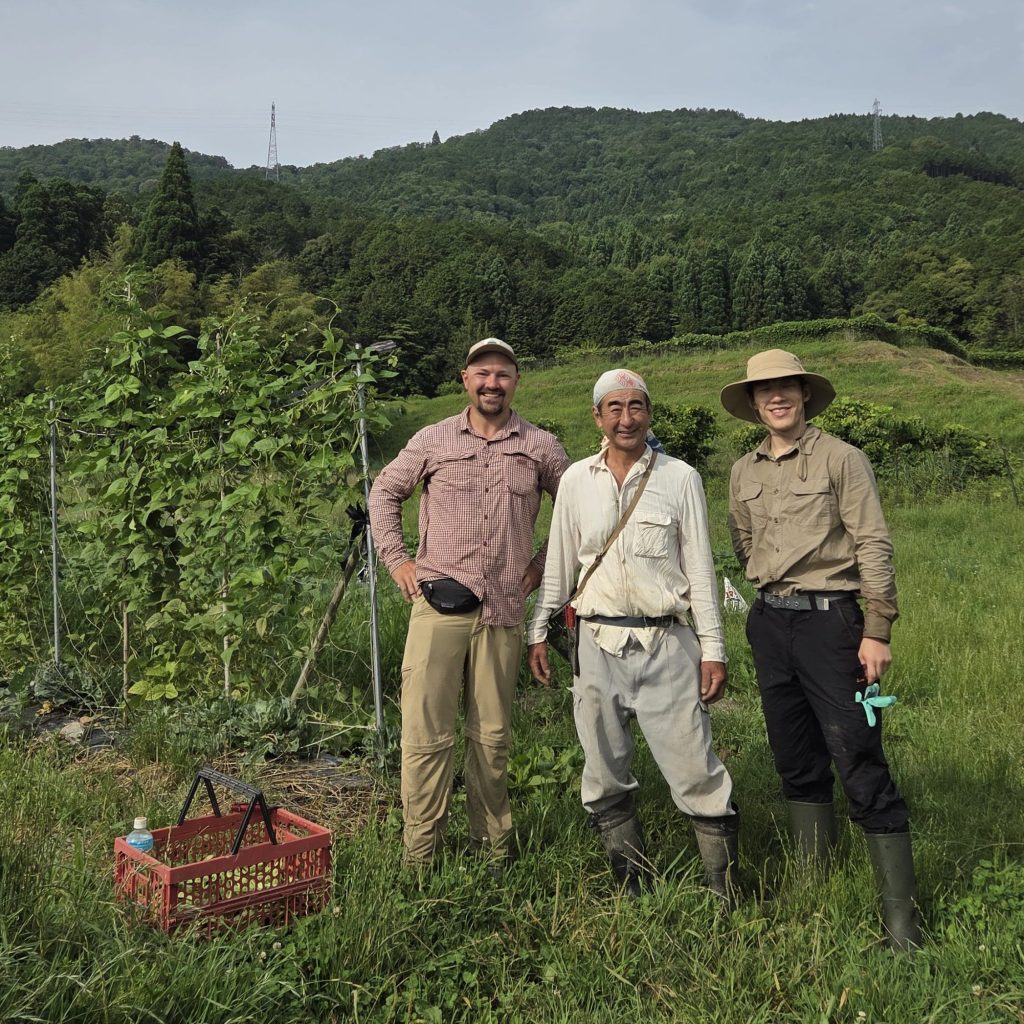
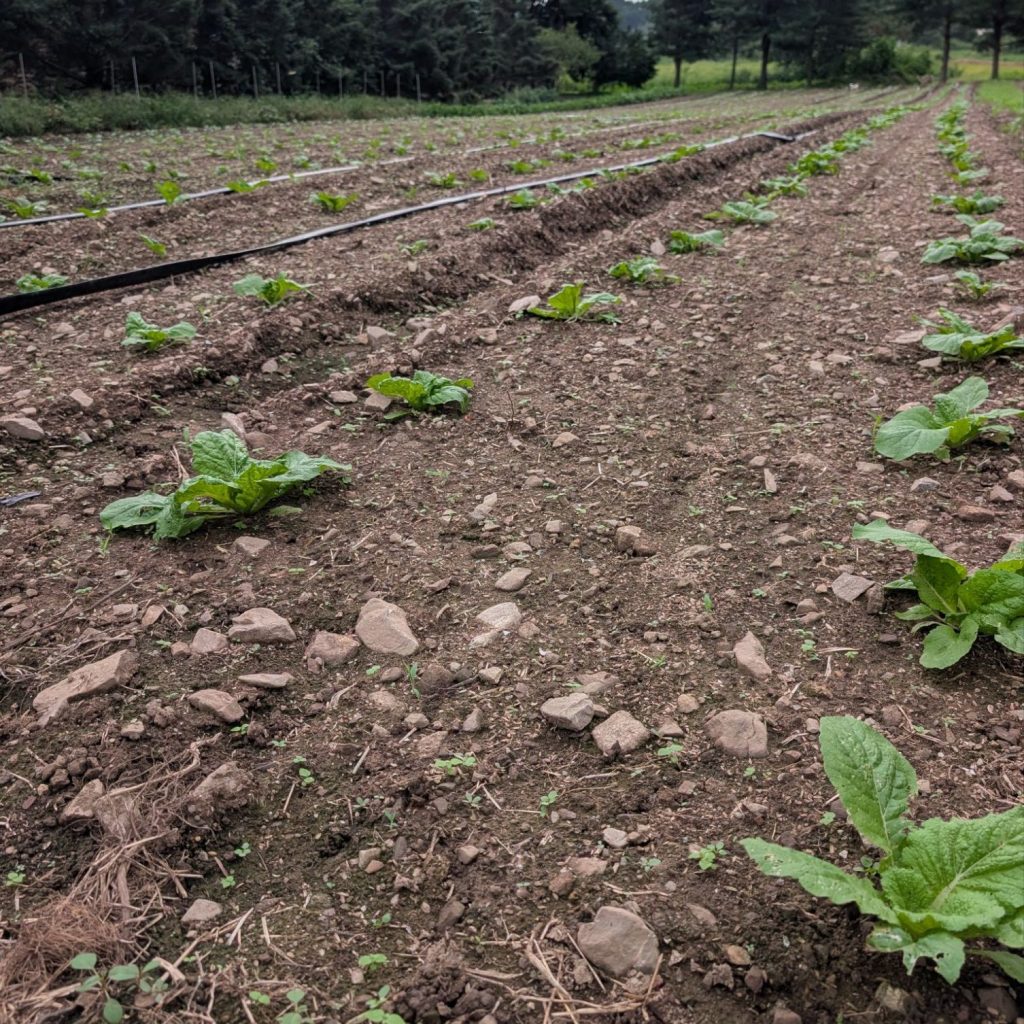
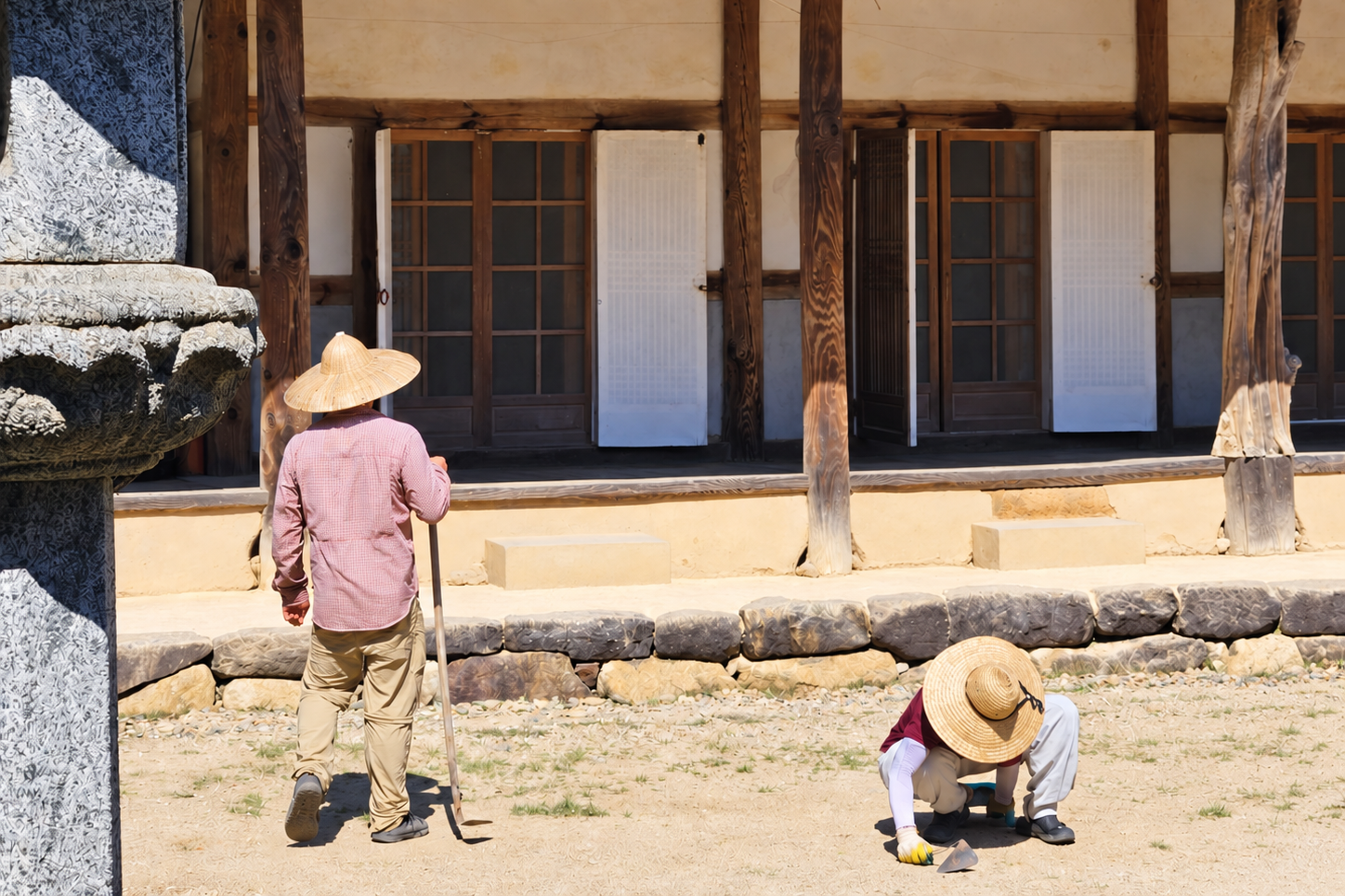
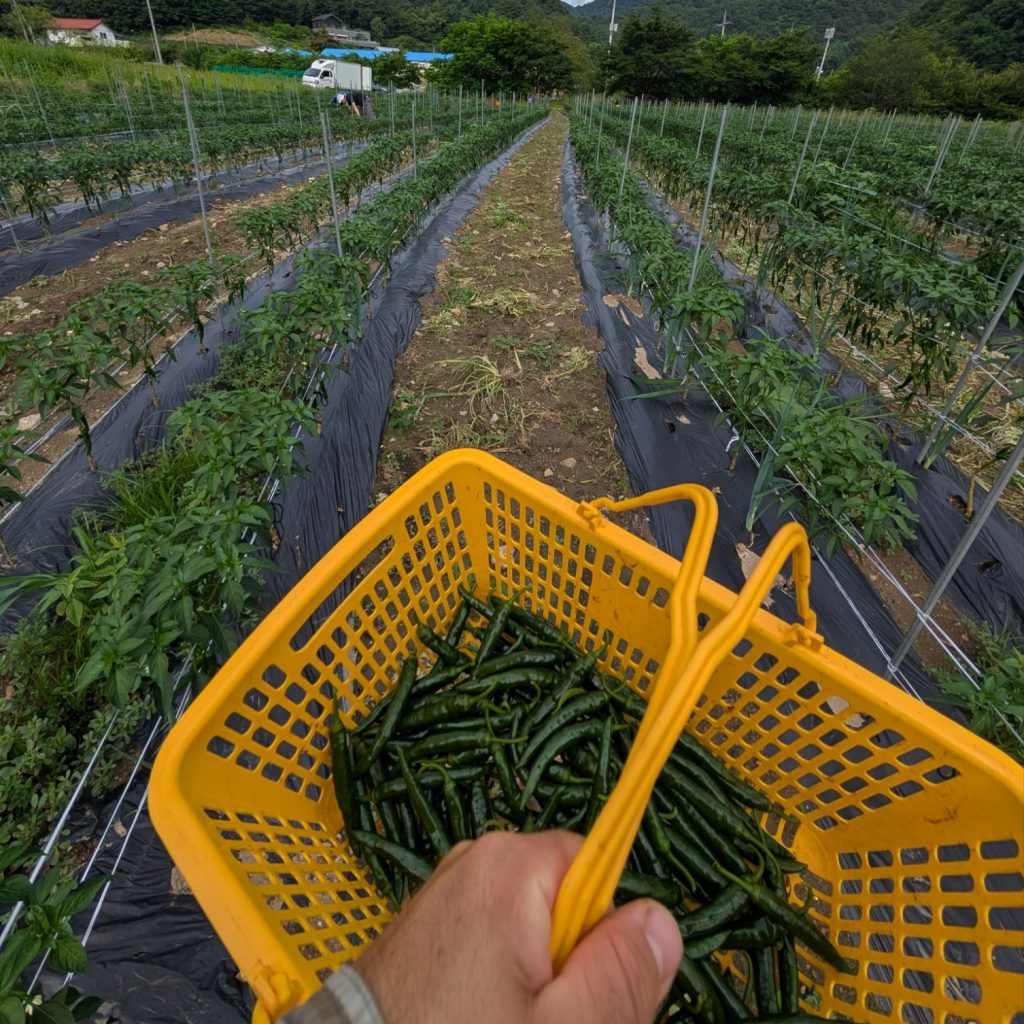
One of the unexpected pleasures of WWOOFing has been entering a farm, becoming useful relatively quickly, learning how the operation works, contributing something, and eventually moving on. That is obviously very different from building a relationship with one piece of land over twenty years, but it has its own appeal.
Over the last several months I’ve been able to:
• Work with different crops
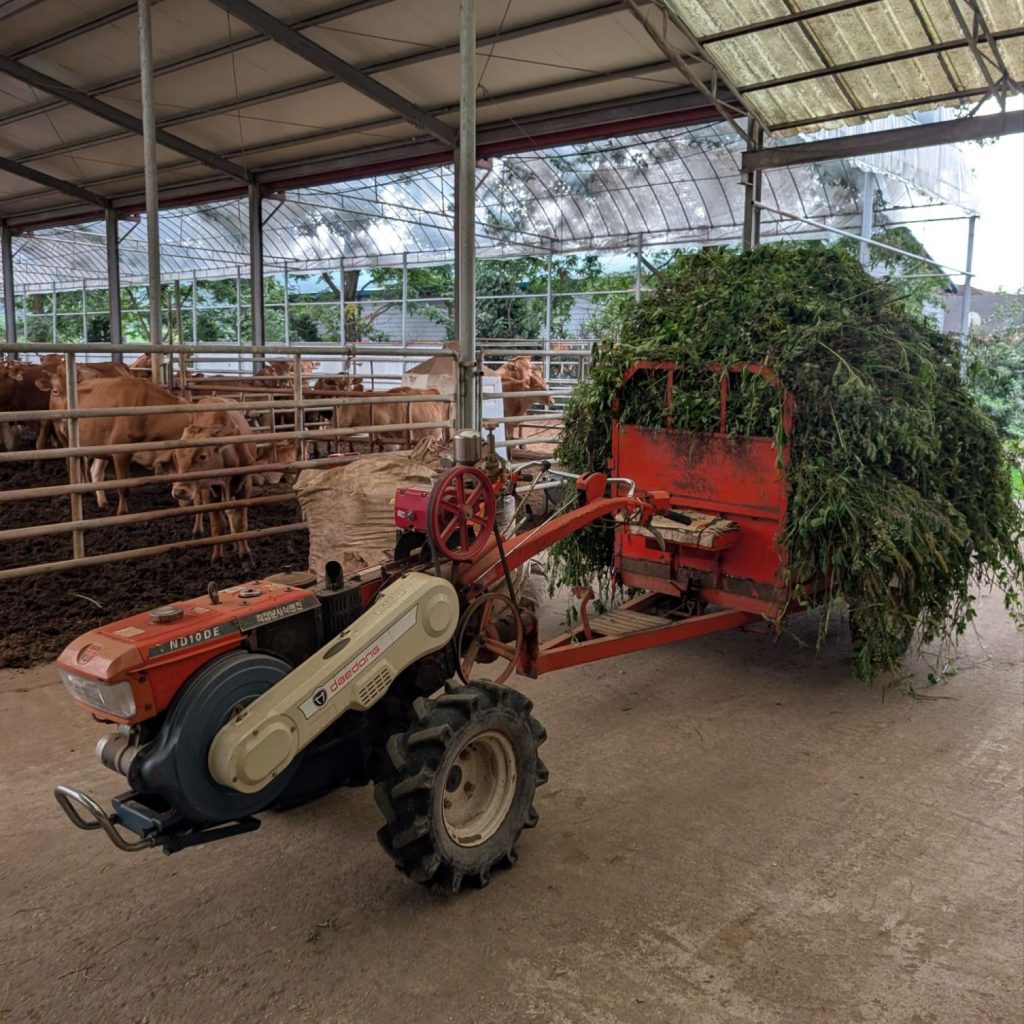
• See different tools and production systems
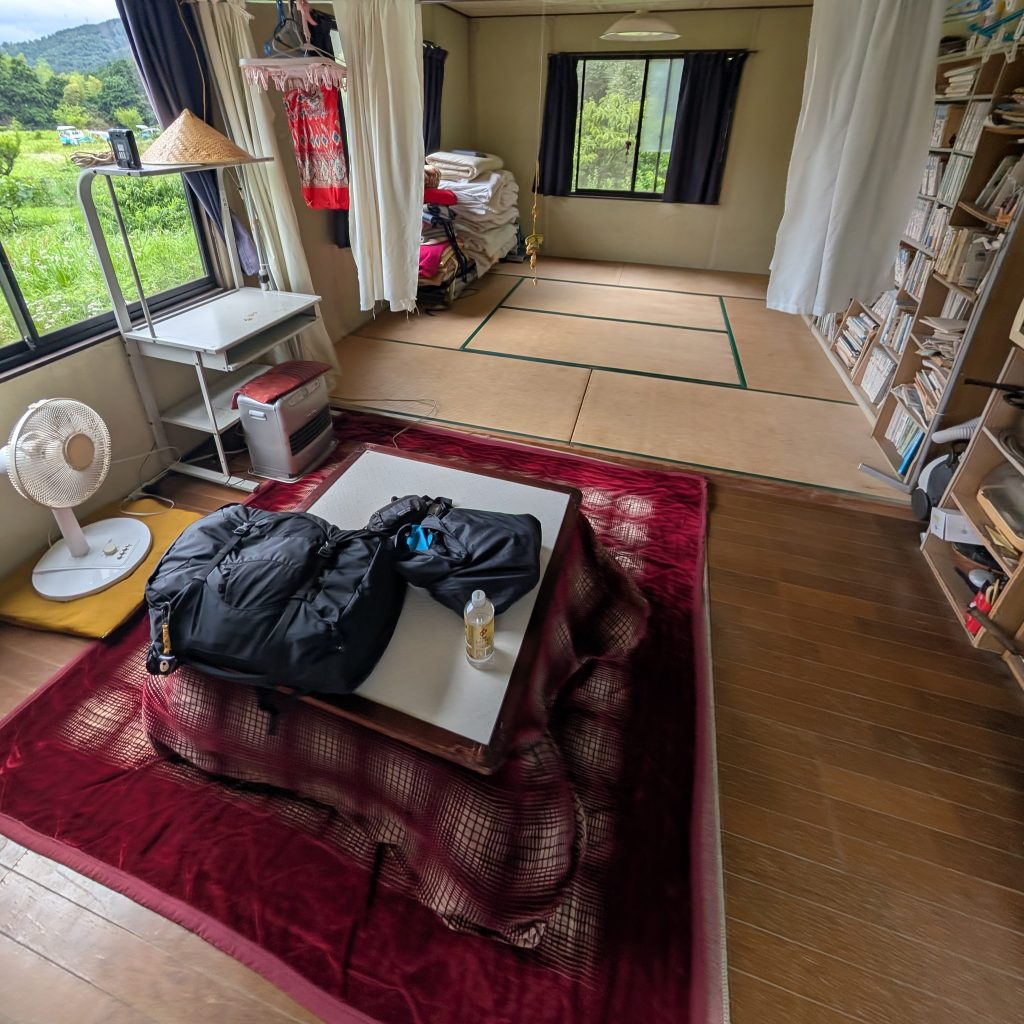
• Live with farm families
• Compare how similar problems are solved in different countries
• Teach techniques I already know
• Learn practices I had never encountered
• Work within different climates and landscapes
• Move between agriculture, cultural exchange, language study, and travel
I like being experienced enough to contribute while still being new enough to pay attention. There is something energizing about walking onto a new farm and figuring out how it works: Where does the water come from? What is the limiting factor? What breaks repeatedly? Which jobs consume too much labor? What does this farmer care about? What are they unusually good at?
I find myself constantly asking what I can learn and where I can help. That curiosity may be telling me something about the kind of agricultural life that suits me.
I Like Being Useful More Than I Like Being in Charge
I’ve always valued autonomy, and part of wanting my own farm was wanting control over my work. I still want that, but I’m realizing that autonomy doesn’t necessarily require controlling an entire operation. What I seem to enjoy most is having enough independence and experience to solve meaningful problems.
Sometimes that means:
• Improving a workflow
• Helping design irrigation
• Building a hoophouse
• Troubleshooting equipment
• Helping a beginning farmer think through a production problem
• Writing a grant that makes an infrastructure project possible
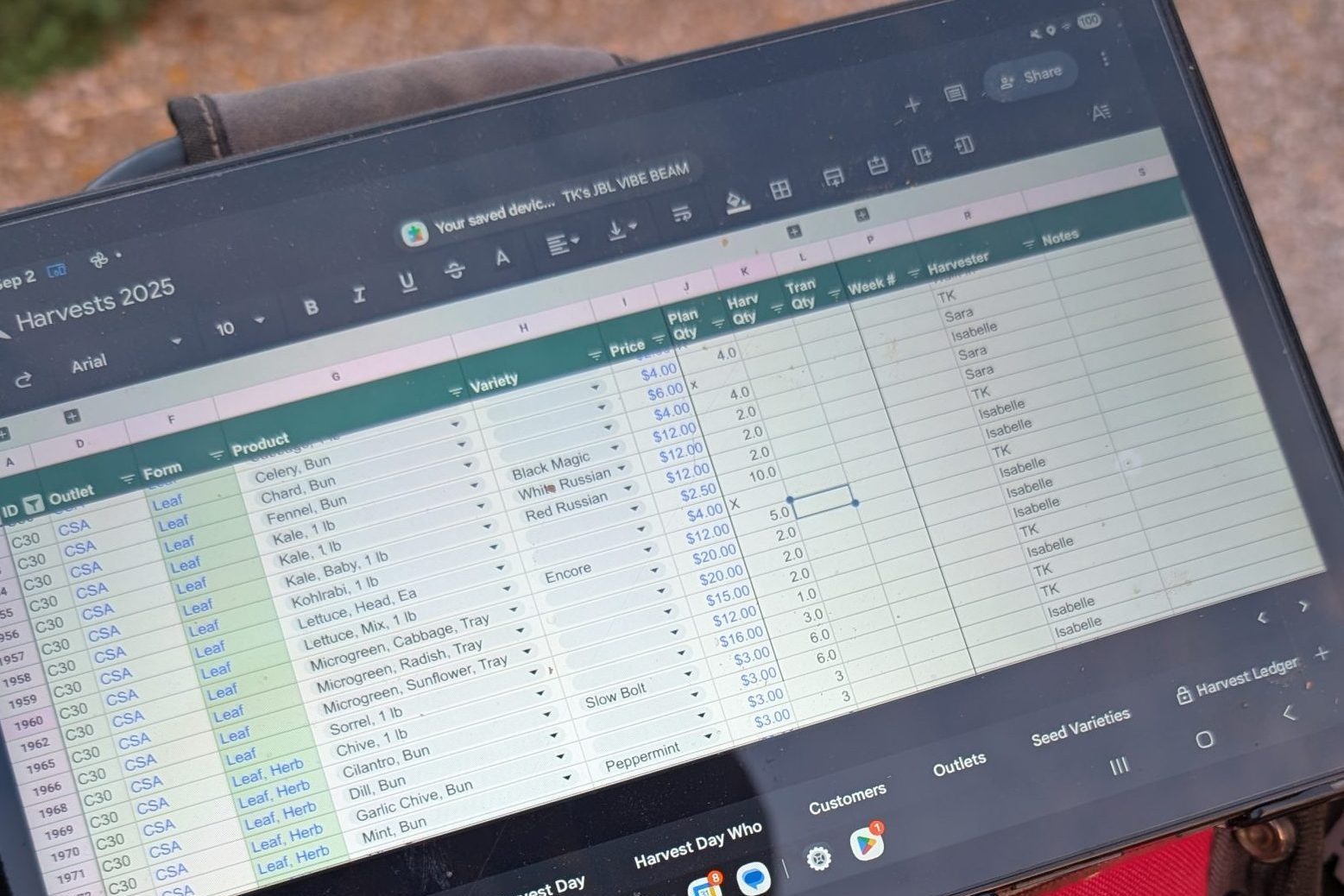
• Building a spreadsheet or website that saves somebody time
• Showing someone a tool or technique that changes the labor equation
Those can be relatively small interventions, but they can have a large effect. I can also do them without carrying every responsibility that comes with owning the farm myself.
Maybe Consulting Isn’t Separate From Farming
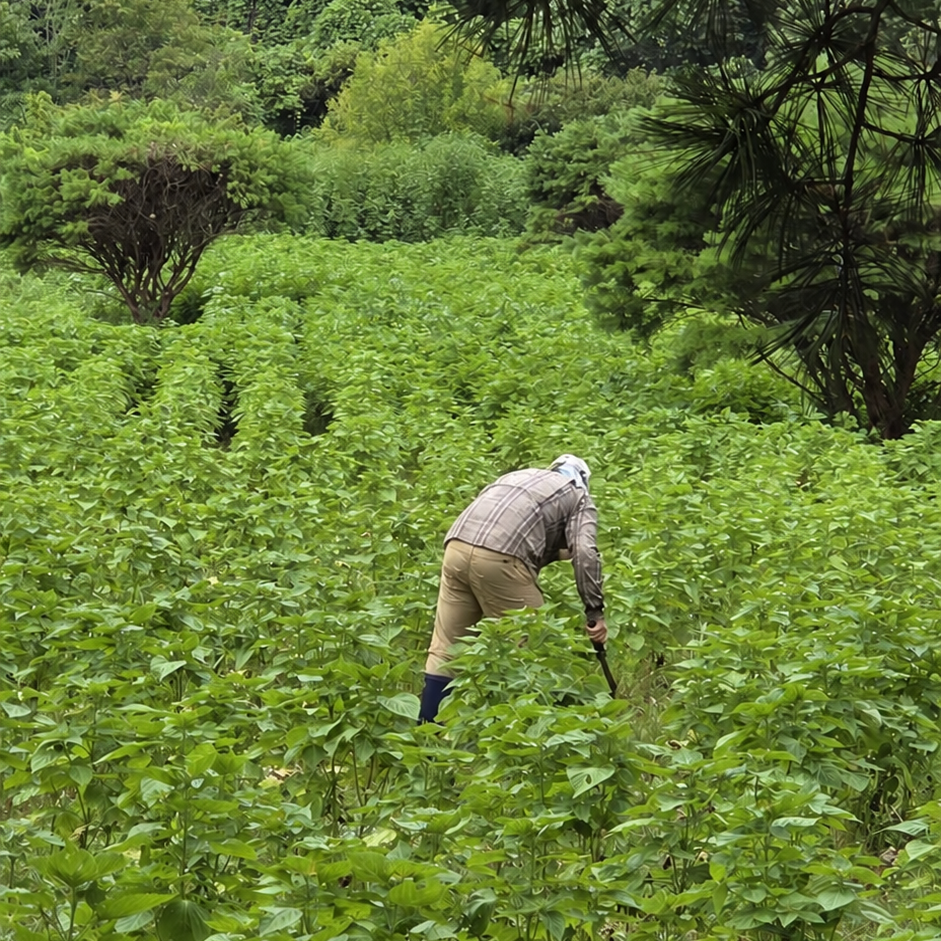
For a while, I thought of consulting and technical work as things I might do to support farming financially. I’m beginning to think that may be backwards. Perhaps consulting can itself be one of the ways I participate in agriculture.
I have an unusual combination of experience:
• More than a decade of farming
• A background in software development
• Hands-on infrastructure experience
• Organic certification experience
• Grant writing and research
• Websites and digital systems
• Beginning-farmer mentoring
• International farm experience
None of those things individually defines what I want to do. Together, though, they suggest a role I find increasingly interesting: the person farmers call when there is a messy problem that doesn’t fit neatly into one category.
That still feels like agricultural work to me. Maybe even more so than spending every winter trying to sell next year’s CSA shares.
The Part Berry Makes Difficult
This is where I can’t completely dismiss that line: “No farther. This is the place.” There are things movement simply cannot give me.
I can arrive at a farm and understand a lot fairly quickly, but I don’t know that place the way somebody knows it after twenty seasons. I didn’t build the soil. I don’t remember when that tree was planted or what happened in that field ten years ago. I won’t necessarily be there to find out whether a decision that looks good today still looks good five years from now.
There is a depth of knowledge—and responsibility—that only comes from staying. That matters to me.
I also don’t want to turn mobility into another version of constantly believing that whatever is over the next hill must be better. There will always be another country, another farm, another language, another interesting person, and another possibility. At some point, choosing one thing means giving up the others.
That is the part of Berry’s argument that still bothers me in a productive way.
But I’m Not Ready to Stop Moving Yet
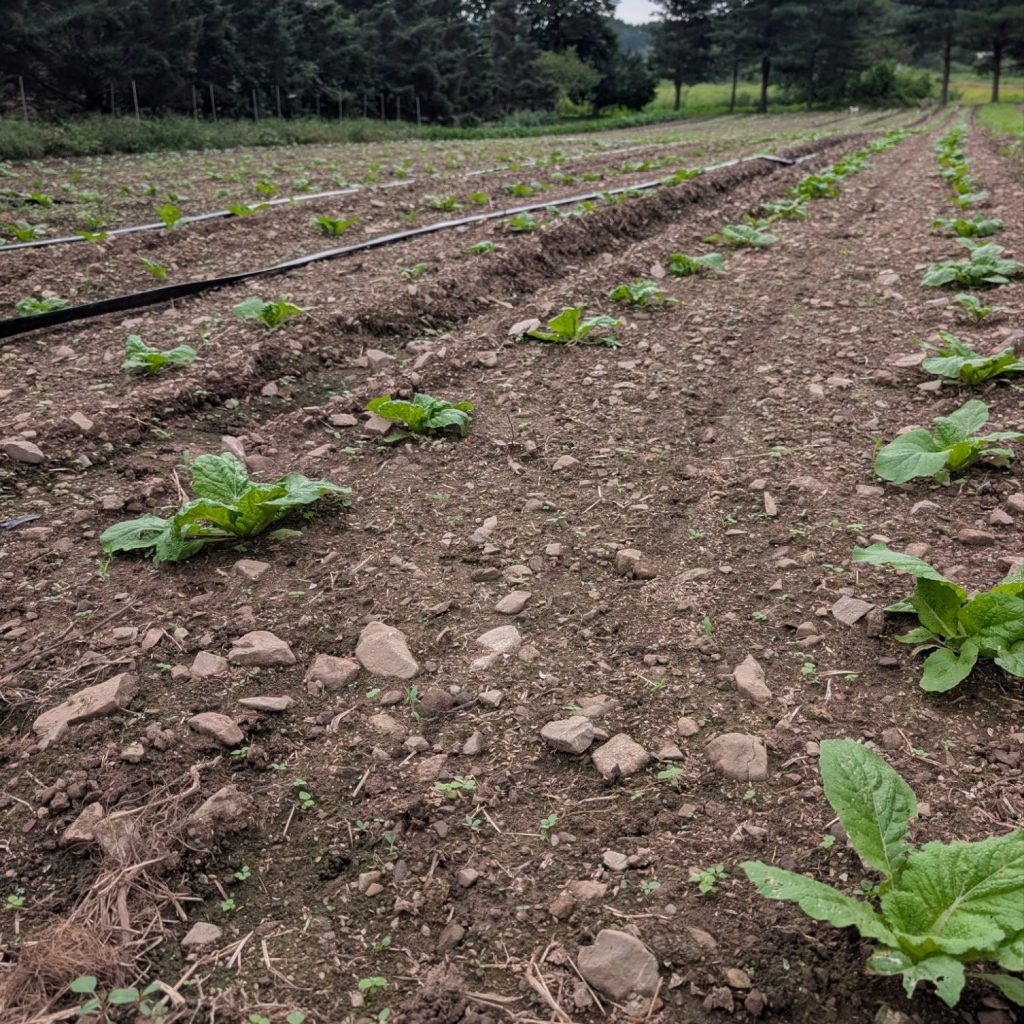
At the same time, I like what movement is giving me right now. More specifically, I like living temporarily in rural places.
I like:
• Staying long enough to develop routines
• Working with people instead of only visiting them
• Learning languages
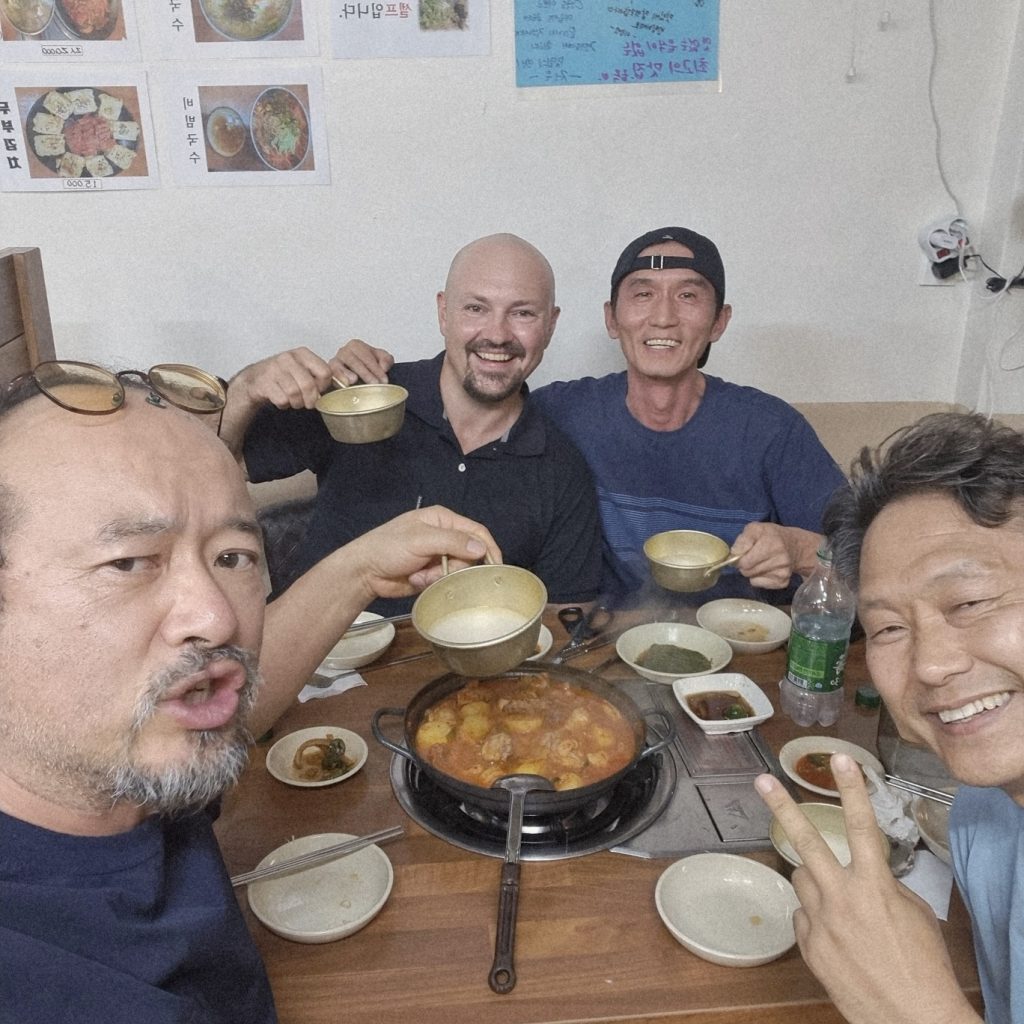
• Eating with families
• Hearing people’s stories
• Seeing how agriculture changes with climate and cuisine
• Comparing tools and production systems
• Being pointed toward places tourists rarely visit
• Becoming useful somewhere unfamiliar
Importantly, I’m not sacrificing farming to do those things. The farming is what makes much of it possible.
A farm of my own would give me roots. This life gives me something else: the ability to keep farming while moving between places, people, cultures, and agricultural systems. Right now, I’m not sure I’m ready to trade that for permanence.
There may also be a version of my life that doesn’t require permanently choosing between rootedness and movement. Maybe it looks something like:
• A season working intensively on a farm
• A period of consulting
• Time abroad
• Writing
• Technical projects
• Another growing season somewhere else
That would have sounded unfocused to me a few years ago. Now it sounds increasingly coherent.
There Are Things This Life Cannot Give Me
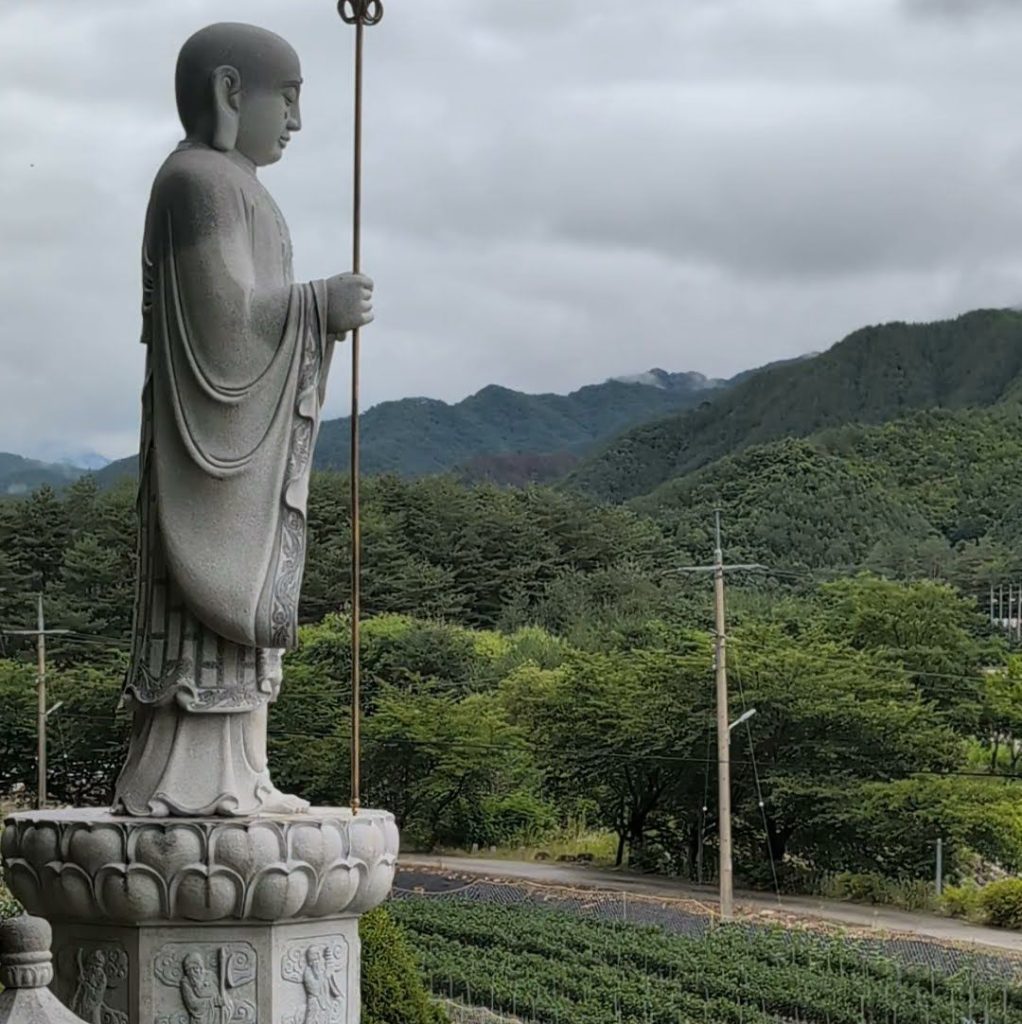
I don’t want to romanticize the alternative either. Moving between farms has obvious limitations. I don’t get the same long-term feedback, see soil improve over ten years because of my management, plant an orchard and watch it mature, or build the same depth of knowledge about one piece of land. I also don’t experience the satisfaction of creating an operation whose culture and systems are truly my own.
Ultimately, there is a difference between advising someone and being the person who has to live with the outcome. That responsibility has value, and there may still come a point when I want it. I’m just less interested in forcing myself toward ownership because it seems like the proper conclusion to a farming career.
I Haven’t Given Up on the Farm
This isn’t an announcement that I will never own land. I still imagine it sometimes: a small place with good soil, enough infrastructure to work efficiently, a greenhouse, a workshop, and maybe an acre or two of serious production.
But the image has become less rigid. I no longer need that farm to prove that I became a “real” farmer. I already am one. If my future involves helping ten farms instead of owning one, I’m starting to think that could be just as legitimate—and maybe more interesting, at least for me.
The Dream Changed Shape
For a while, I thought owning a farm was the destination. Now I’m starting to think farming may be the constant while the form around it changes.
I want agriculture and rural communities in my life. I want physical work and problems worth solving. I want enough independence to choose work I believe matters, and I want to keep learning from people who farm differently than I do. At least for now, I also want enough freedom to keep moving.
Maybe those things eventually lead me back to a farm of my own. Maybe someday I reach a place and know: No farther. This is the place.
Or maybe they lead to a life that moves between farms, countries, seasons, consulting projects, and writing.
I don’t know yet. A few years ago, that uncertainty would have bothered me.
Now I think it might be the interesting part.