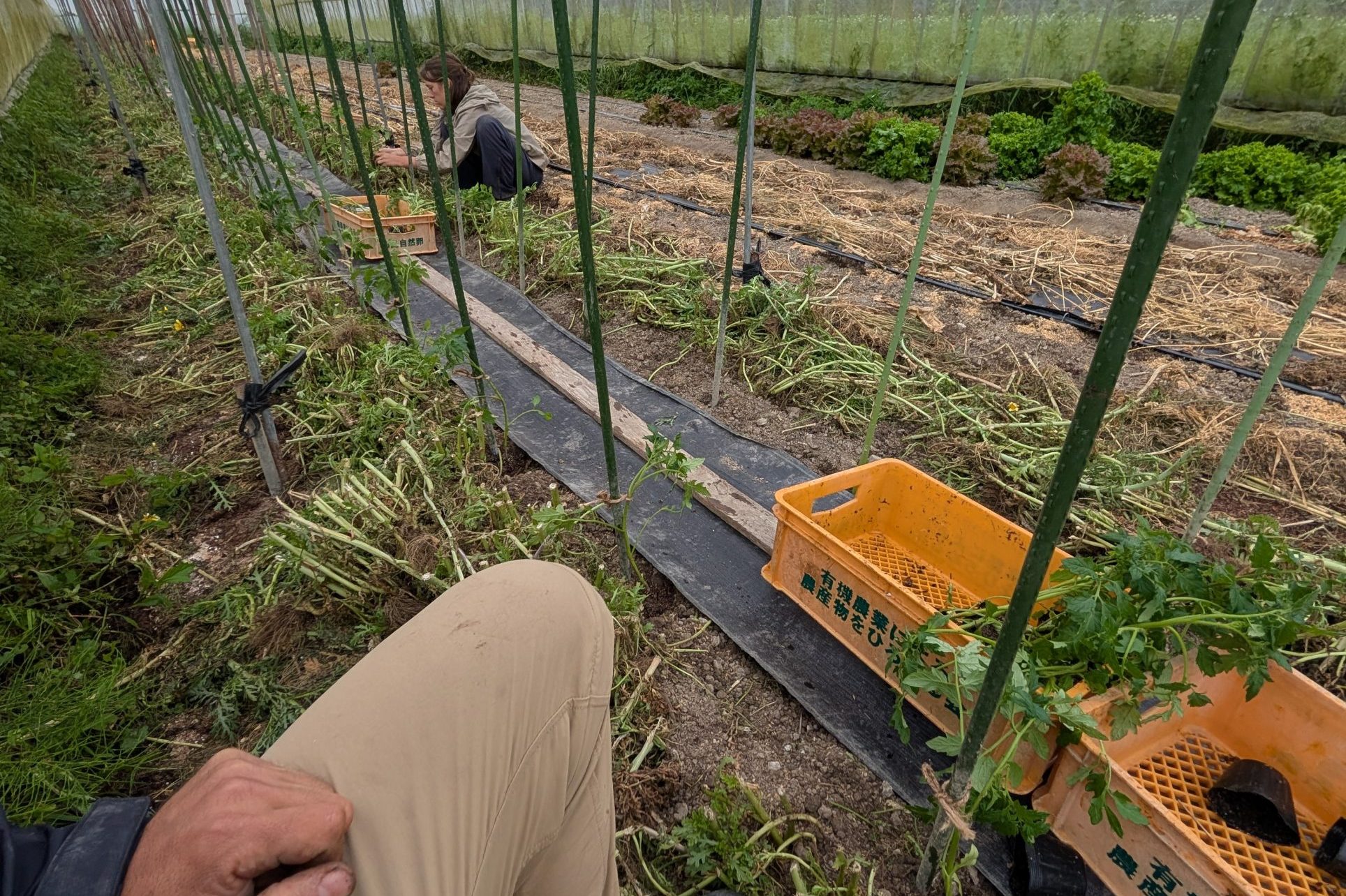
I have spent more than a decade farming, so when I tell people that I’m traveling through Asia by volunteering on farms, there is an obvious question: Why?
I’m not WWOOFing because I need someone to teach me how to weed a row, transplant seedlings, run irrigation, harvest vegetables, or survive a long day outside. I already know how to farm. That turns out not to be the point.
What keeps me WWOOFing is that farming gives me access to something I care about even more than agricultural technique: rural life.
I’d Rather Live Somewhere Than Visit It
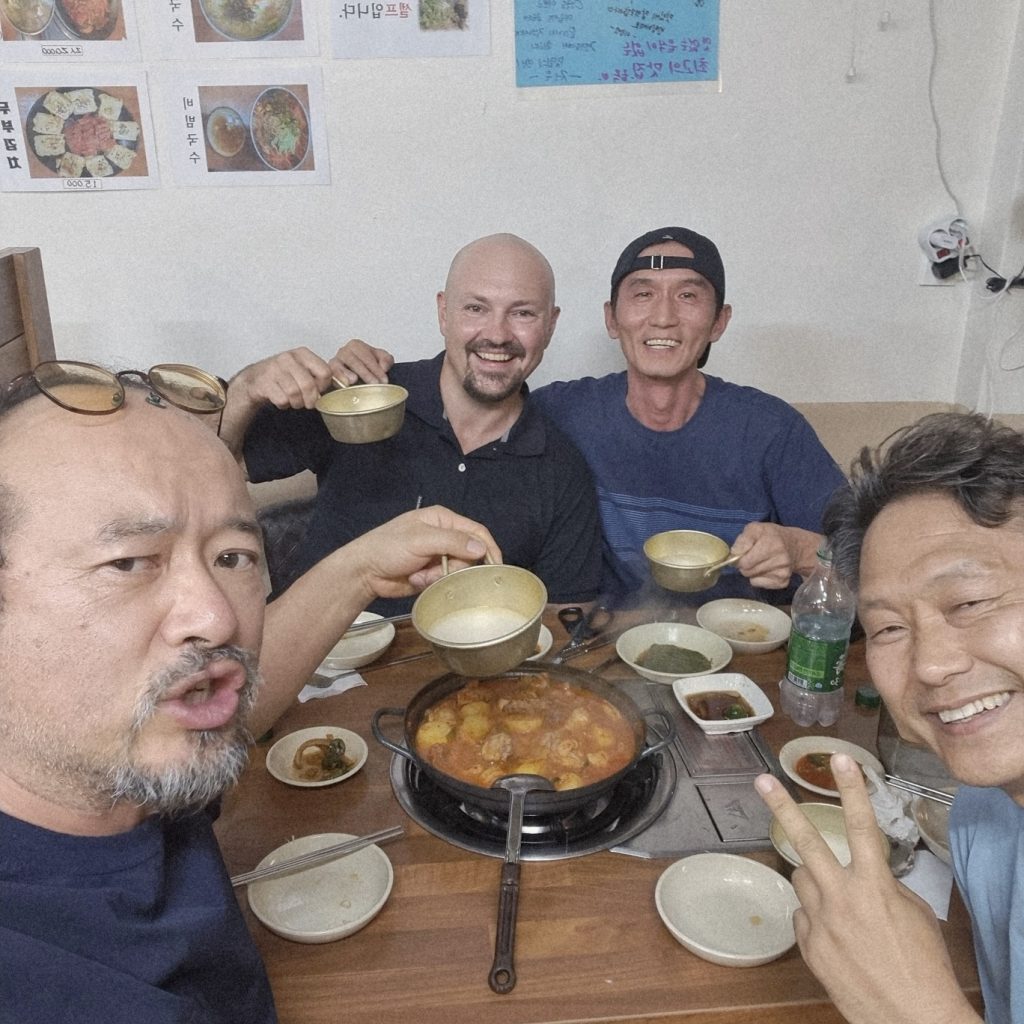
Despite my Las Vegas urban roots, I prefer the country. Cities can be interesting, but when I travel I don’t really want to spend months moving from landmark to landmark, eating in restaurants, sleeping in hotels, and observing a place from the outside. I want to know what ordinary life feels like.
WWOOFing gives me a way into that. I get to:
• Live where my hosts live
• Eat what they eat
• Work beside them
• Hear how they actually speak
• Meet their families, friends, neighbors, and other workers
• Ask locals where I should go instead of relying entirely on travel guides
• Spend enough time somewhere to develop routines instead of constantly moving on
That has taken me to temples, mountains, streams, markets, festivals, neighborhood restaurants, small towns, and other places I probably never would have found following a normal tourist itinerary. Some of my favorite experiences have started with someone simply saying, “You should go here.”
Agriculture Is Close to the Root
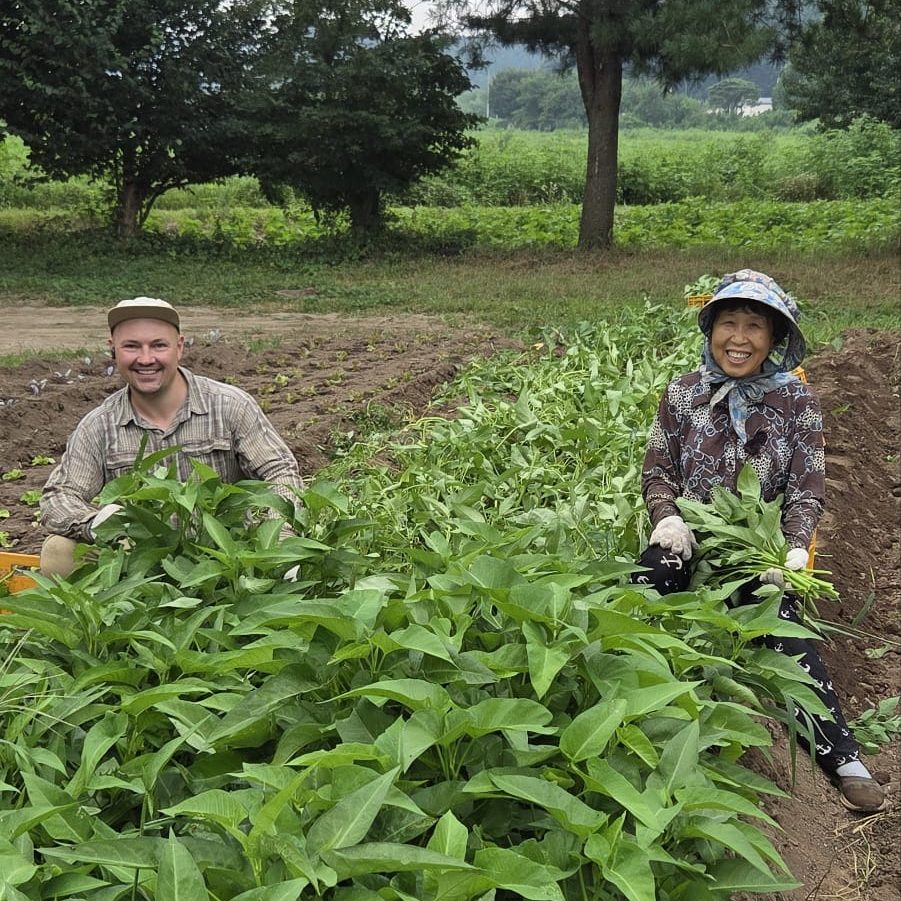
Part of my attraction to rural life is that agriculture sits very close to the root of most settled societies. Human culture obviously existed long before agriculture, but large, specialized societies depend on someone producing enough food that everyone else doesn’t have to spend all of their time producing it.
Agricultural surplus makes possible things like:
• Specialized trades
• Cities
• Large religious and political institutions
• Scholarship
• Art and craftsmanship
• Large-scale commerce
• Eventually, all the modern industries that seem very far removed from a farm
So when I’m trying to understand a place, I’m naturally interested in the people producing its food. A farm tells you a surprising amount about the culture around it:
• The crops tell you what people eat.
• The food tells you something about climate, preservation, history, and taste.
• The machinery tells you something about labor.
• The size of farms tells you something about land.
• The age of the farmers tells you something about demographics.
• The meals tell you what people have valued enough to keep making generation after generation.
Agriculture isn’t the whole culture, but it’s a solid doorway into it.
Being Useful Changes the Relationship
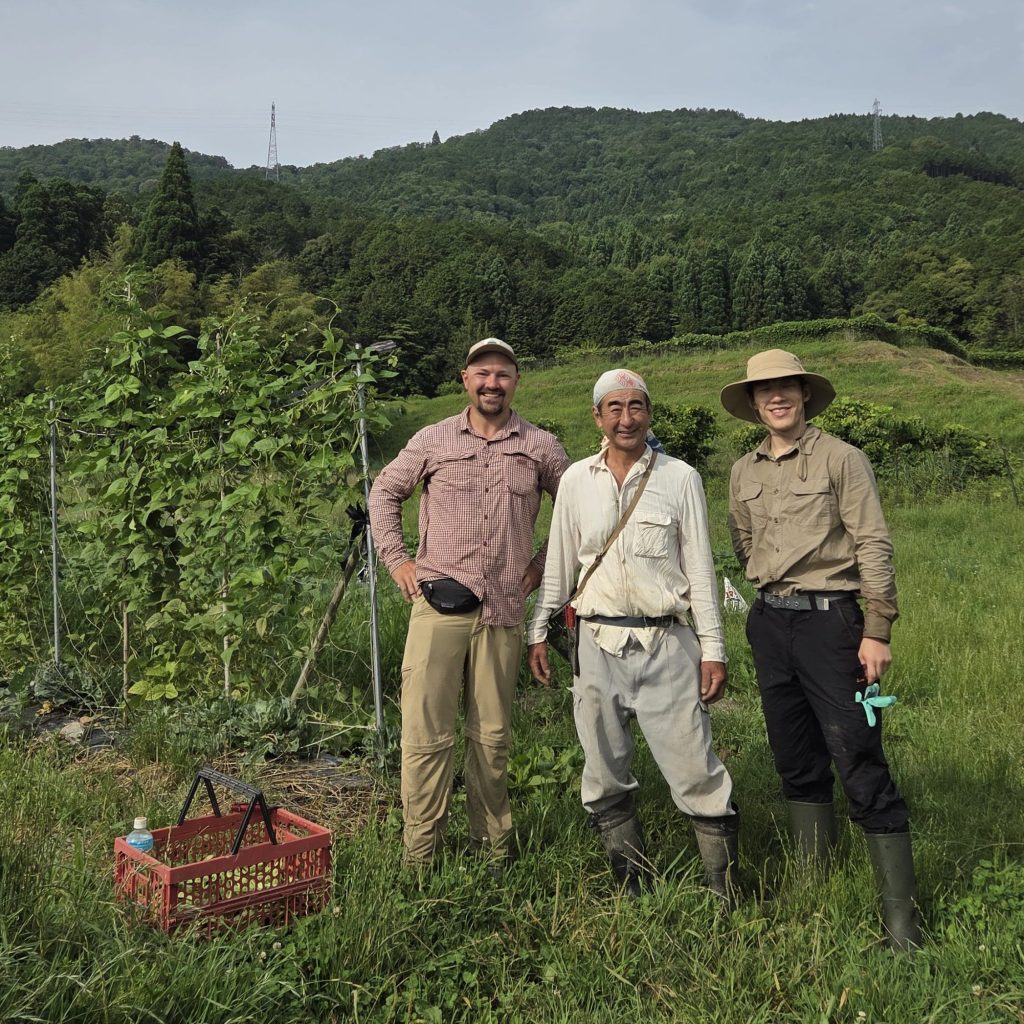
There is a big difference between visiting someone and working beside them. As a tourist, I’m mostly a customer. As a WWOOFer, I have a role. It may be temporary, and I’m still a guest, but I can contribute.
Depending on the farm, that might mean:
• Harvesting peppers or corn
• Weeding
• Seeding trays
• Packing produce
• Fixing something
• Washing vegetables
• Moving materials
• Cleaning up after a job
Because I already have a lot of farming experience, I can usually become useful pretty quickly. That changes the relationship.
Conversations happen naturally while working. People explain why they do things a certain way. They complain about things that aren’t working. They joke, give advice, and tell stories that probably never would have come up during a formal farm visit. After enough days of working and eating together, you stop feeling quite so much like an outsider.
I Get to Experience the Place, Not Just See It
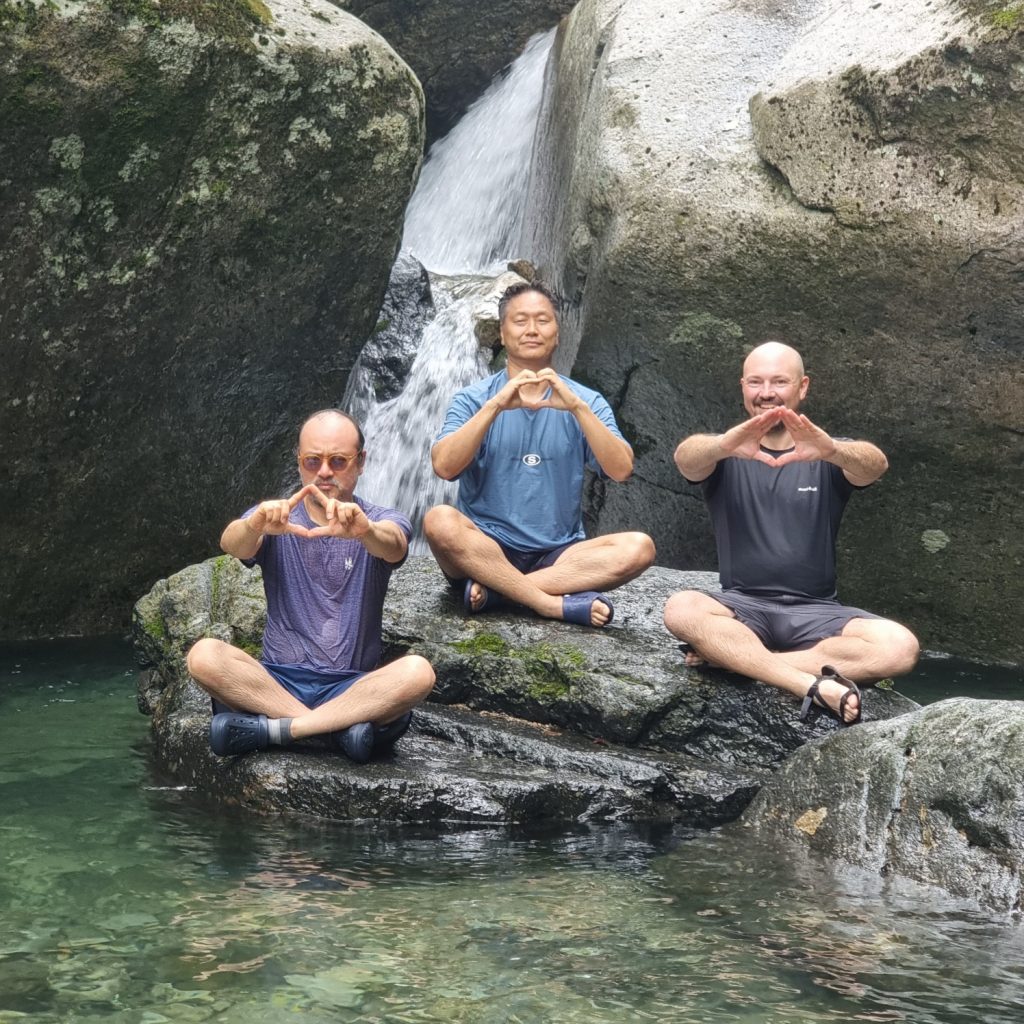
Language has been another big part of the experience. When you stay with people, you hear the same words and expressions over and over—not just formal language, but instructions, jokes, complaints, filler words, family conversations, local pronunciation, and all the little expressions that rarely make it into textbooks.
In Japan, this was especially valuable because I had already spent a lot of time studying Japanese. Farm work gave the language context. Words stopped being vocabulary cards and became attached to tools, vegetables, meals, weather, mistakes, and people.
Even in places where I know far less of the language, living around ordinary conversation changes my sense of how it actually sounds and how people use it. A good host also becomes an informal cultural guide. I can ask:
• What should I eat here?
• Where should I go on my day off?
• Is this place actually worth visiting?
• What does that expression mean?
• Is this normal here?
• What’s the best local restaurant?
• Why do people do things this way?
Google Maps has never told me, “My childhood friends are going to the stream this weekend. Come with us.”
The Best Places Usually Aren’t on a Top Ten List
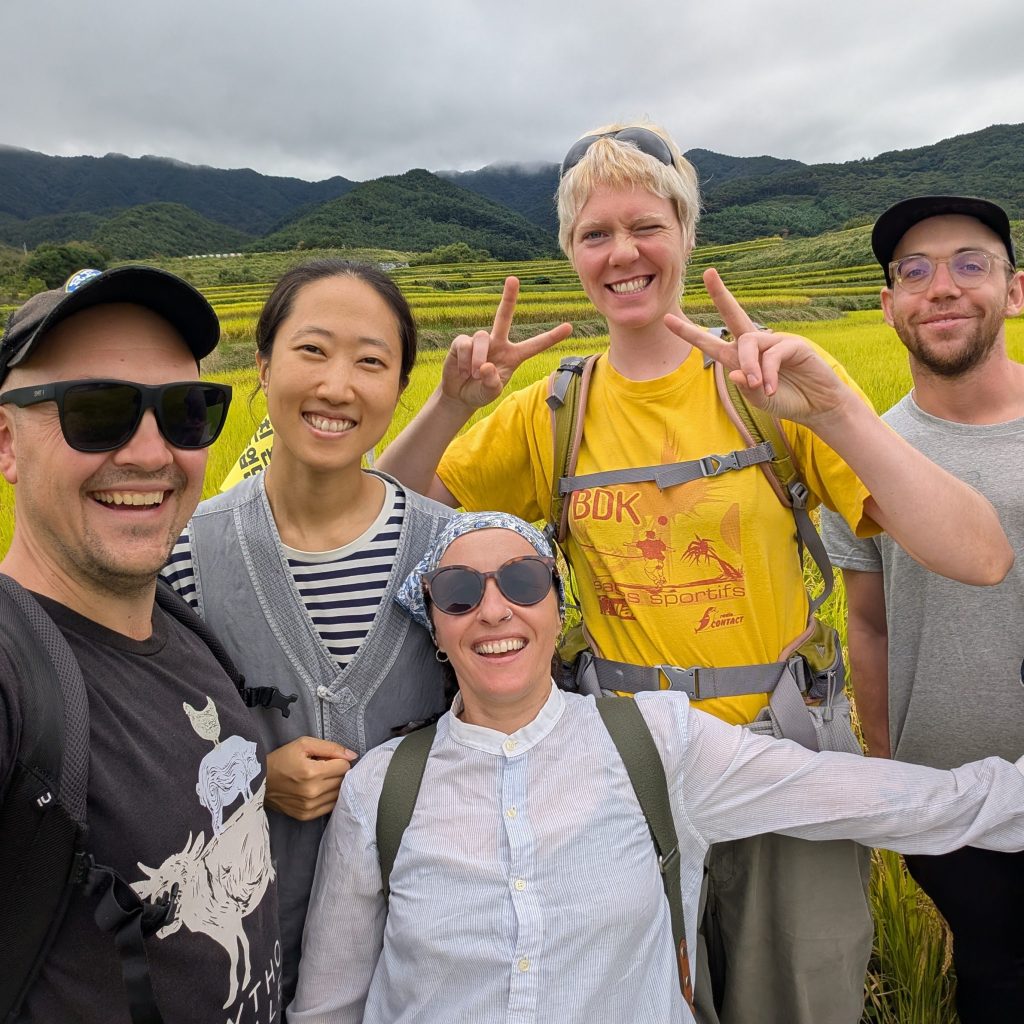
One thing I don’t love about conventional travel is how easily everyone gets funneled toward the same places. Search for what to do somewhere and you often get the same temples, viewpoints, restaurants, shopping streets, and photo spots repeated across hundreds of websites.
There’s nothing wrong with famous places. They’re often famous for a reason. But some of my favorite experiences abroad have been much smaller:
• A meal someone wanted me to try
• A local hike
• A tiny temple
• A neighborhood market
• A place to swim
• A festival
• A restaurant with no reason to appear in an English-language guide
• A friend of a host inviting me along somewhere
Those experiences feel less like consuming a destination and more like temporarily participating in it. That’s much closer to what I want from travel.
It Makes Long-Term Travel Affordable
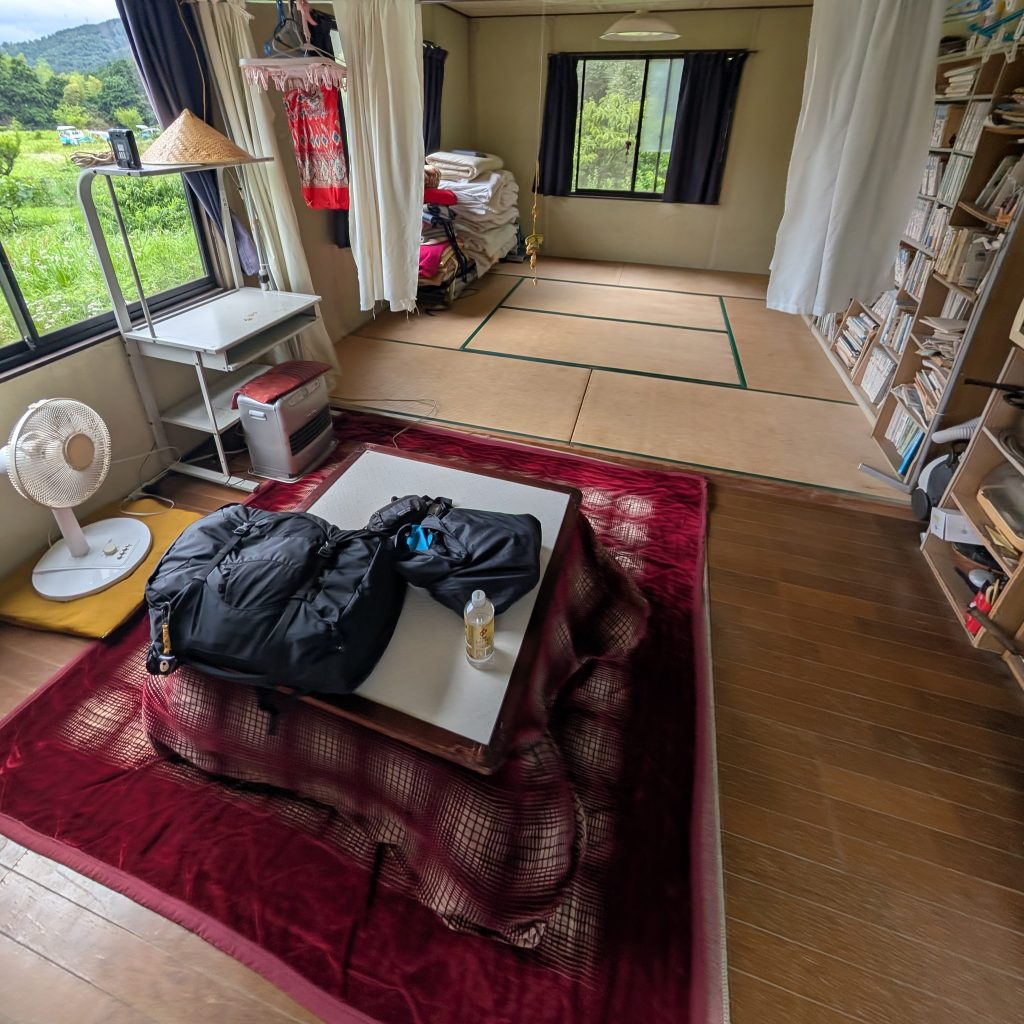
There is also a much less philosophical reason I keep WWOOFing: it’s cheap.
Long-term travel gets expensive quickly if every night requires paid accommodation and every meal comes from a restaurant. WWOOFing changes the economics. In exchange for work, I typically receive:
• A place to sleep
• Meals
• Access to a kitchen and ordinary household life
• Local knowledge
• A built-in social connection
• Something productive to do
That makes it possible for me to spend months in a country instead of rushing through it in a couple of weeks, and I think that extra time matters. A place looks different after a month than it does after three days.
Eventually you have bad weather and boring days. You develop routines, find the grocery store, learn the transportation system, get sick of one food and obsessed with another, and stop trying to maximize every day. You begin recognizing people, and sometimes they begin recognizing you. At some point, the place starts feeling less like a destination and a little more like a temporary home.
Cheap Does Not Mean Predictable
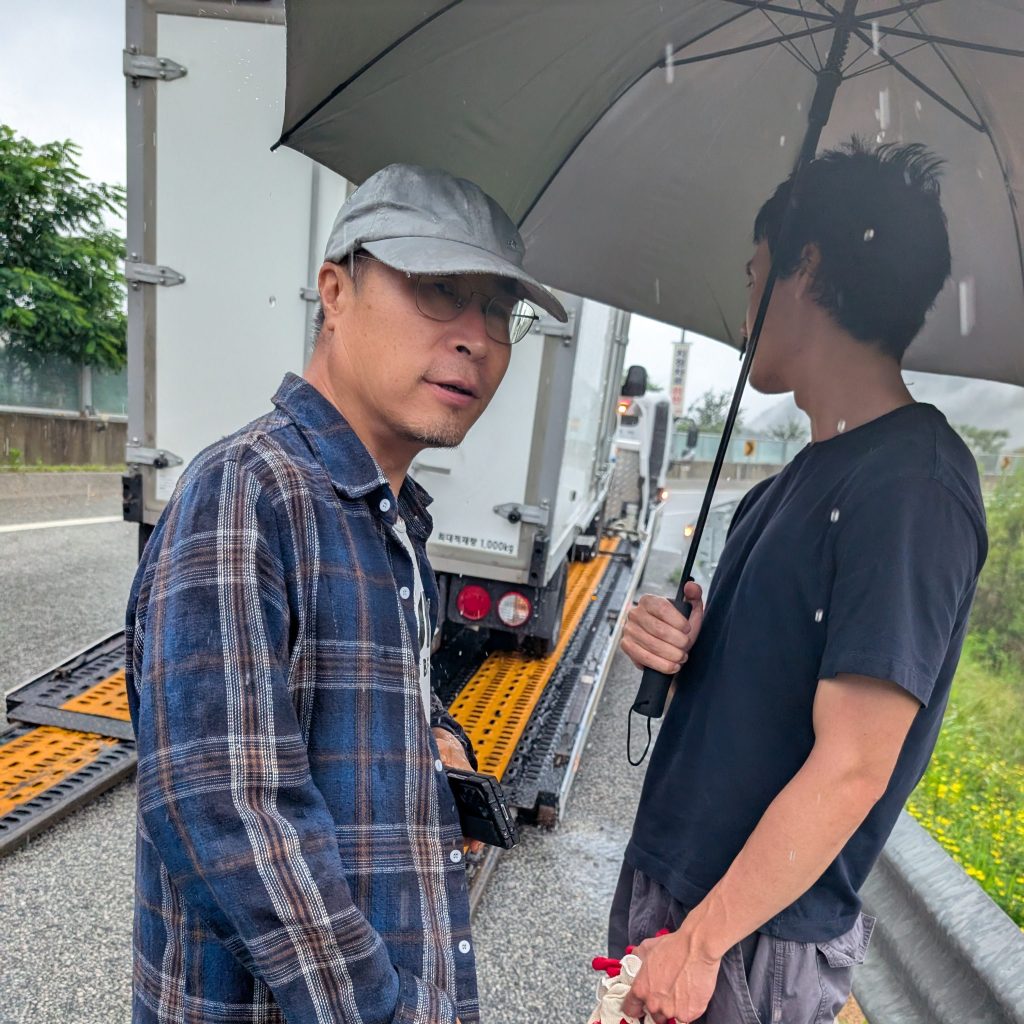
WWOOFing also keeps travel adventurous because you never quite know what you’re walking into.
Sometimes:
• The room is nicer than expected.
• There barely is a room.
• The work is fascinating.
• The work is incredibly repetitive.
• You immediately connect with your host.
• Communication is difficult.
• You end up on the side of a road with no fuel during a typhoon.
• You end up at a commercial farm.
• You end up at a homestead.
• You end up living at a Buddhist temple.
The days can also go in directions I never would have planned. I’ve gone from farm work to karate, streams, racetracks, mountain hikes, traditional markets, temples, and even ended up naked in a hot spring with people I had only just met.
That uncertainty is part of why I like it. I don’t want every part of travel optimized in advance. A little friction creates stories.
I Still Learn About Farming
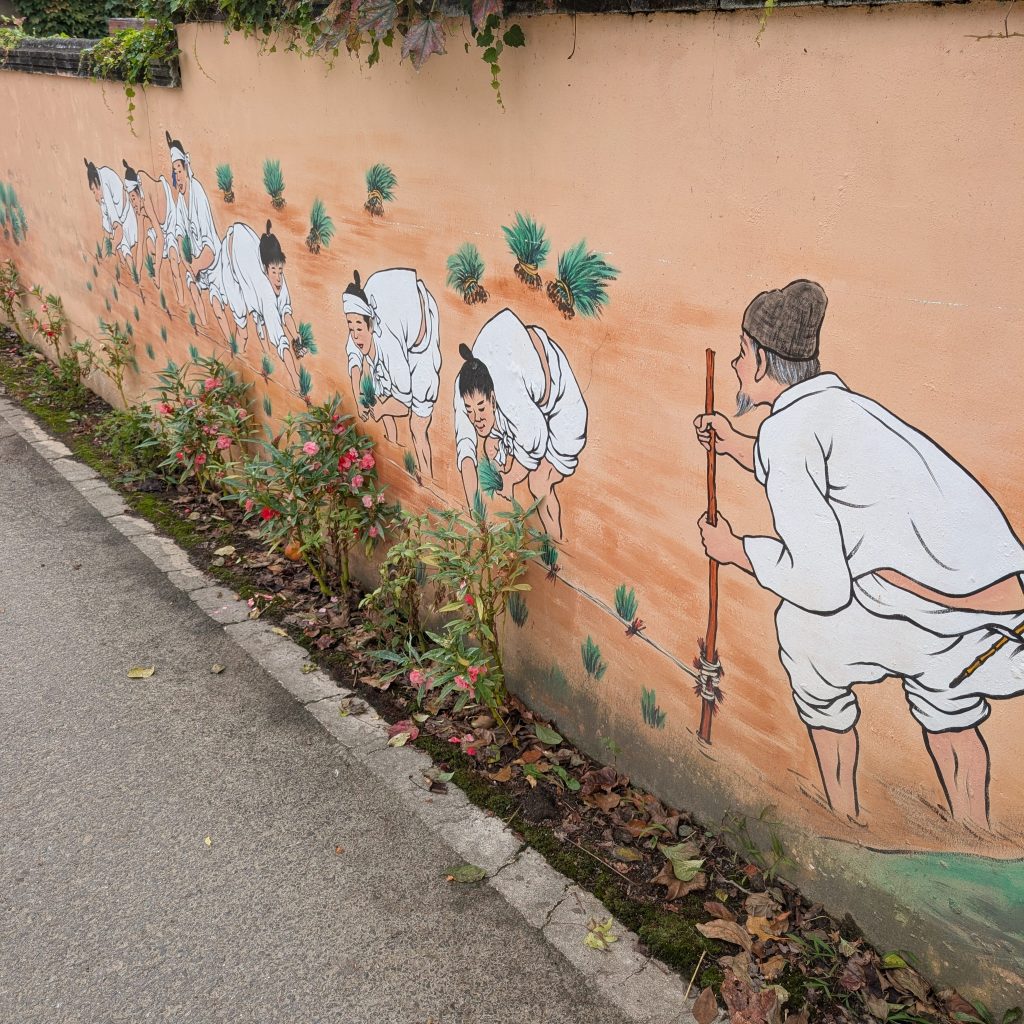
None of this means the farming itself is irrelevant. I’m still paying attention, and because I already have years of experience, I have a lot to compare against.
I notice:
• Tools
• Crop choices
• Field layouts
• Labor
• Irrigation
• Greenhouses
• Weed management
• Harvest practices
• Marketing
• Recordkeeping
• How farms solve recurring problems
I compare those systems with what I know from the United States and what I’ve now seen in Japan, Korea, and Taiwan. Sometimes I see something I would copy immediately; sometimes I see something I would never do. Sometimes a practice seems strange until I understand the conditions around it, and occasionally I can contribute something useful from my own experience in return.
That exchange is more interesting to me than simply collecting techniques. I’m not looking for a secret Asian method of farming that will solve every problem back home. I’m building a larger set of examples of how farmers solve similar problems under very different conditions.
So Why Keep Doing It?
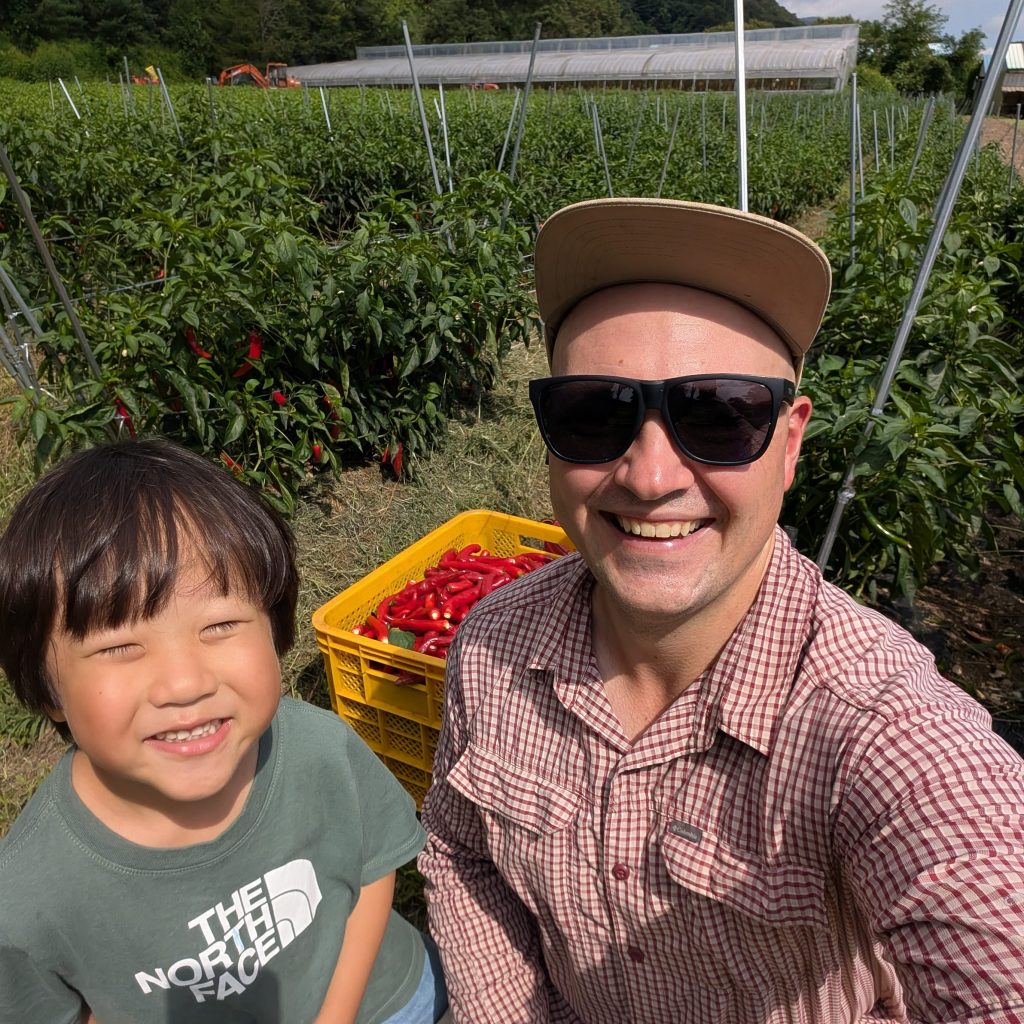
WWOOFing lets me travel in a way that matches what I already care about. I like rural places, farm work, eating with people, being useful, hearing how people actually speak, and seeing how ordinary households live. I like getting local recommendations instead of following tourist itineraries. I like traveling slowly, keeping costs low, and not knowing exactly what next week will look like.
I also like that agriculture gives me a common language even when the spoken language is difficult. I may not know how to say very much, but I understand what it means when rain is coming and something needs to get harvested.
I already know how to farm, and that may actually be part of why WWOOFing works so well for me. I don’t need every host to teach me the basics. Farming gives me something useful to contribute and a reason to become part of daily life for a little while.
The farm is the doorway. What I’m really there to learn is the place.