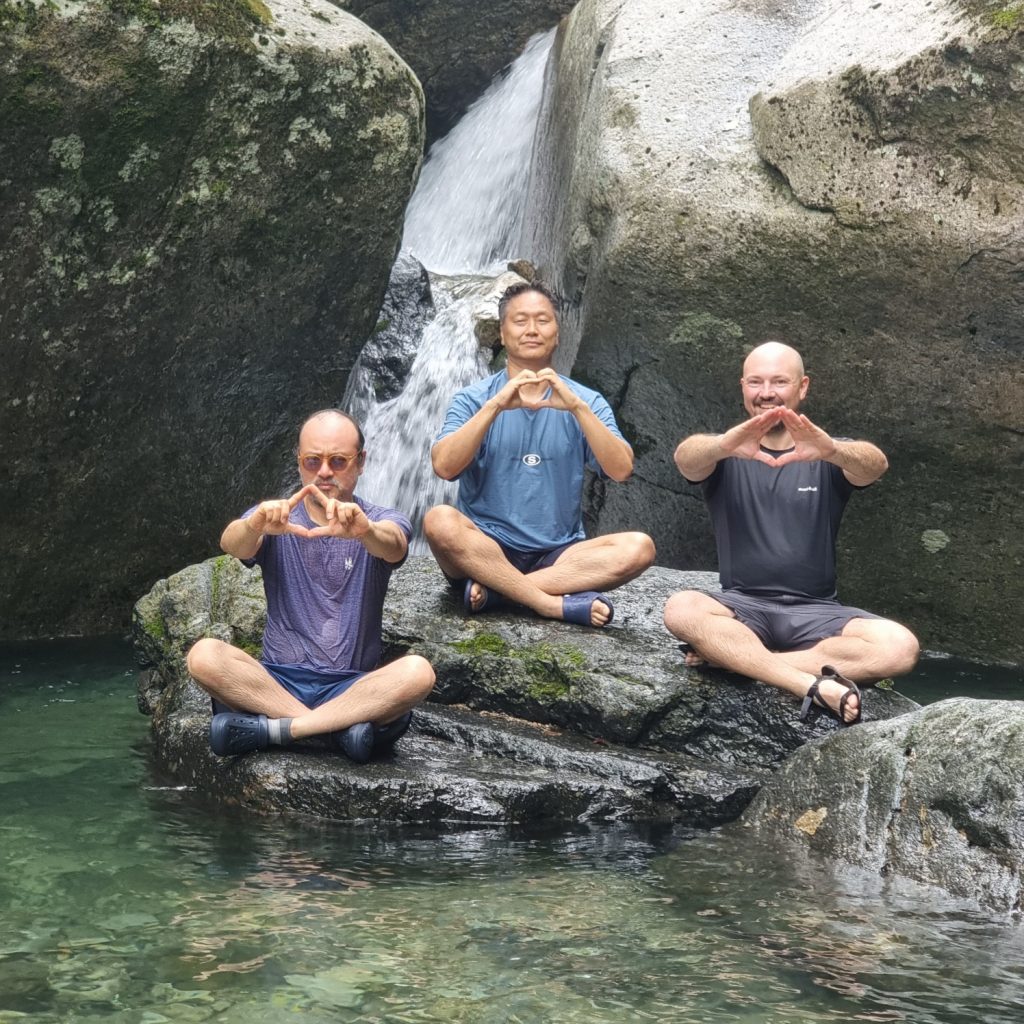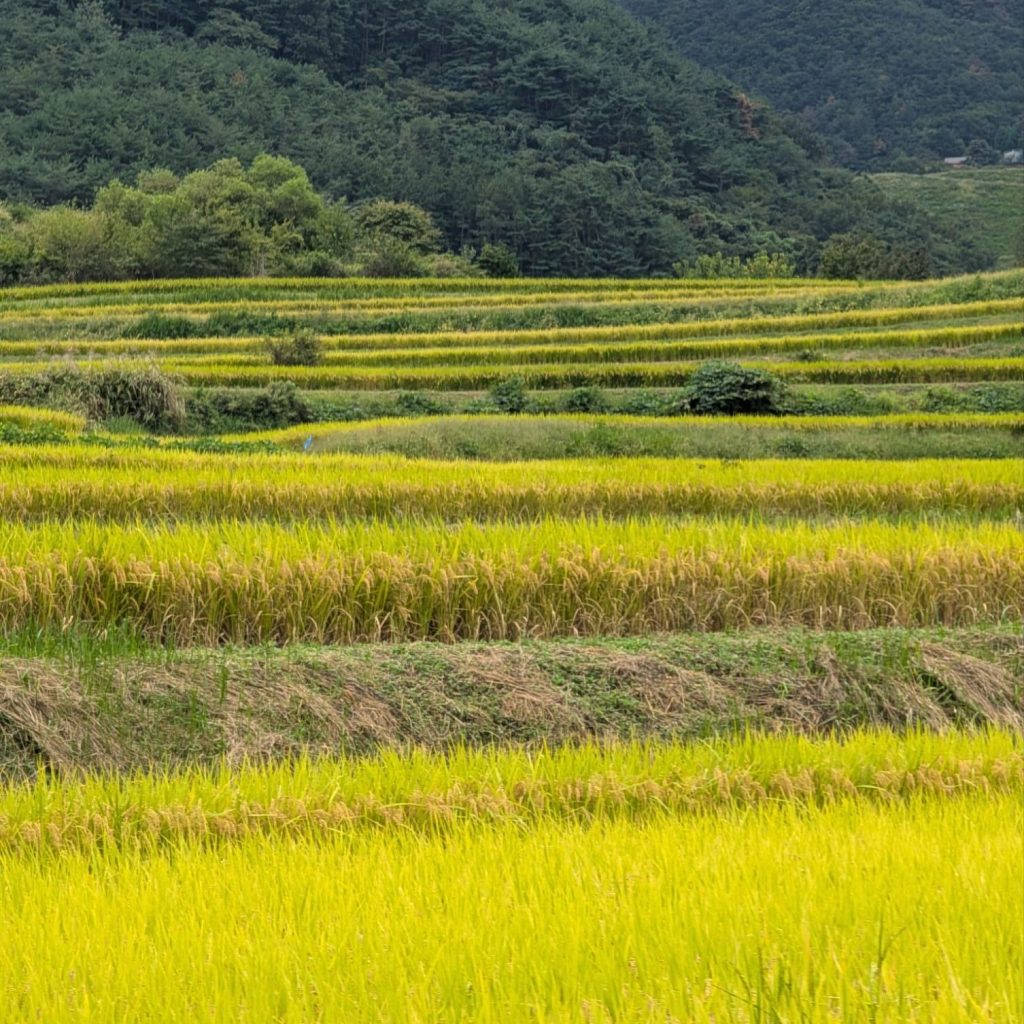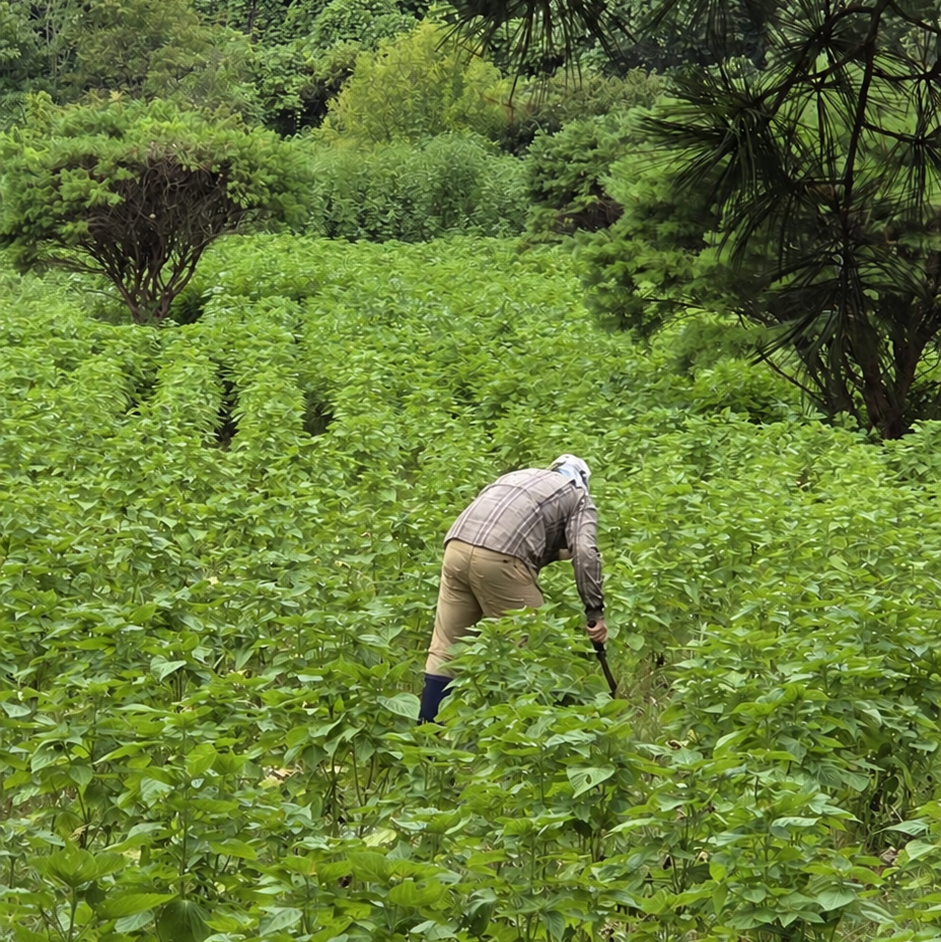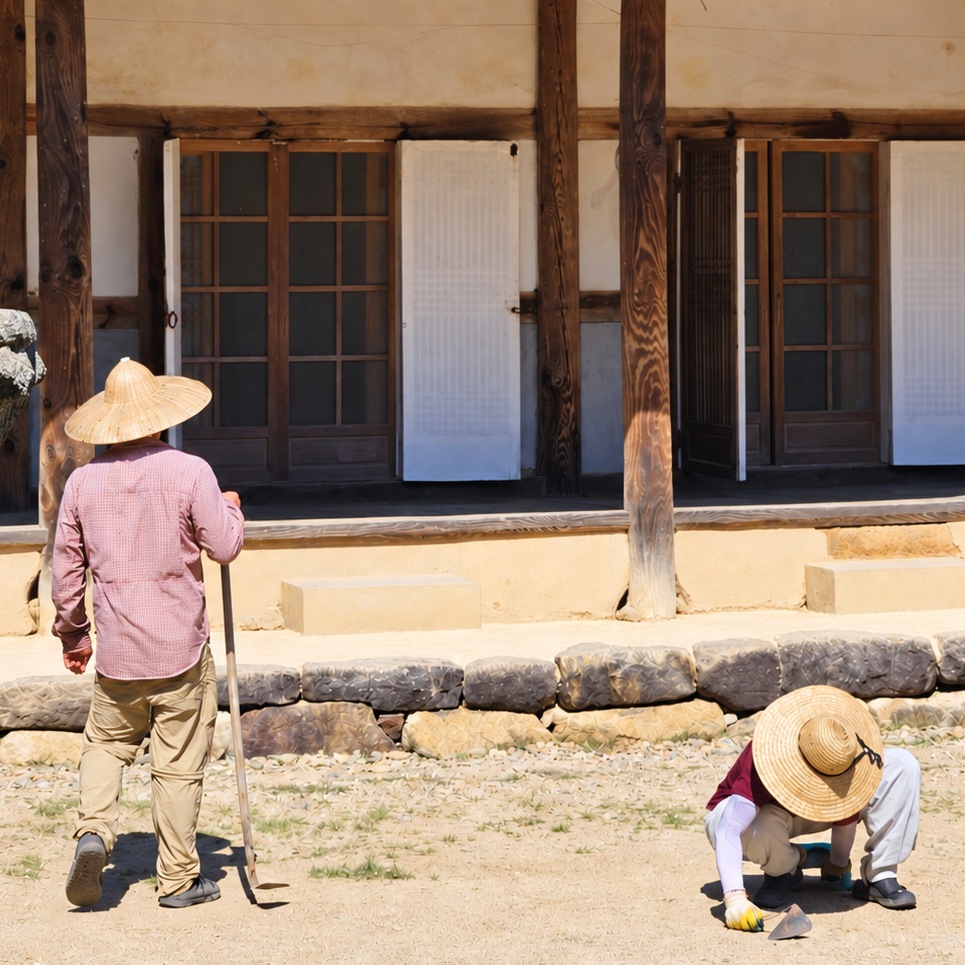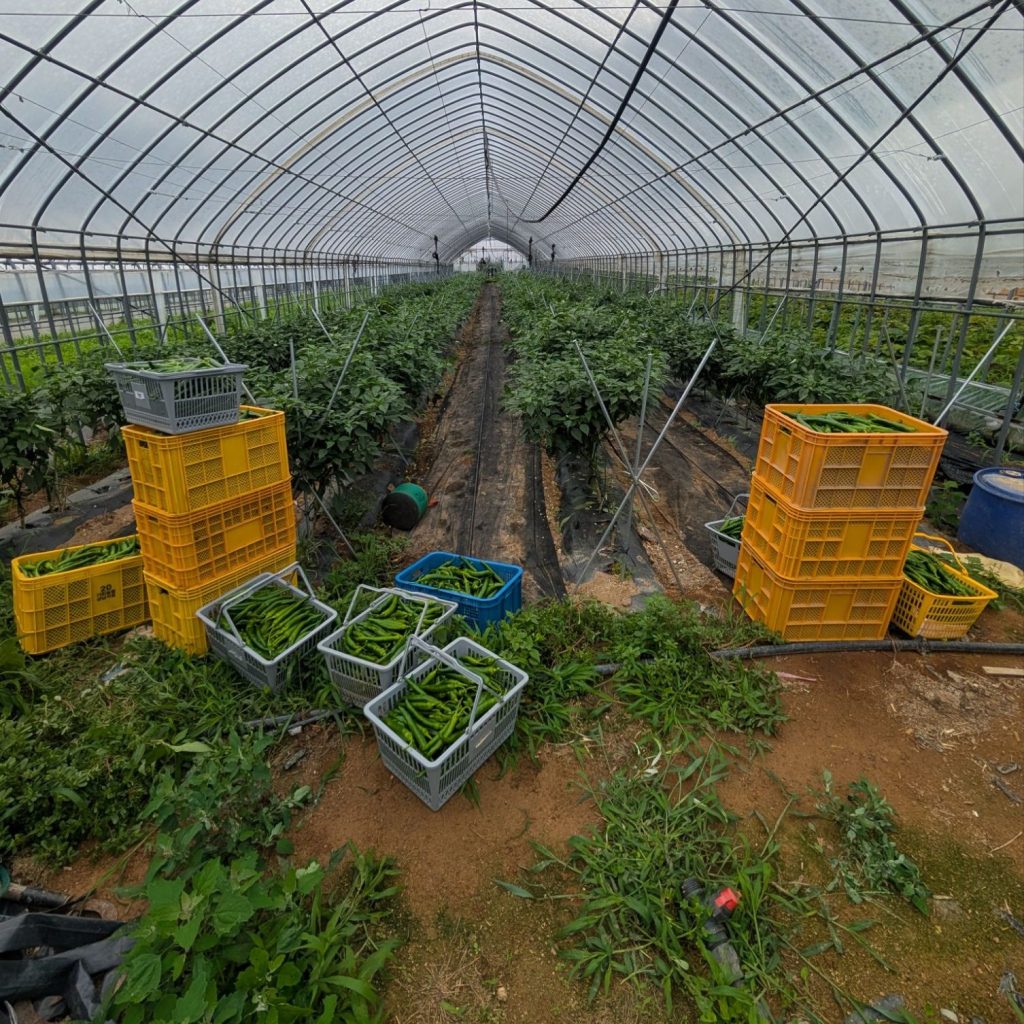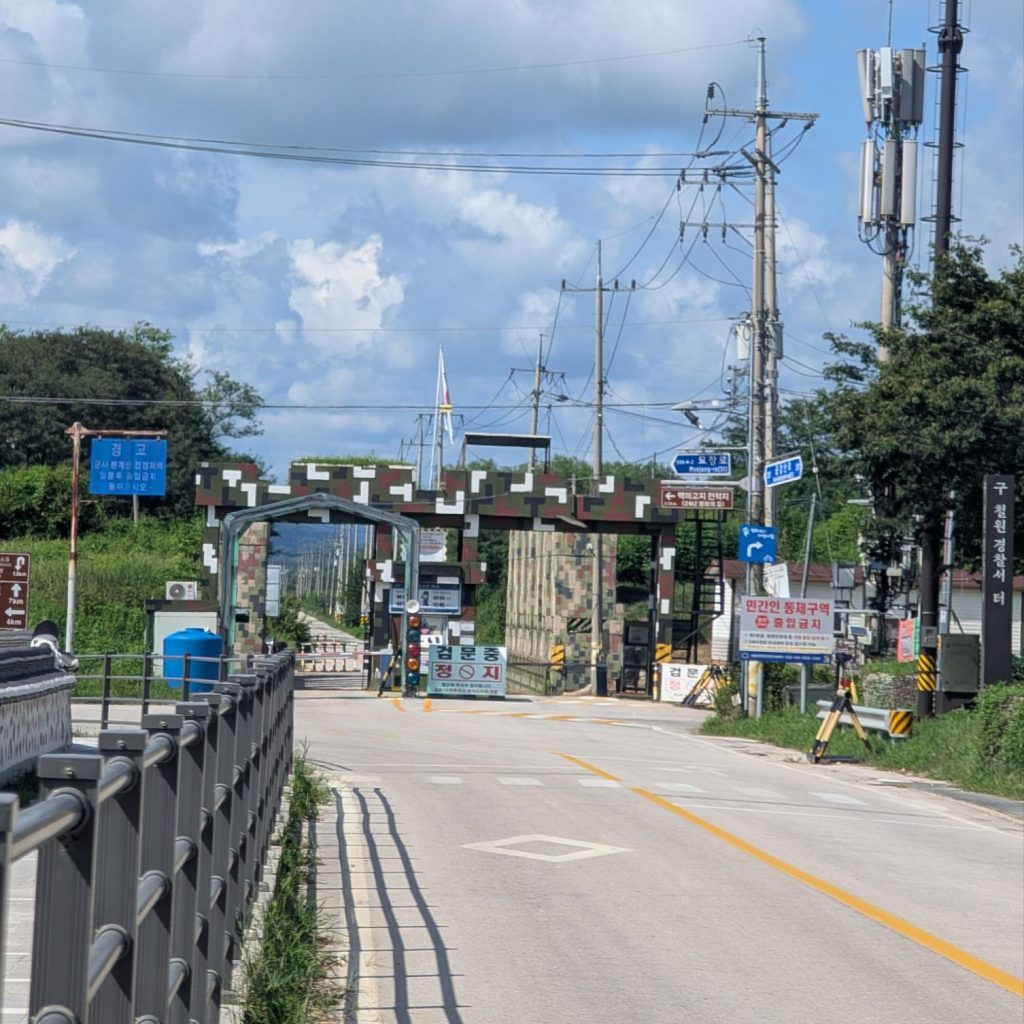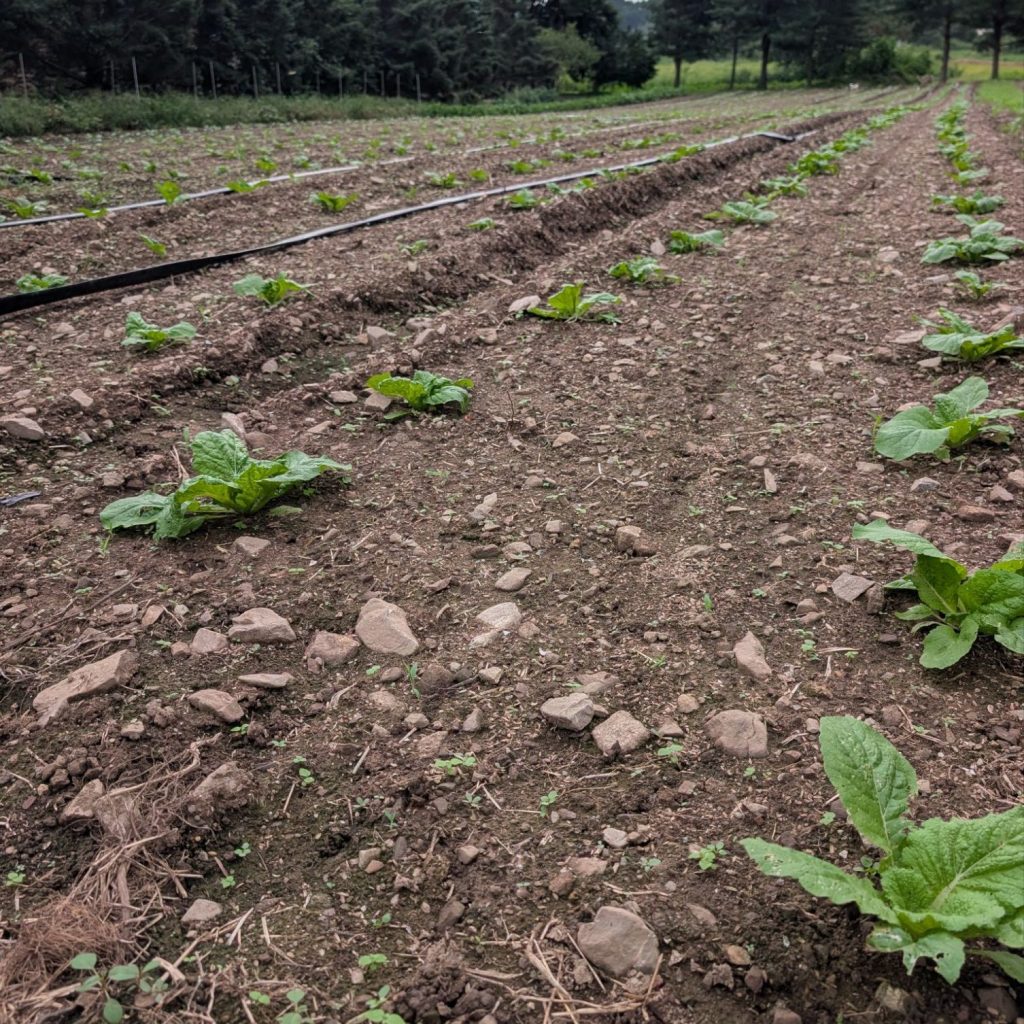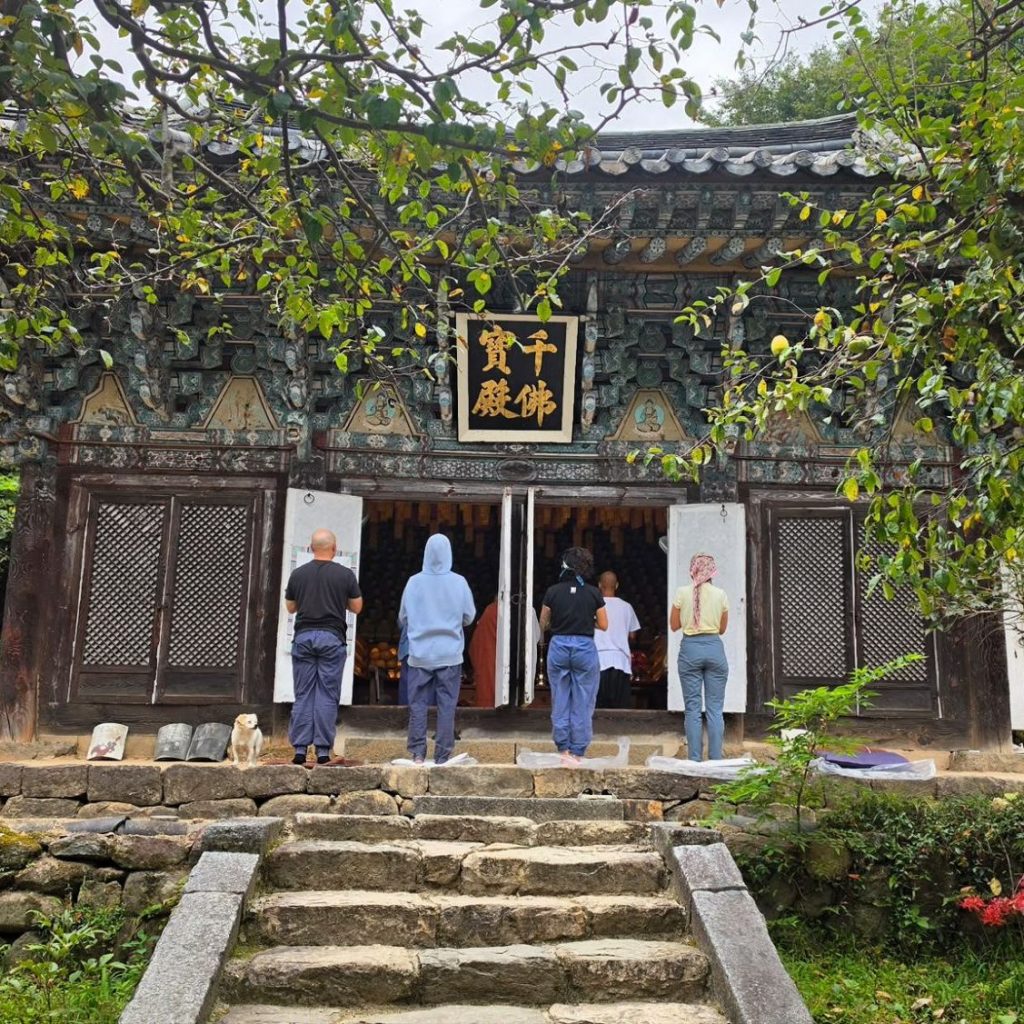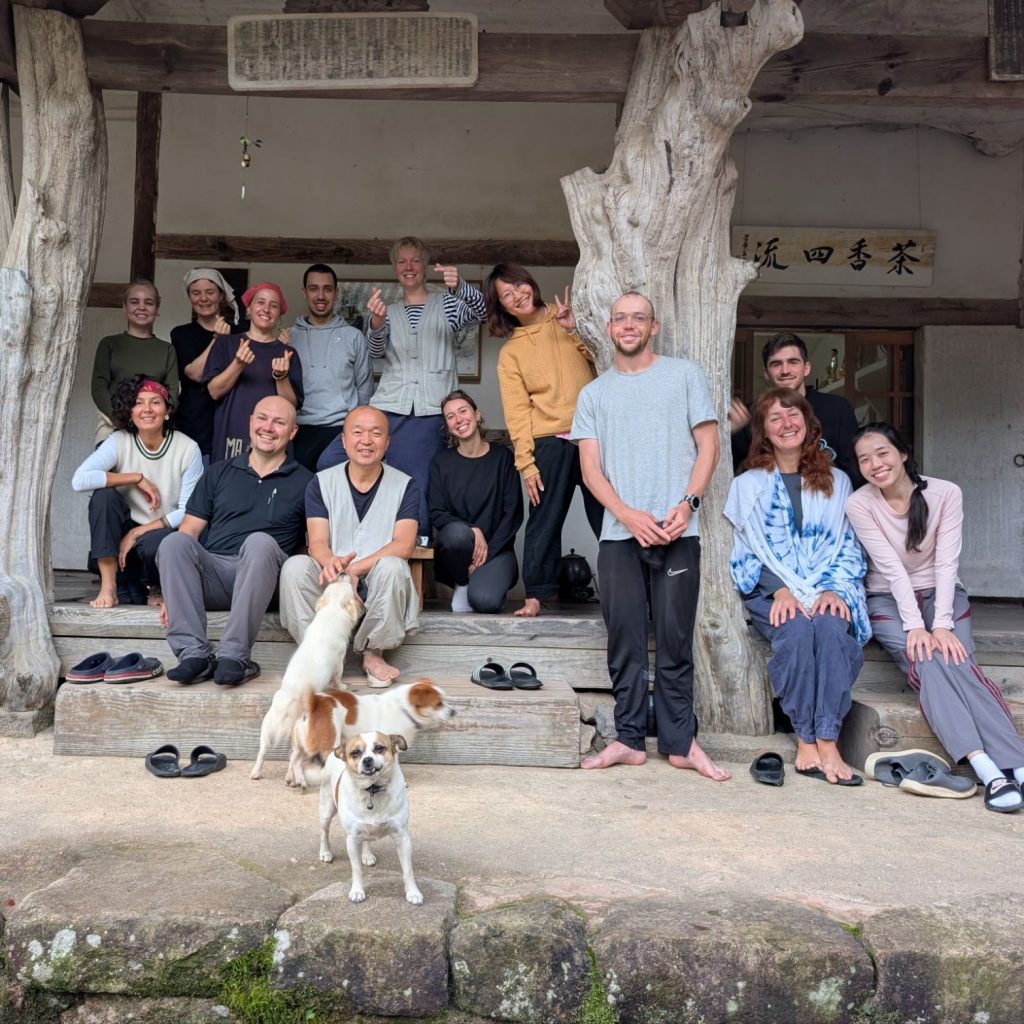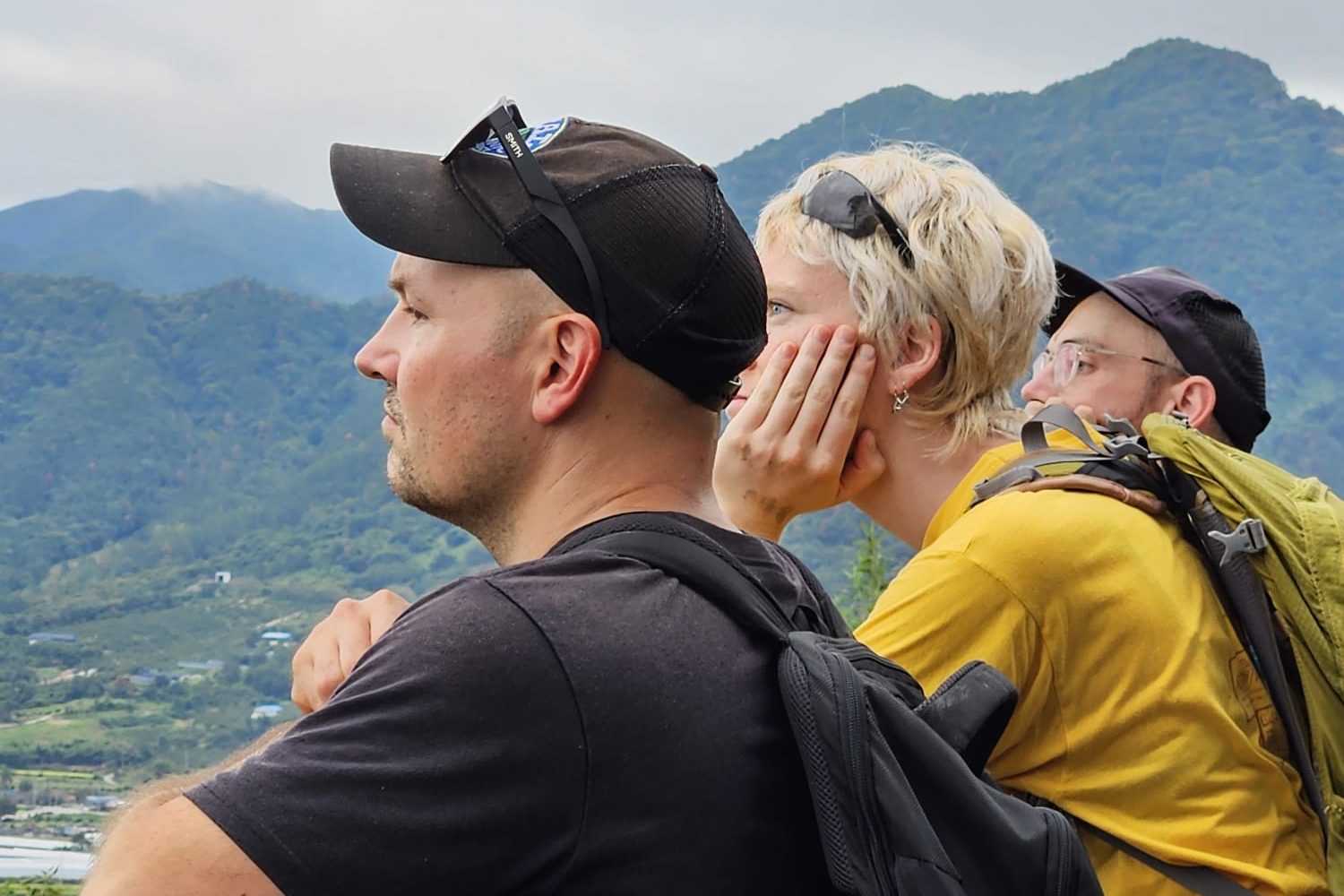
For most of the last decade, I assumed the direction of my life had a natural progression. I am a farmer, and although the details were sometimes hazy, having my own farm one day seemed like the ideal destination. I spent years building the skills I thought I would need: vegetable production, irrigation, hoop houses, equipment, crop planning, organic certification, record keeping, marketing, grants, and all the less glamorous systems that keep a small farm functioning.
There is a line from Wendell Berry’s The Unsettling of America that has stuck with me for years:
“No farther. This is the place.”
I’ve always found that idea deeply appealing: to stop looking perpetually over the horizon, choose a place, learn it deeply, take responsibility for it, and build a life there.
And right now I’m doing almost exactly the opposite.
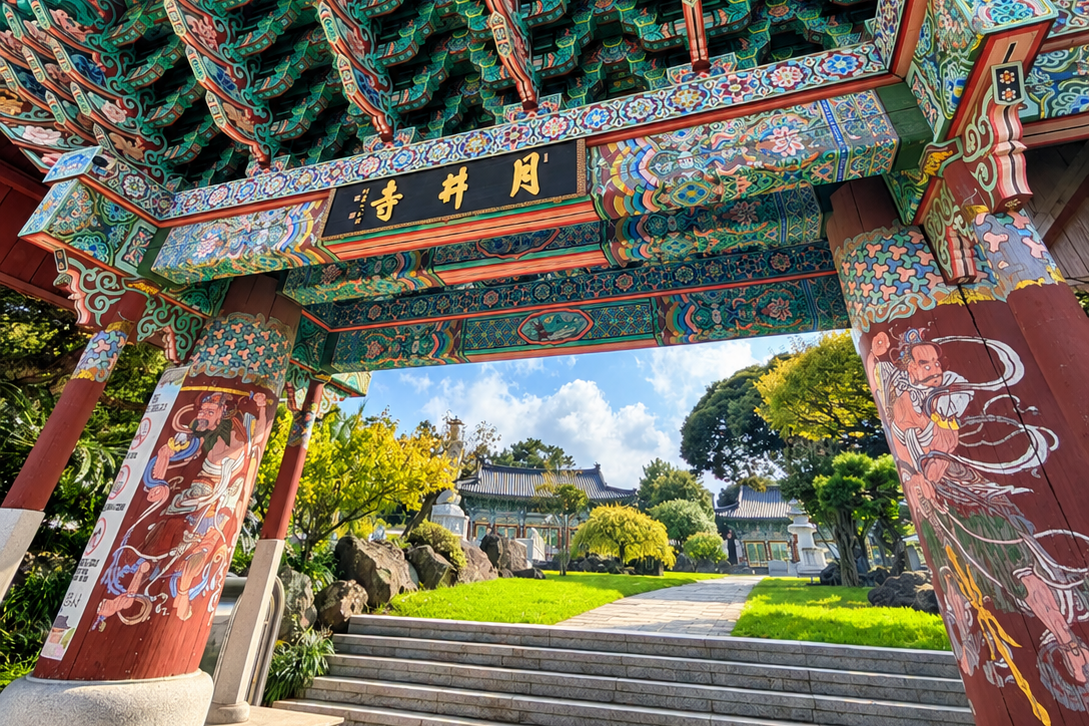
After spending months moving between farms in Japan, Korea, and Taiwan, I’m less certain than I’ve ever been that owning my own farm is what I actually want.
That creates some conflict for me, because I haven’t fallen out of love with farming. I haven’t even stopped farming. If anything, I’m more certain that agriculture needs to remain a major part of my life.
What I’m less certain about is whether being a farmer necessarily means putting down roots on one farm.
WWOOFing Has Shown Me Another Version of Agricultural Life
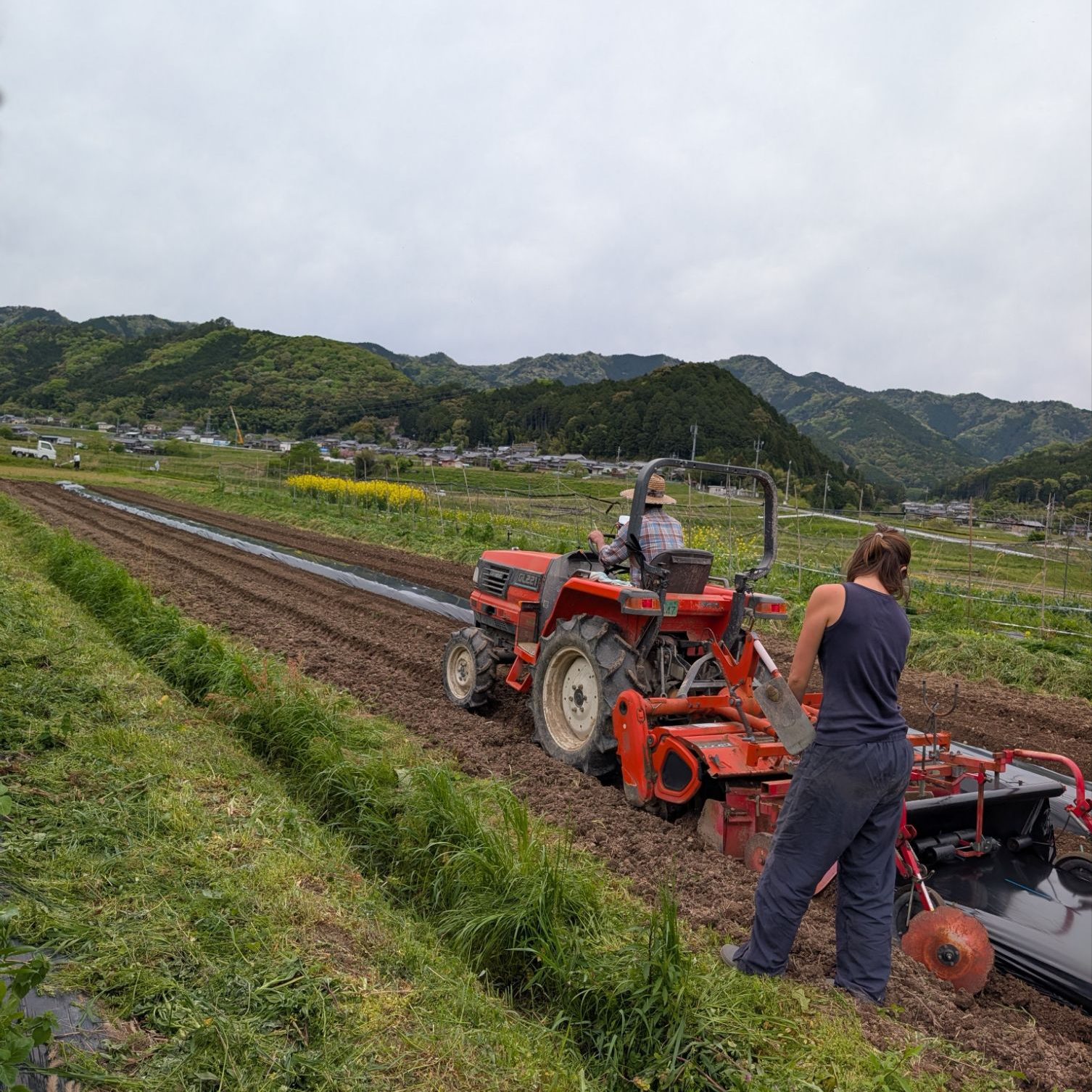
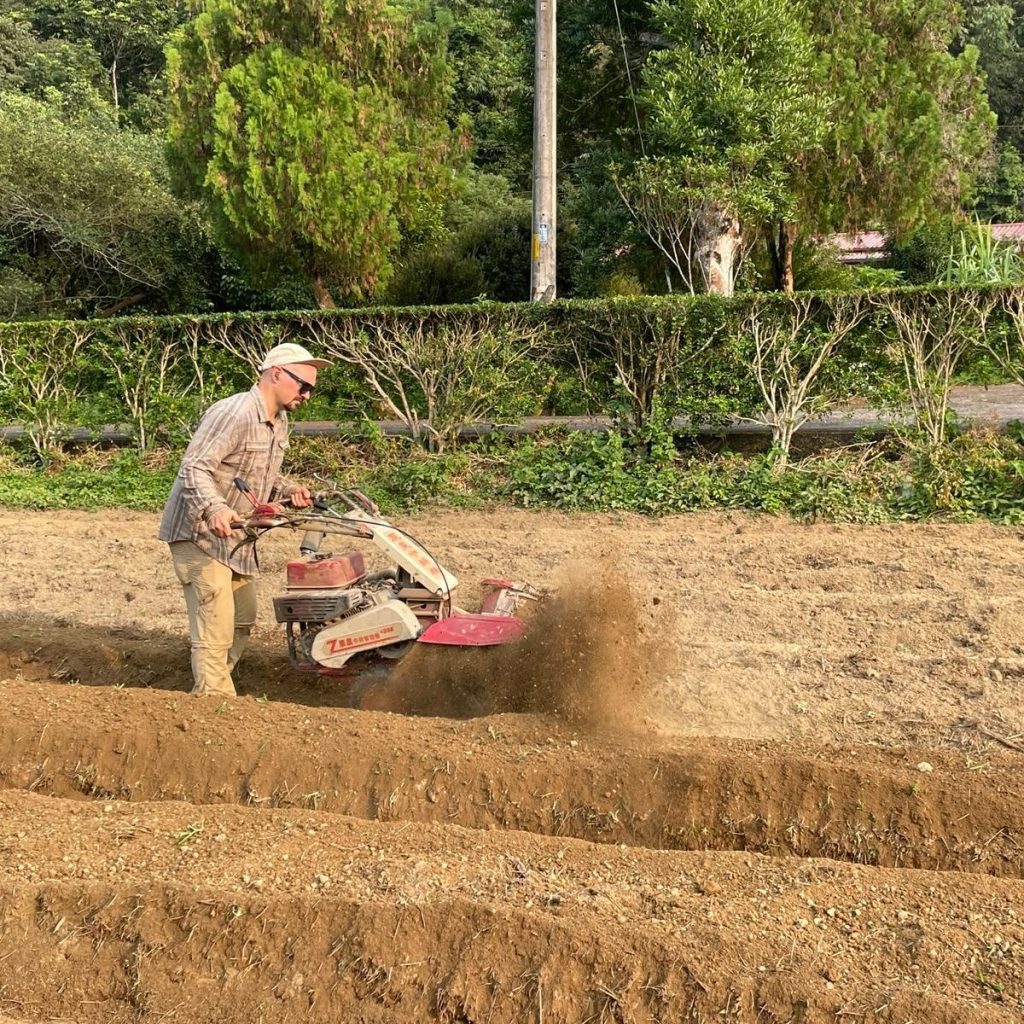
One of the unexpected pleasures of WWOOFing has been entering a farm, becoming useful relatively quickly, learning how the operation works, contributing something, and eventually moving on. That is obviously very different from building a relationship with one piece of land over twenty years, but it has its own appeal.
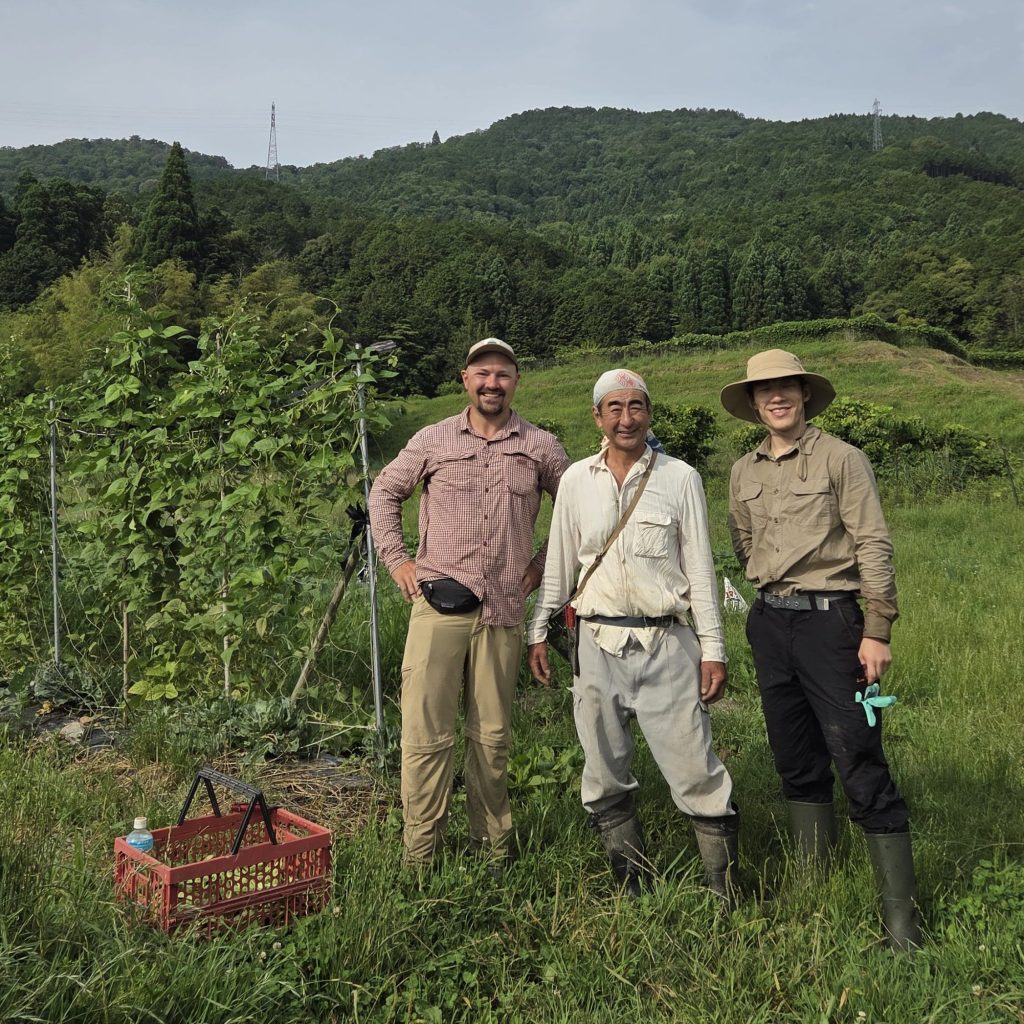
Over the last several months, I’ve worked with unfamiliar crops, tools, climates, and production systems. I’ve lived with farm families, watched similar problems get solved in very different ways, taught techniques I already knew, and learned things I had never encountered before. Agriculture has become the thread connecting travel, cultural exchange, language study, and ordinary daily life.
I like being experienced enough to contribute while still being new enough to pay attention. There is something energizing about walking onto a new farm and trying to understand it. Where does the water come from? What is limiting production? Which jobs consume too much labor? What keeps breaking? What does this farmer care about? What are they unusually good at?
I find myself constantly asking what I can learn and where I can help. That curiosity may be telling me something about the kind of agricultural life that suits me.
Rethinking How I Contribute
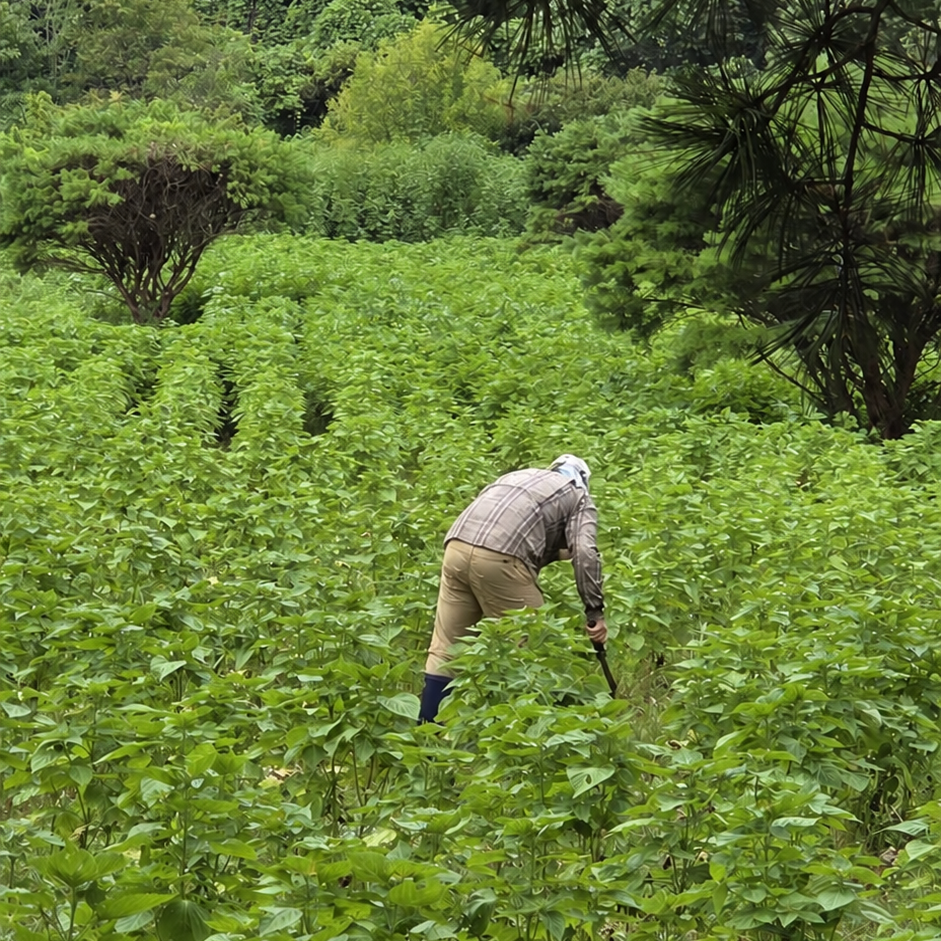
I’ve always valued autonomy, and part of wanting my own farm was wanting control over my work. But I’m realizing that autonomy doesn’t necessarily require controlling an entire operation. What I seem to enjoy most is having enough experience and independence to solve meaningful problems.
Sometimes that means helping redesign an irrigation system or improve a workflow. Sometimes it means building a hoop house, troubleshooting equipment, helping a beginning farmer think through a production problem, writing a grant, or building a spreadsheet or website that saves somebody time. Those things can look unrelated from the outside, but to me they all feel like variations of the same work: understanding a problem and making the farm function better.
For a while, I thought of consulting and technical work as things I might do to support farming financially. I’m beginning to think that may be backwards. Perhaps those things are themselves ways of participating in agriculture.
My background now combines farming, software development, infrastructure, organic certification, grants, websites, mentoring, and international farm experience. Put together, they suggest a role I find increasingly interesting: someone farmers can call when there is a messy problem that doesn’t fit neatly into one category.
I think I care more about being useful than being in charge.
And if I can help several farms solve meaningful problems without carrying every responsibility of owning one myself, I’m no longer sure I should see that as something secondary to “real” farming.
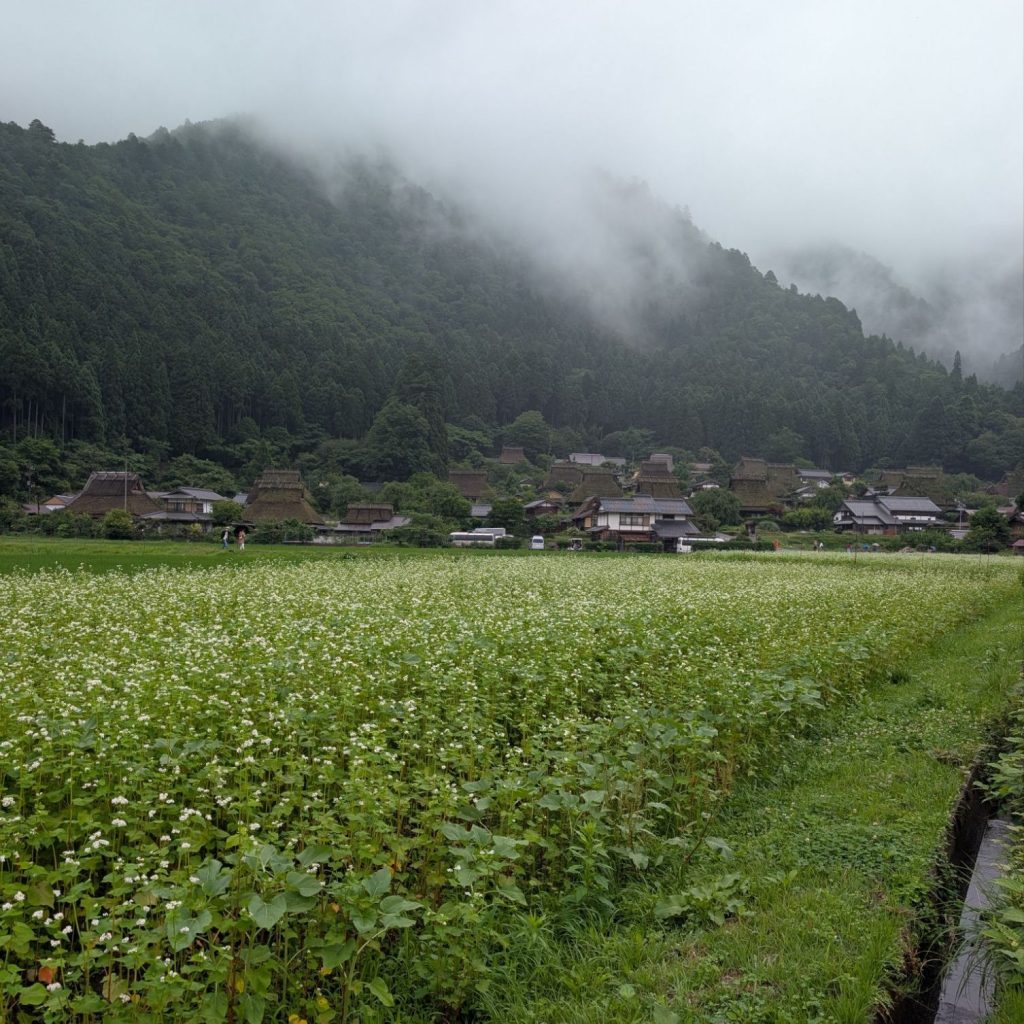
The Part Berry Makes Difficult
This is where I can’t completely dismiss that line: “No farther. This is the place.”
There are things movement simply cannot give me.
I can arrive at a farm and understand a lot fairly quickly, but I don’t know that place the way somebody knows it after twenty seasons. I didn’t build the soil. I don’t remember when that tree was planted or what happened in that field ten years ago. I won’t necessarily be there to find out whether a decision that looks good today still looks good five years from now.
Farming rewards staying. Over time you learn where water sits after a storm, where certain weeds always return, which ground warms first in spring, and how the soil responds to years of management. Eventually the place carries a history that includes you.
There is a depth of knowledge—and responsibility—that only comes from remaining somewhere long enough to acquire it. That matters to me.
I also don’t want to turn mobility into another version of constantly believing that whatever is over the next hill must be better. There will always be another country, another farm, another language, another interesting person, and another possibility. At some point, choosing one thing means giving up the others.
That is the part of Berry’s argument that bothers me in a productive way. I can see the value of being deeply rooted precisely because I am currently enjoying the opposite.
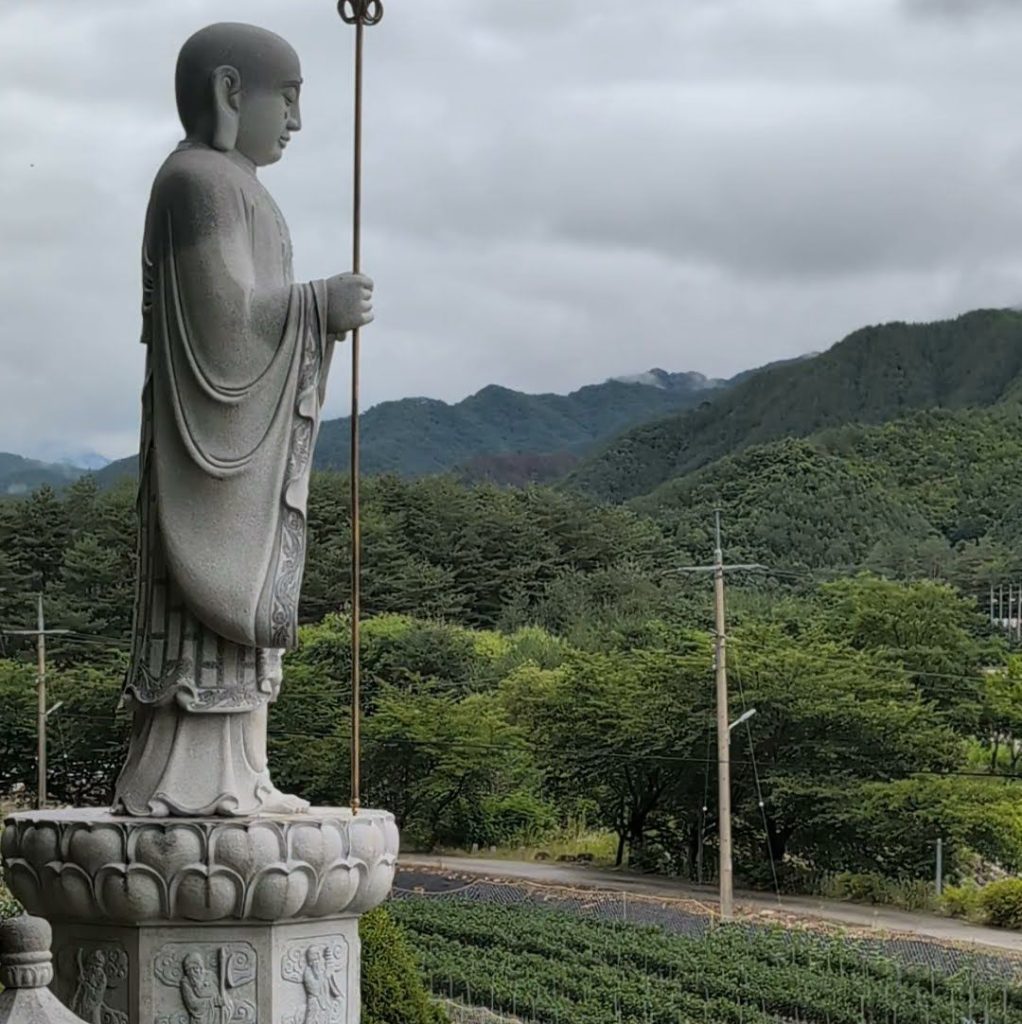
But I’m Not Ready to Stop Moving Yet
At the same time, I like what movement is giving me right now. More specifically, I like living temporarily in rural places.
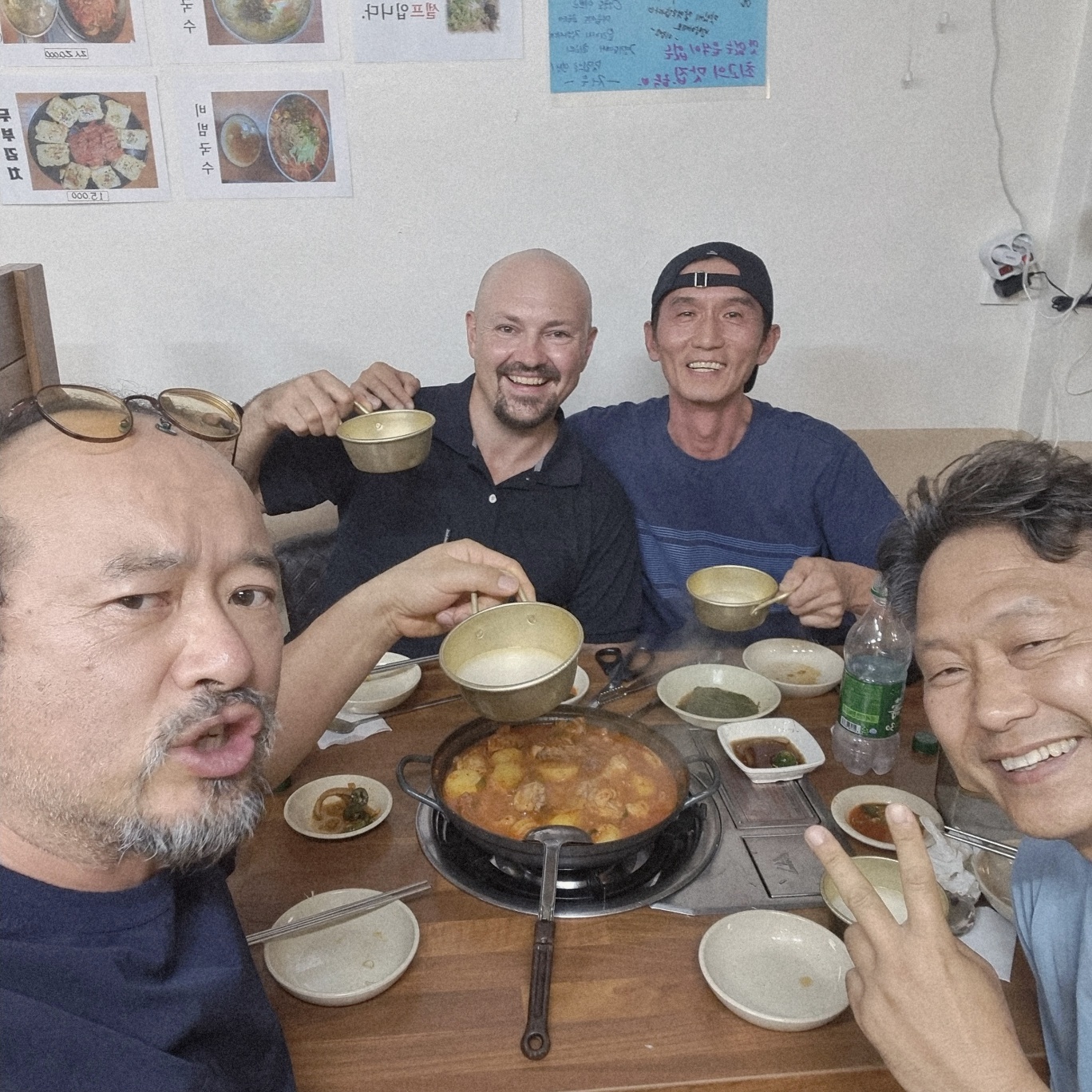
I like staying somewhere long enough to develop routines instead of simply passing through. I like working with people, eating with families, hearing their stories, learning bits of language, and seeing how agriculture changes with climate, cuisine, labor, and culture. I like being shown places that would never appear on a tourist itinerary and slowly becoming useful somewhere that was completely unfamiliar a few weeks earlier.
Importantly, I’m not sacrificing farming to do those things. The farming is what makes much of it possible.
That has been a major change in how I think about my future. I used to imagine mobility and farming as competing desires, but over the last several months I’ve discovered that they don’t necessarily have to be. A farm of my own would give me roots; this life lets me keep farming while moving between places, people, cultures, and agricultural systems.
Right now, I’m not ready to trade that for permanence.
There may be a version of my life that moves seasonally between different kinds of work: an intensive period on a farm, a stretch of consulting or technical work, some time abroad, and then another growing season somewhere else.
A few years ago, that would have sounded unfocused to me.
Now it sounds increasingly coherent.
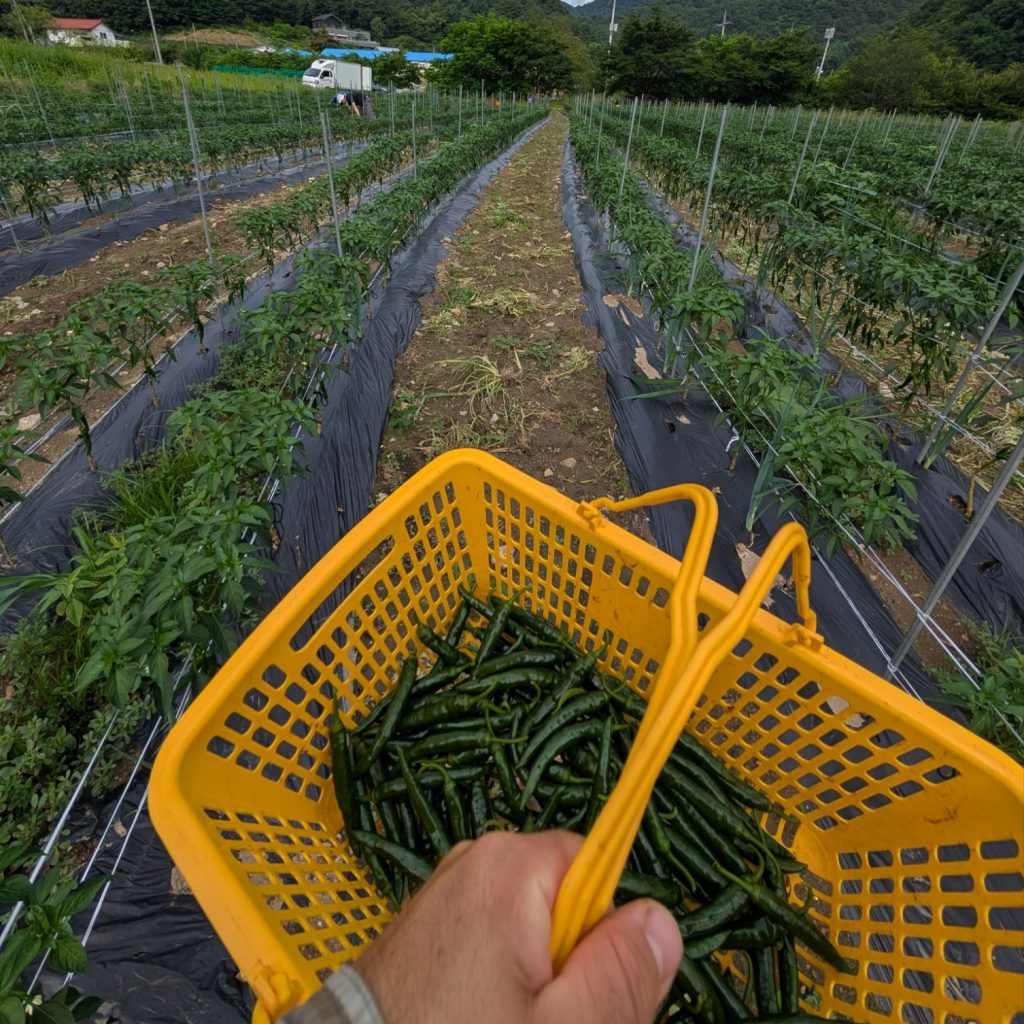
I Haven’t Given Up on the Farm
None of this means I’ve decided that I will never own land.
I still imagine it sometimes: a small place with good soil, enough infrastructure to work efficiently, a greenhouse, a workshop, and maybe an acre or two of serious production. I still want the experience of knowing one piece of land deeply and watching the consequences of my decisions accumulate over years.
What has changed is that I no longer need that image to be the inevitable conclusion of my life as a farmer.
I don’t need my name on the deed to prove that I became a “real” farmer. I already am one.
If my future involves helping ten farms instead of owning one, I’m starting to think that could be just as legitimate. Maybe even more interesting, at least for me.
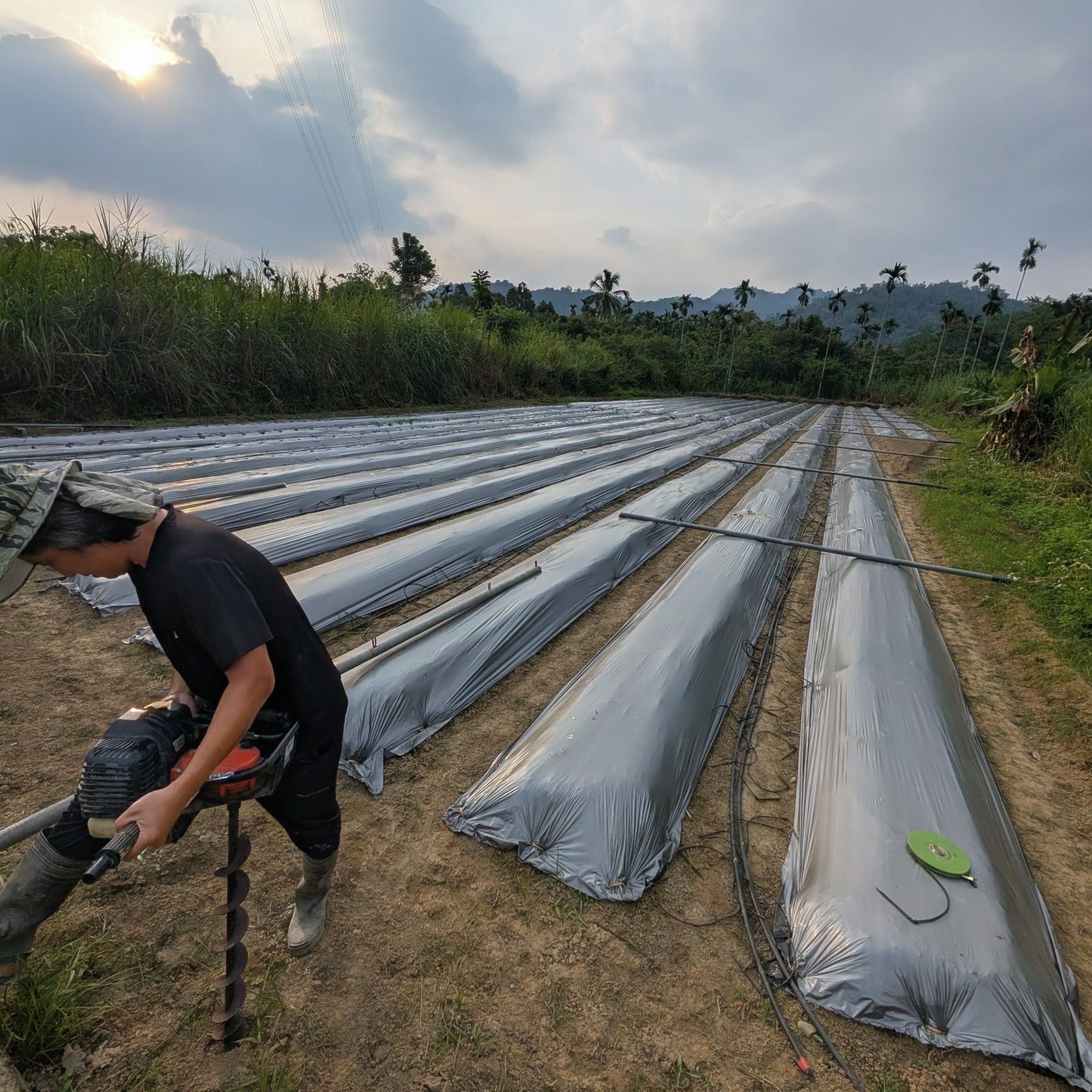
The Dream Changed Shape
For a long time, I thought owning a farm was the destination.
Now I’m starting to think farming may be the constant while the form around it changes.
I still want agriculture, rural communities, physical work, and meaningful problems in my life. I want enough independence to choose work I believe matters, and I want to keep learning from people who farm differently than I do. At least for now, I also want enough freedom to keep moving.
Maybe someday I’ll reach a place and know:
No farther. This is the place.
I’m just not there yet.