

I have spent more than a decade farming, so when I tell people that I’m traveling through Asia by living and working on farms, there is an obvious question: Why?
I’m not doing it because I need someone to teach me how to weed a row, transplant seedlings, run irrigation, harvest vegetables, or survive a long day outside. I already know how to farm.
That turns out not to be the point.
What keeps me coming back to farms is that agriculture gives me a way into something I care about even more than agricultural technique: the life of a place.
Working Changes How I See a Place
Despite my Las Vegas roots, I prefer the country. Cities can be interesting, but I don’t really want to spend months moving from landmark to landmark, sleeping in hotels, eating every meal in a restaurant, and observing a place from the outside.
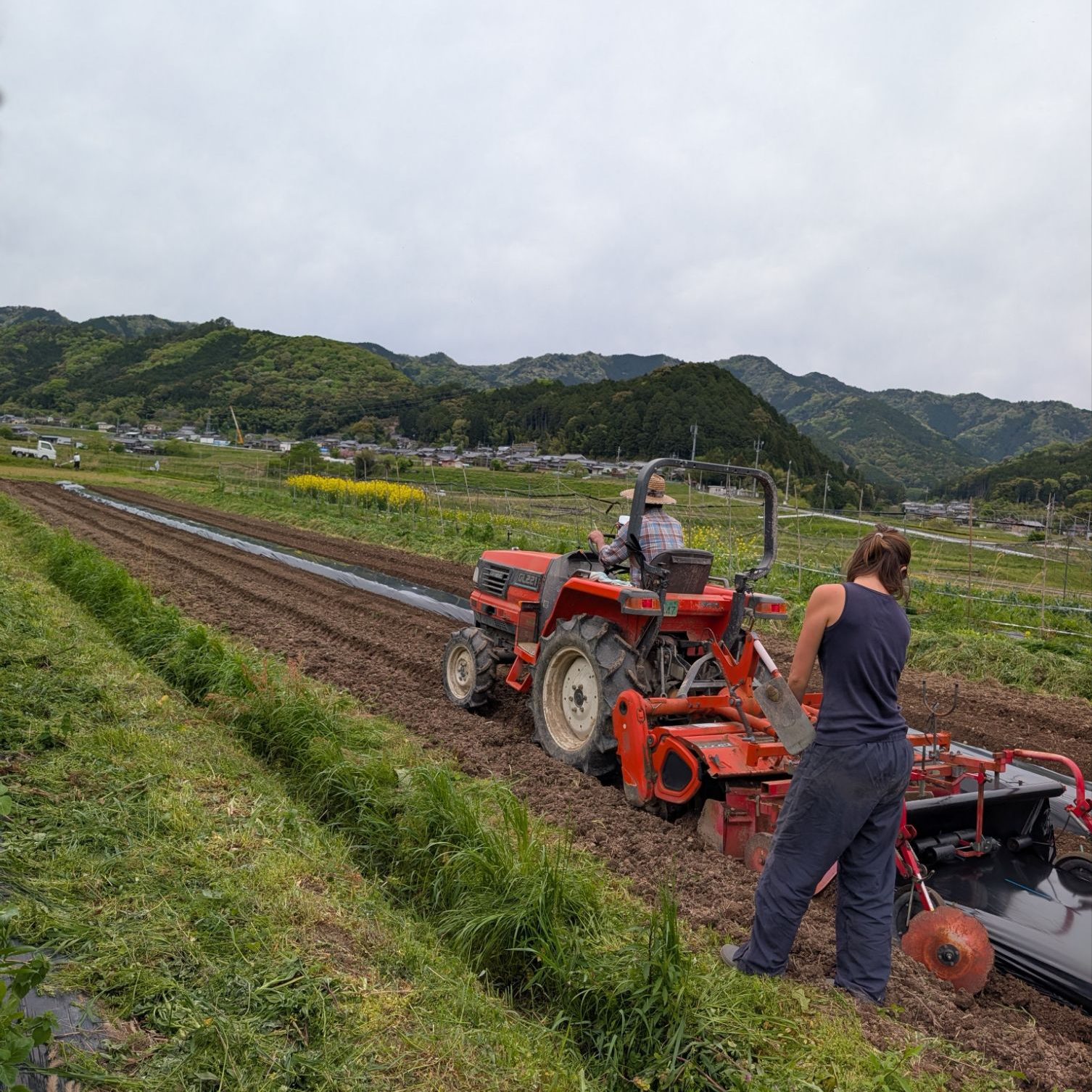
I want to know what ordinary life feels like. Working on a farm changes the way I enter a place. I’m not only looking at the landscape; I’m participating in it.
I start learning where the water comes from, what grows well, what the weather does, when people eat, how the workday is structured, which jobs everyone hates, and what has to get done before rain. I learn which roads farmers actually use, where supplies come from, which crops matter locally, and how much of rural life revolves around things tourists rarely notice. The landscape stops being scenery and becomes something people are working with every day.
Food Begins With Place
Part of my attraction to agriculture is that it sits very close to the root of settled life.
Human culture existed long before farming, of course. But once people began producing enough food to support large, specialized societies, agriculture became deeply entangled with almost everything that followed: towns, trade, religion, craft, politics, cuisine, and eventually the modern industries that seem completely removed from a field.
You can still see those connections when you spend time on farms.
The crops tell you what people eat, and the food reflects climate, preservation, history, and taste. Machinery tells you something about labor, while the size of farms reveals something about the availability and value of land. Even the age of the people doing the work can tell you something about what is happening to rural communities.
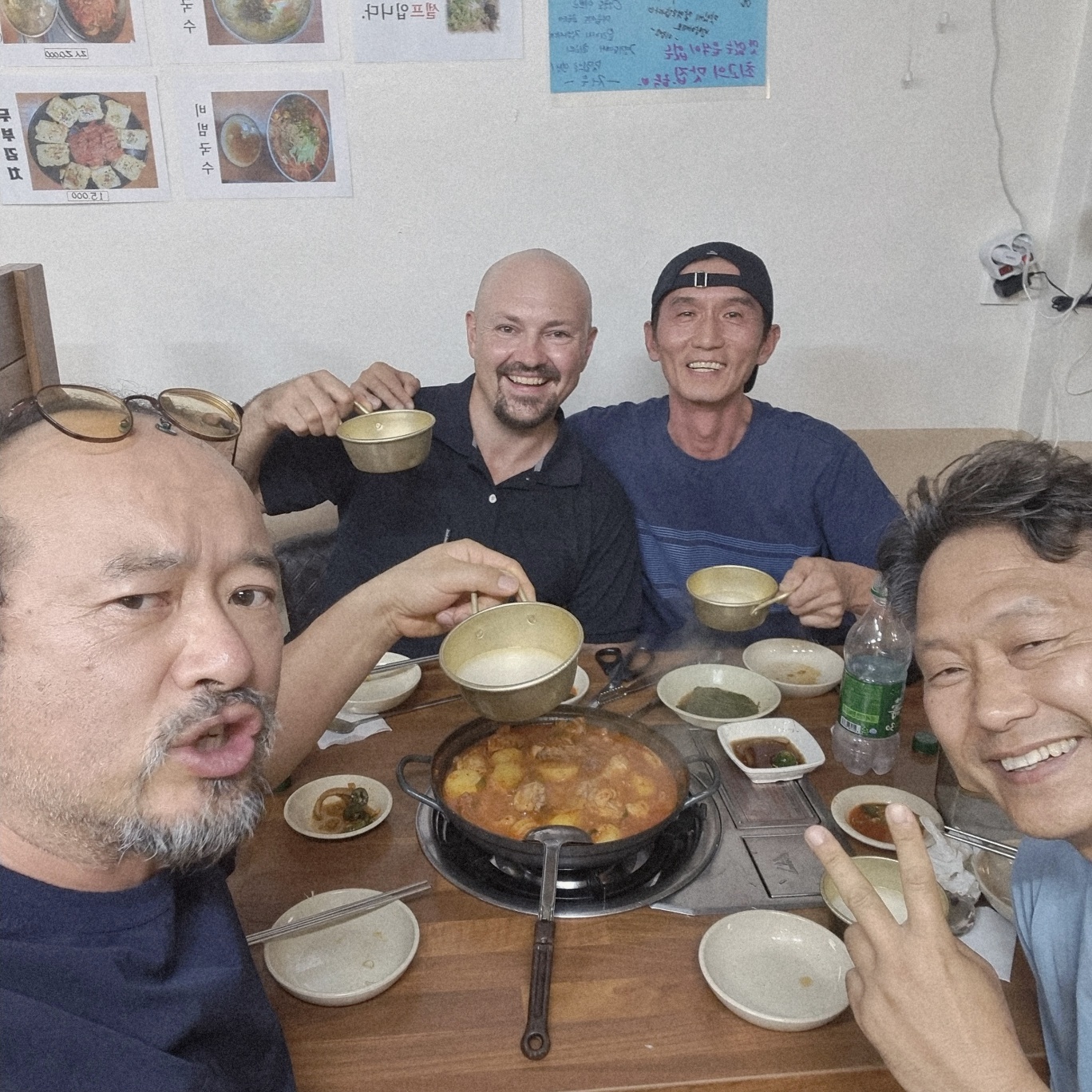
In Korea, vast fields of peppers make more sense after seeing how deeply gochugaru runs through Korean cuisine. Soybean fields make more sense when you see the jars of doenjang and ganjang made from them. In Japan, crops I might have treated as ordinary vegetables became tied to specific dishes, seasons, and ways of preserving food.
A crop plan is never only agronomy. It is also culture.
Work Gives Me a Role
There is a big difference between visiting someone and working beside them.
As a tourist, I’m mostly a customer. I arrive, consume something, pay, and leave.
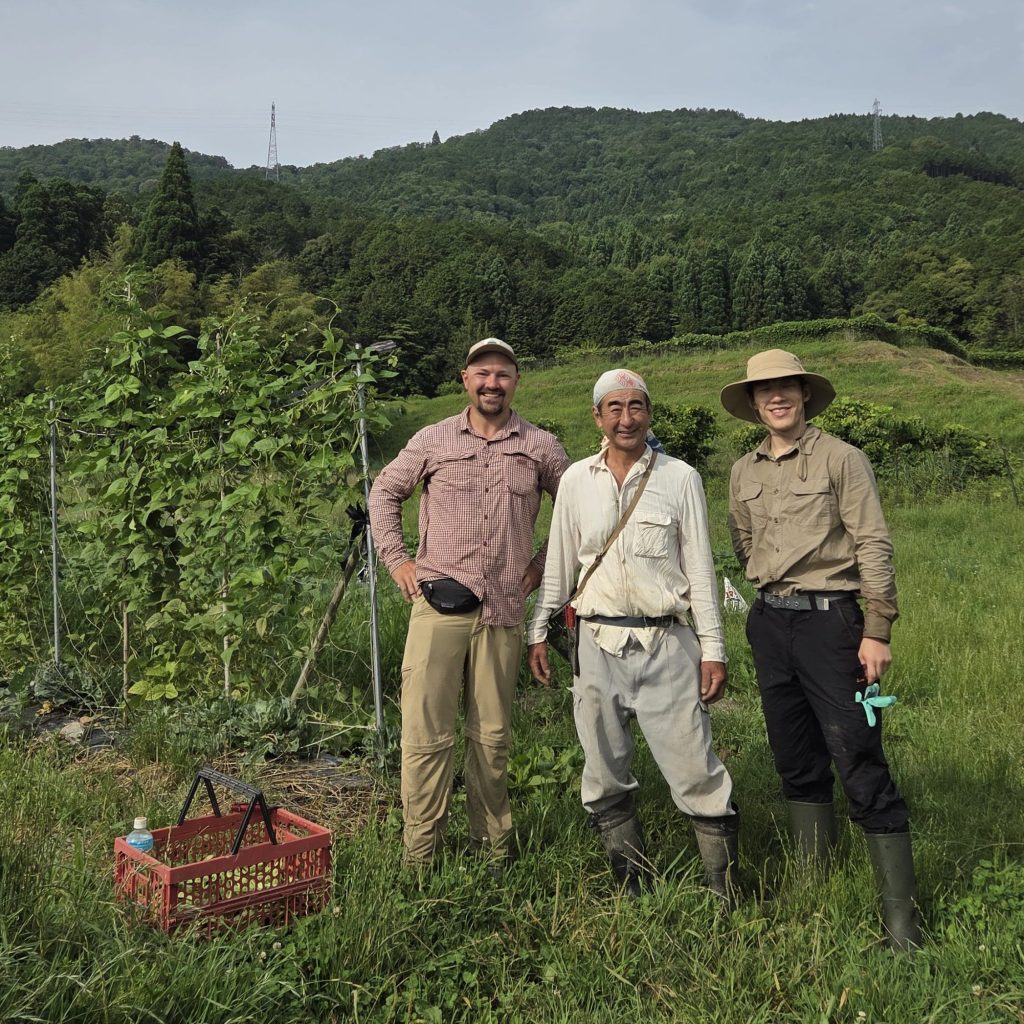
When I arrive at a farm to work, I’m still a guest, but I also have a role. I can harvest, weed, seed trays, pack produce, fix something, move materials, wash vegetables, or simply help finish whatever needs to be done that day.
Because I already have years of farming experience, I can usually become useful fairly quickly.
That changes the relationship.
Conversations happen naturally while working. People explain why they do things a certain way. They complain when something isn’t working. They joke, tell stories, and ask how I would do the same job back home. Sometimes I can offer something useful from my own experience in return.
After enough days of working and eating together, the relationship starts feeling different from simply being hosted somewhere.
You stop being only the foreigner passing through.
You become, at least temporarily, part of daily life.
And that is when a place starts opening up.
The Land Leads Somewhere Else
One of the things I value most about this way of traveling is how often the farm opens the door to everything around it.
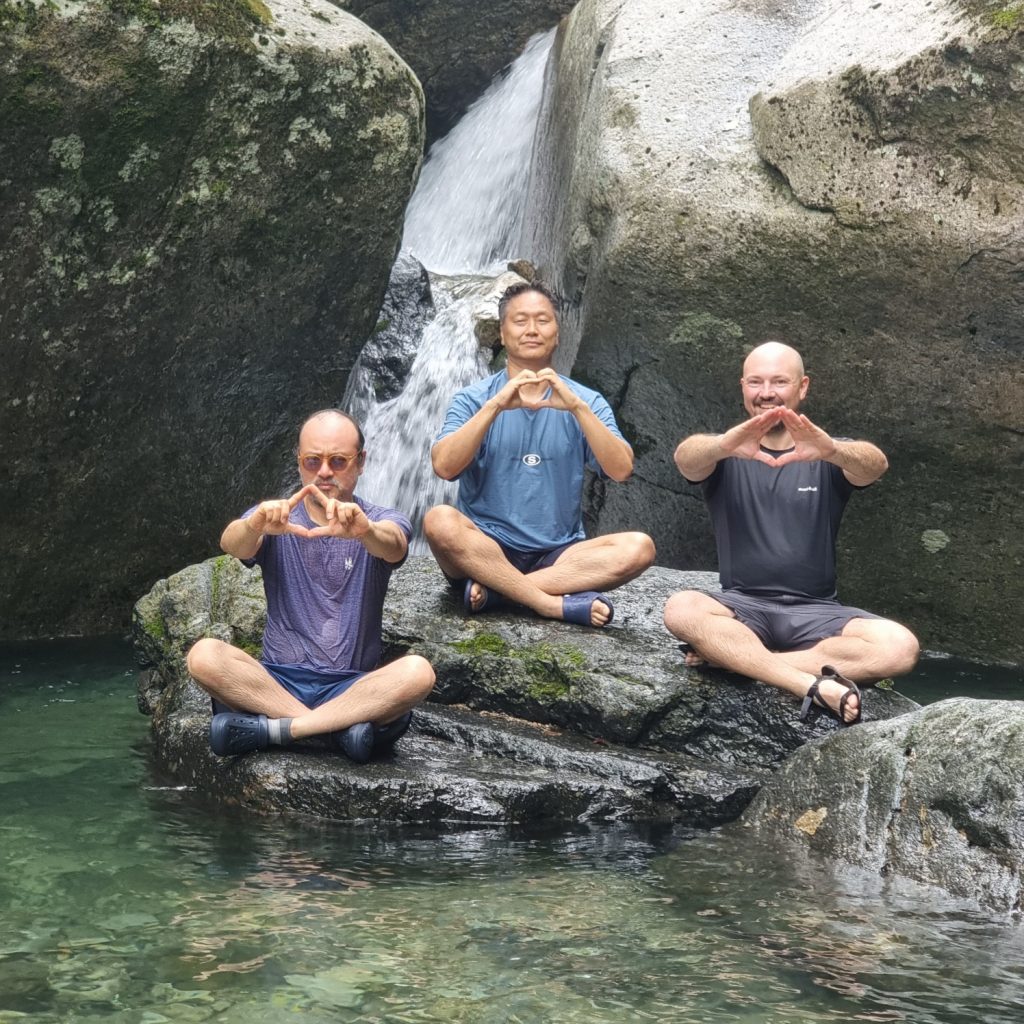
A host tells me which restaurant is actually worth eating at. Someone recommends a mountain or a stream. I’m invited to a family meal, a festival, a temple, a market, or a gathering with childhood friends. A place I never would have found in an English-language travel guide becomes one of the things I remember most.
Language works the same way. When you live and work with people, you hear the same expressions over and over—not just formal language, but instructions, jokes, complaints, filler words, family conversations, and local pronunciation.
In Japan, where I had already spent a lot of time studying Japanese, farm work gave the language context. Words stopped being vocabulary cards and became attached to tools, vegetables, meals, weather, mistakes, and people.
Even in places where I know much less of the language, being around ordinary conversation changes how I experience it. A host becomes an informal cultural interpreter. I can ask what something means, what I should eat, why people do something a certain way, or whether a place is actually worth visiting.
Google Maps has never told me, “My childhood friends are going to the stream this weekend. Come with us.”
And once those relationships start leading outward, the days can go in directions I never would have planned. Farm work has led to karate, mountain hikes, racetracks, night markets, streams, temples, and being naked in a hot spring with a bunch of Japanese uncles.
That unpredictability is part of the appeal. I don’t want every part of travel optimized in advance. Some of the experiences I remember most happened because I was already connected to someone who belonged there and was willing to say yes when the day went somewhere unexpected.
Land as a Doorway
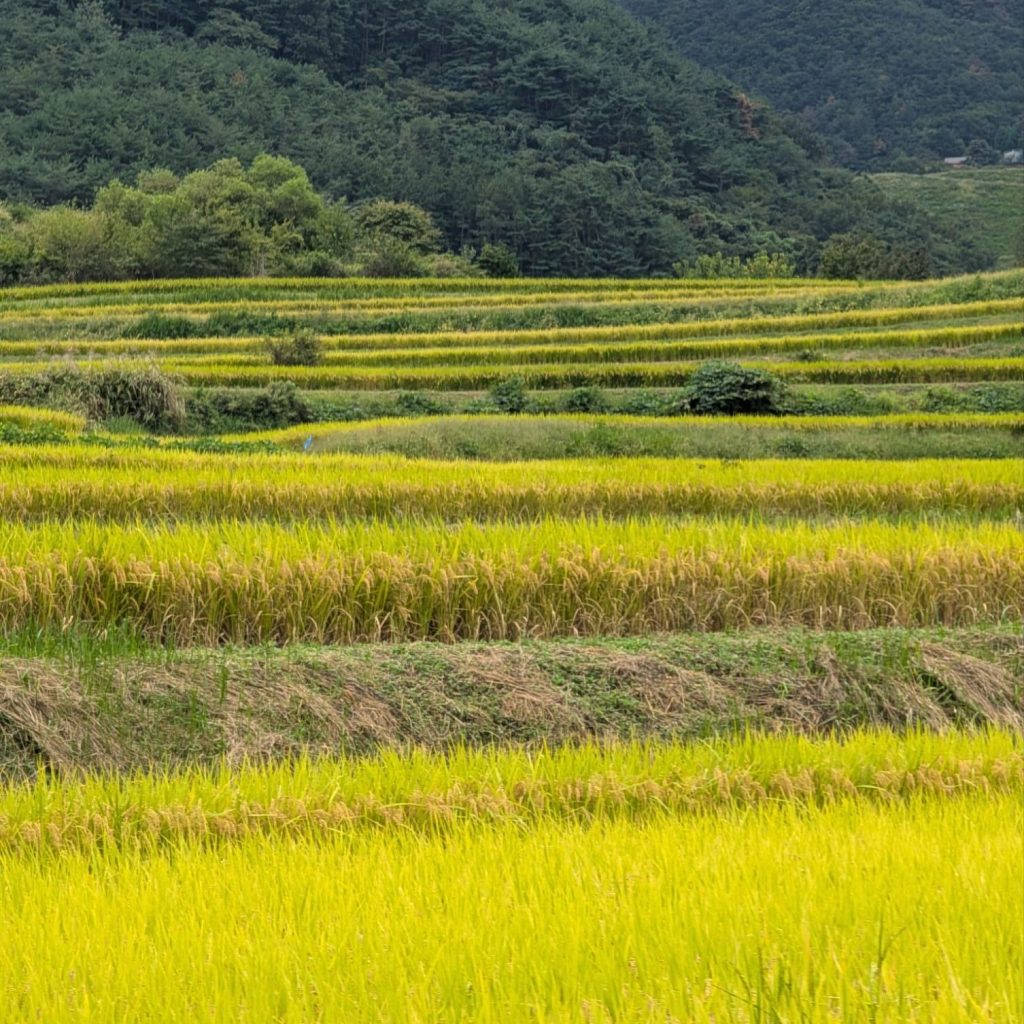
Agriculture gives me a way into places I probably would never understand as deeply from a hotel room. The work gives me a reason to stay, and farming gives me something in common with the people around me. From there come the meals, conversations, friendships, language, local knowledge, and strange adventures I never could have planned in advance.
Agriculture even provides a kind of common language when the spoken one fails. I may not know how to say very much, but I understand the urgency when rain is coming and something needs to be harvested. I understand a broken irrigation line, a weedy field, a heavy box, and the satisfaction of finishing a job before dinner.
I already knew how to farm before I started working on farms across Asia. What I didn’t know was where farming would take me.
The land is the doorway. What I’m really trying to understand is the life that opens up when I pass through it.